
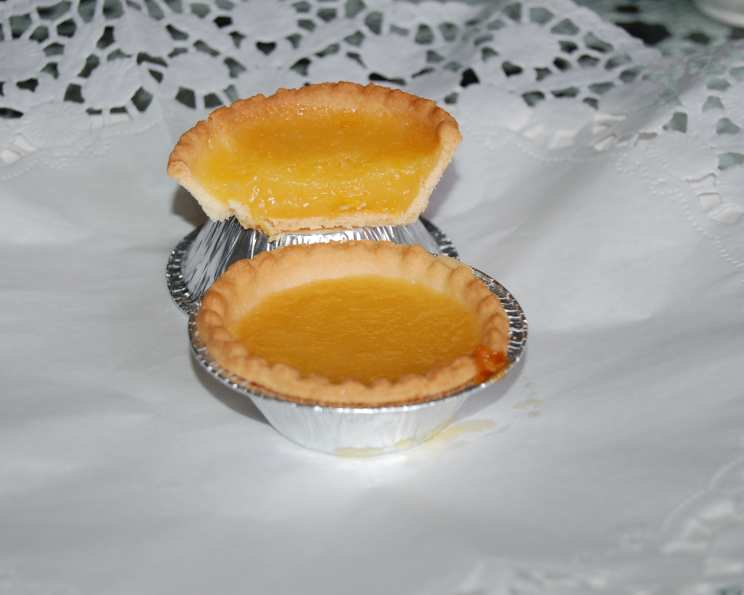
The Soul of a French Lemon Tart: A Treasured Filling Recipe
I remember the exact moment, a sun-drenched afternoon in my grandmother’s Provençal kitchen, when the intoxicating aroma of lemon and sugar first etched itself into my culinary memory. It wasn’t just the scent, but the sheer visual delight of a golden-hued tart, its surface shimmering like captured sunlight. My grandmother, a woman whose hands conjured magic from simple ingredients, would sometimes share glimpses into her pastry secrets, and this particular lemon filling was one she held particularly dear. It took me years, countless experiments, and a few disheartening attempts to find that precise balance, that clarity of flavor, and that velvety texture she so effortlessly achieved. This is that filling.
Recipe Overview
- Prep Time: 20 minutes (this includes zest and juice extraction)
- Cook Time: 10-15 minutes (for thickening the filling) + 5 minutes (for setting the tart)
- Total Time: 25-30 minutes
- Servings: 12 small tarts (based on standard tartlet size)
- Yield: Enough filling for approximately 12 small tarts or 1 standard 9-inch tart.
- Dietary Type: Vegetarian (can be adapted for vegan with egg substitutes, though flavor and texture will vary significantly)
Ingredients
To create this classic French lemon tart filling, you will need the following:
- 100 – 120 grams unsalted butter, melted
- 100 grams granulated sugar
- 2 large lemons, preferably unwaxed (for zesting and juicing). Crucially, avoid Meyer lemons as their flavor profile differs.
- 2 large eggs, at room temperature, with yolks and whites carefully separated
Equipment Needed
- Medium saucepan
- Whisk
- Citrus zester or fine grater
- Juicer (or your hands)
- Small bowls for separating eggs and holding ingredients
- Heatproof bowl (for potentially tempering, though not strictly necessary with this method)
- Spatula
- Pastry cases (pre-baked or ready to bake, thin to medium thickness, semi-sweet work best)
Instructions
This recipe is remarkably straightforward, relying on a simple heating and thickening process that yields a remarkably clear and intensely flavored lemon filling.
-
Prepare the Lemons: Begin by finely grating the zest from both of your lemons. Ensure you are only grating the colored outer layer, avoiding the bitter white pith. Set this fragrant zest aside. Next, juice the lemons. You should aim for a total of approximately 60-70 ml (around 4-5 tablespoons) of fresh lemon juice. Set the juice aside with the zest.
-
Combine Yolks and Sugar: In a medium bowl, whisk together the 2 egg yolks and the 100 grams of granulated sugar. Whisk vigorously until the mixture is pale yellow and slightly thickened. This helps to dissolve the sugar and creates a smooth base for the filling.
-
Incorporate Lemon Elements: Slowly drizzle in the reserved lemon juice into the egg yolk and sugar mixture, whisking continuously. Then, add the finely grated lemon zest. Stir everything together until well combined.
-
Add the Melted Butter: Next, slowly stream in the melted butter (100-120g) into the lemon and egg yolk mixture, whisking all the while. The butter will emulsify with the other ingredients, creating a richer base.
-
Thicken the Filling: Pour the entire mixture from the bowl into a medium-heated saucepan. This is where the magic happens. Stir the mixture constantly over medium heat. Do not let it boil. Continue to stir, ensuring you scrape the bottom and sides of the pan, until the mixture thickens to a creamy, custard-like texture. This typically takes about 5 to 10 minutes. The filling should coat the back of a spoon.
-
Fill Your Pastry Cases: Once thickened, remove the saucepan from the heat. You are now ready to fill your pre-baked or ready-to-bake pastry cases. Carefully spoon the warm lemon filling into the pastry shells, filling them almost to the brim.
-
Set the Tart:
- For pre-baked pastry cases: Place the filled tarts in a medium-heated oven (around 180°C / 350°F) for 5 minutes. This brief bake helps to slightly set the filling and bind it to the pastry case, preventing the filling from becoming too runny when served.
- If your pastry cases are not pre-cooked: You can still use this filling. However, the pastry will require a longer baking time, and you may need to adjust the temperature to prevent the filling from overcooking or curdling. The note in the original recipe suggests that this filling can be eaten if the casings are pre-cooked, implying that a short bake is primarily for the binding and setting effect.
A Note on the Egg Whites: The 2 egg whites from the separated eggs are not used in this primary filling recipe. They are set aside. However, they can be utilized for a beautiful meringue topping if desired. To do so, beat the egg whites until stiff peaks form. Gradually add a few tablespoons of sugar slowly, continuing to beat until you achieve a glossy, meringue consistency. You can then pipe decorative rings around the outside edge of the pastry shell or create small, appealing peaks over the top of the lemon filling. Be aware that adding meringue will require a slightly longer cooking time at a lower temperature in the oven to ensure the meringue cooks through without burning. This meringue addition is particularly successful when paired with homemade pastry cases, as they can often withstand slightly longer, gentler baking.
Expert Tips & Tricks
- Lemon Zest Quality is Key: For the most vibrant flavor, use fresh, unwaxed lemons. If you can only find waxed lemons, wash them thoroughly in warm, soapy water and rinse well before zesting.
- Gentle Heat, Constant Stirring: The secret to a smooth, creamy filling is patience. Overheating or allowing the mixture to boil can cause the eggs to scramble, resulting in a grainy texture. Keep the heat moderate and stir continuously.
- Testing for Thickness: The filling is ready when it coats the back of a spoon thickly. If you run your finger through it, the line should remain distinct.
- Achieving a Glossy Finish: The addition of melted butter at the end not only adds richness but also contributes to the glossy sheen of the finished filling.
- Pre-baking is Recommended: While not strictly mandatory for the filling itself, a pre-baked tart shell provides a sturdier base and prevents a soggy bottom, especially if you’re not adding meringue.
Serving & Storage Suggestions
This French lemon tart filling, once baked into its shell, is best served chilled or at room temperature.
- Serving: Dust lightly with powdered sugar, garnish with a sprig of fresh mint, or top with fresh berries for a burst of color and contrasting flavor. A dollop of lightly whipped cream or crème fraîche is also a delightful accompaniment.
- Storage: Leftover tart can be covered tightly with plastic wrap or stored in an airtight container. It will keep well in the refrigerator for up to 3 days. Avoid storing at room temperature for extended periods, as the dairy and egg components require refrigeration. It is not generally recommended for freezing, as the texture may degrade upon thawing.
Nutritional Information
Please note: This nutritional information is an estimation and will vary based on the specific ingredients and portion sizes used.
| Nutrient | Amount per Serving (approx. 1/12 of a standard tart) | % Daily Value |
|---|---|---|
| Calories | 220 kcal | 11% |
| Total Fat | 12 g | 15% |
| Saturated Fat | 7 g | 35% |
| Cholesterol | 55 mg | 18% |
| Sodium | 60 mg | 3% |
| Total Carbohydrate | 22 g | 8% |
| Dietary Fiber | 0.5 g | 2% |
| Sugars | 17 g | 34% |
| Protein | 2 g | 4% |
Variations & Substitutions
While this recipe is a classic for a reason, there are a few delightful ways to adapt it:
- Lime Tart: For a tangier, slightly more tropical twist, substitute the lemons with limes. The tartness profile is similar, but with a distinct citrus character.
- Orange & Lemon Blend: For a softer, sweeter citrus profile, use one lemon and one orange, zesting and juicing both. This will create a more nuanced, less bracingly tart filling.
- Herbal Infusion: Add a sprig of fresh rosemary or thyme to the filling while it’s heating. Remove the herb before filling the pastry cases. This adds an unexpected and sophisticated aromatic layer.
FAQs
Q: Why is it important not to use Meyer lemons for this recipe?
A: Meyer lemons have a different flavor profile, being less tart and often sweeter, with floral notes. This recipe relies on the bright, sharp acidity of traditional lemons to achieve its classic taste.
Q: Can I use pre-made lemon curd instead of making this filling from scratch?
A: While you can use pre-made lemon curd, it won’t achieve the same clarity and pure lemon flavor as this carefully cooked filling. This recipe’s method of thickening through gentle heating is key to its texture and taste.
Q: My filling is lumpy, what went wrong?
A: Lumps usually occur if the filling boils or is not stirred continuously. Ensure you maintain a medium heat and whisk constantly, scraping the bottom and sides of the saucepan.
Q: Can I add the egg whites to the filling if I don’t want to make meringue?
A: You can whisk stiffly beaten egg whites with a little sugar into the warm filling before placing it in the pastry cases. However, this will alter the texture, making it lighter and more mousse-like, and it will also change the clear, dense characteristic of the classic French filling.
Q: How long does the filling need to cook before it’s ready?
A: The filling needs to cook and thicken in the saucepan for about 5-10 minutes, until it coats the back of a spoon, before being spooned into the pastry cases.
Final Thoughts
There’s a profound satisfaction in mastering a simple yet perfect element of a beloved dessert. This French lemon tart filling is more than just a recipe; it’s a testament to the beauty of pure ingredients treated with care. It’s that moment of pure, unadulterated citrus joy that makes a dessert truly memorable. I encourage you to try this recipe, to experience that sunshine-in-a-tart quality for yourself. Serve it with a crisp glass of Sancerre or a delicate cup of Earl Grey tea, and savor every bright, tangy, and utterly delicious bite. Do share your experiences – the creations that emerge from your kitchens are always a source of inspiration.