
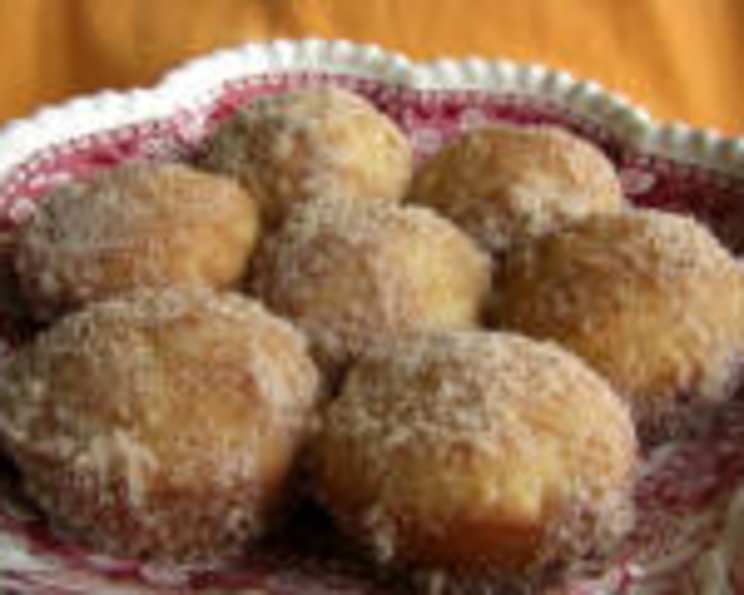
French Doughnut Muffins: A Golden Hug in Every Bite
There’s a certain magic to a recipe found tucked away in a forgotten collection, isn’t there? For me, it was a well-worn, hand-stapled booklet of community recipes, smelling faintly of vanilla and old paper. Among the familiar casserole dishes and simple cookie recipes, this one stood out: “French Doughnut Muffins.” The name itself conjured images of light, airy pastries, dusted with cinnamon sugar, a delightful hybrid of two beloved treats. I recall the first time I made them, the aroma wafting through my kitchen on a crisp autumn morning, promising pure, unadulterated comfort. They were everything I hoped for and more – tender, subtly sweet, and coated in that irresistible cinnamon-sugar glaze.
Recipe Overview
- Prep Time: 15 minutes
- Cook Time: 15 minutes
- Total Time: 30 minutes
- Servings: 12
- Yield: 12 muffins
- Dietary Type: Standard
Ingredients
Here’s what you’ll need to create these delightful French Doughnut Muffins:
- 1 large egg, beaten
- ½ cup 2% low-fat milk
- ⅓ cup margarine, melted
- 1 ½ cups unbleached flour, plus 2 tablespoons for coating
- ¾ cup sugar
- 2 teaspoons baking powder
- ¼ teaspoon salt
- ¼ teaspoon nutmeg
- ⅓ cup margarine, melted (for dipping)
- ½ cup sugar (for cinnamon-sugar coating)
- 1 teaspoon cinnamon (for cinnamon-sugar coating)
- ½ teaspoon vanilla extract (for cinnamon-sugar coating)
Equipment Needed
- Muffin tin
- Muffin liners or cooking spray
- Small bowls (for wet ingredients, dry ingredients, and cinnamon-sugar mixture)
- Whisk
- Measuring cups and spoons
- Pastry brush (optional, for greasing tin)
- Wire cooling rack
Instructions
Let’s embark on the delightful journey of crafting these French Doughnut Muffins. The process is straightforward and rewarding, leading you to a tray of golden perfection.
- Begin by preheating your oven to a robust 400°F (200°C). This high temperature is key to achieving that wonderful rise and golden crust characteristic of these muffins.
- Lightly spray your muffin tin with cooking spray, or if you prefer, line each cup with muffin liners. This ensures easy removal and prevents sticking.
- In a medium-sized bowl, combine the wet ingredients. Beat the large egg until it’s lightly frothy. Then, whisk in the ½ cup of 2% low-fat milk and the ⅓ cup of melted margarine.
- In a separate, larger bowl, combine the dry ingredients. Whisk together the 1 ½ cups of unbleached flour, ¾ cup of sugar, 2 teaspoons of baking powder, ¼ teaspoon of salt, and ¼ teaspoon of nutmeg. Ensure these are well blended to distribute the leavening and seasoning evenly.
- Now, gently blend the wet ingredients into the dry ingredients. You can do this by making a well in the center of your dry ingredients and pouring in the wet mixture, then stirring just until everything is barely combined. Be careful not to overmix; a few small lumps are perfectly fine and will contribute to a tender crumb. Overmixing can lead to tough muffins.
- Carefully fill your prepared muffin tins about ½ full with the batter. This allows ample room for the muffins to rise beautifully in the oven.
- Bake for approximately 15 minutes, or until the muffins are a lovely golden brown and a toothpick inserted into the center comes out clean. Keep a close eye on them, as oven temperatures can vary.
- As soon as the muffins are out of the oven, it’s time for their transformation. Immediately remove the muffins from the pan. This prevents them from continuing to cook in the hot tin.
- In a shallow bowl, pour the remaining ⅓ cup of melted margarine.
- In another shallow bowl, combine the ½ cup of sugar, 1 teaspoon of cinnamon, and ½ teaspoon of vanilla extract. Stir this mixture until it’s well incorporated, creating a fragrant and inviting coating.
- With care, dip each hot muffin into the melted margarine, ensuring it’s coated on all sides.
- Then, roll the margarine-coated muffin in the cinnamon-sugar mixture, pressing gently so the coating adheres.
- Serve these delightful French Doughnut Muffins warm. Their texture and flavor are at their absolute peak when enjoyed fresh from their cinnamon-sugar bath.
Expert Tips & Tricks
To elevate your French Doughnut Muffins from delicious to truly exceptional, consider these seasoned chef’s insights:
- Flour Power: For an even lighter texture, you can sift your unbleached flour before measuring. Also, the extra 2 tablespoons of flour are specifically for coating the muffins after their dip in margarine. This helps the cinnamon sugar adhere beautifully without clumping.
- Melted Margarine Consistency: Ensure your margarine for both the batter and the dipping is fully melted but not hot. If it’s too hot, it can curdle the egg or prematurely cook the flour.
- The Dip and Roll Dance: Timing is crucial here. The muffins need to be hot enough for the margarine to adhere well, but not so hot that they fall apart. Work quickly but gently. If a muffin crumbles slightly, don’t fret; the cinnamon-sugar will work its magic to hold it together.
- Cinnamon-Sugar Blend: For an extra burst of flavor, you can toast your cinnamon briefly in a dry skillet before adding it to the sugar. This awakens its aromatic compounds.
- Serving Warmth is Key: While these muffins are still enjoyable at room temperature, their true magic unfolds when they are warm. The melted margarine coating creates a slightly sticky surface that the cinnamon sugar clings to, and the interior is at its most tender.
Serving & Storage Suggestions
These French Doughnut Muffins are best served warm, immediately after they’ve been coated in the cinnamon-sugar mixture. They are a perfect accompaniment to your morning coffee, a delightful afternoon tea treat, or even a light dessert.
For storage, if there happen to be any leftovers (which is unlikely!), allow them to cool completely before storing them in an airtight container at room temperature. They will maintain their best texture for about 1 to 2 days. Beyond that, the coating may become slightly less crisp. For longer storage, you can freeze them in a single layer on a baking sheet until firm, then transfer them to a freezer-safe bag or container for up to 2 weeks. Reheat gently in a warm oven or toaster oven to refresh their texture.
Nutritional Information
Here’s an approximate breakdown of the nutritional content for these delectable French Doughnut Muffins:
| Nutrient | Amount per Serving | % Daily Value |
|---|---|---|
| Calories | 245 kcal | 12% |
| Total Fat | 11 g | 14% |
| Saturated Fat | 2 g | 10% |
| Cholesterol | 18 mg | 6% |
| Sodium | 237 mg | 10% |
| Total Carbohydrate | 35 g | 13% |
| Dietary Fiber | 0.6 g | 2% |
| Total Sugars | 21 g | 42% |
| Protein | 3 g | 6% |
(Note: Nutritional information is an estimate and can vary based on specific ingredients and brands used.)
Variations & Substitutions
While the classic French Doughnut Muffin is a triumph on its own, feel free to explore these delightful variations:
- Spice It Up: Add a pinch of ground ginger or cardamom to the dry ingredients for a more complex spice profile.
- Citrus Zest: Incorporate the zest of one lemon or orange into the batter for a bright, zesty note.
- Nutty Delight: Fold in ¼ cup of finely chopped nuts, such as walnuts or pecans, into the batter for added texture and flavor.
- Glazed Glory: Instead of the cinnamon sugar, create a simple powdered sugar glaze by whisking powdered sugar with a touch of milk or lemon juice. Dip the warm muffins into this glaze for a different sweet finish.
FAQs
Q: Why are these muffins called “French Doughnut Muffins”?
A: They are inspired by the beloved French cruller doughnut, known for its delicate texture and crisp, glazed exterior, combined with the easy, home-baked nature of a muffin.
Q: Can I use butter instead of margarine?
A: Yes, absolutely! You can substitute unsalted butter for the margarine in both the batter and for dipping. It will likely yield an even richer flavor.
Q: Why is the oven temperature so high for these muffins?
A: The high temperature of 400°F (200°C) promotes a quick rise and a lovely golden-brown crust, mimicking the effect of frying doughnuts.
Q: My muffins don’t look perfectly round after dipping and rolling, is that okay?
A: Perfectly! The rustic charm is part of their appeal. Don’t worry if they’re not perfectly shaped; the flavor and texture are what truly matter.
Q: How soon after baking should I dip and roll the muffins?
A: It’s best to do this immediately after removing them from the oven while they are still hot. This allows the coating to adhere properly.
A Sweet Embrace
There’s a profound joy in creating something that brings simple, unadulterated happiness. These French Doughnut Muffins are more than just a baked good; they are a little moment of edible sunshine, a warm embrace for your taste buds. I encourage you to try this recipe, to fill your home with its comforting aroma, and to share these delightful treats with loved ones. Perhaps with a steaming mug of coffee or a delicate cup of tea, they become an even more cherished experience. May each bite be a sweet reminder of the simple pleasures in life.