
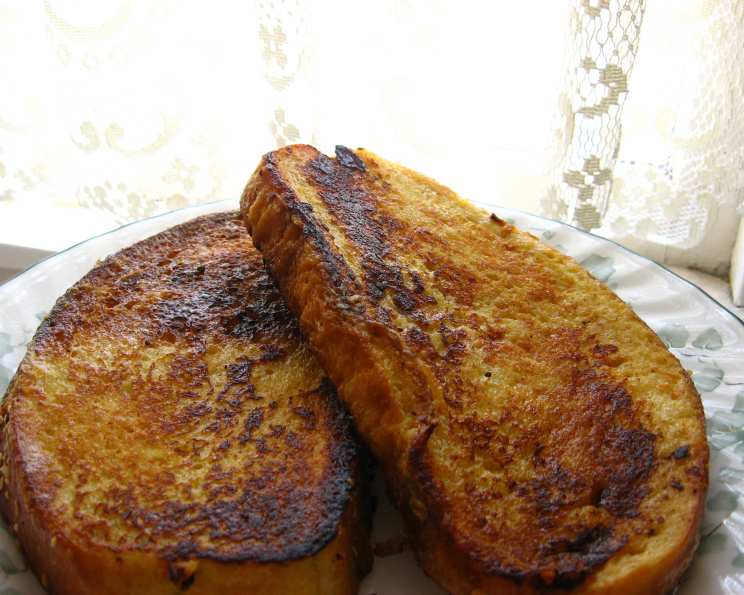
The Quintessential French Toast: A Hug on a Plate
I remember my grandmother’s kitchen, a symphony of early morning light and the intoxicating aroma of cinnamon. It was a place where time seemed to slow, especially on weekend mornings when she’d pull out her trusty cast-iron skillet and a loaf of slightly stale challah. The magic she created wasn’t just about food; it was about comfort, tradition, and the sheer joy of starting the day with something utterly delicious. That first bite of her French toast, the crisp exterior giving way to a custardy, eggy interior, was pure bliss. It’s a taste that has stayed with me, a benchmark for all French toast that has followed, a reminder of simple pleasures and enduring love.
Recipe Overview
- Prep Time: 15 minutes
- Cook Time: 30 minutes
- Total Time: 45 minutes
- Servings: 5
- Yield: Approximately 10-12 slices
- Dietary Type: Vegetarian
Ingredients
The beauty of classic French toast lies in its simplicity, using everyday ingredients to create something extraordinary. For this beloved breakfast staple, you’ll need:
- 1 loaf bread, unsliced. A slightly day-old or stale loaf is ideal as it absorbs the custard better without becoming soggy. Challah, brioche, or a good quality white bread work wonderfully.
- 6 large eggs. These form the rich custard base that coats the bread.
- 2 ¼ cups milk. Whole milk will yield the richest flavor, but 2% or even skim milk can be used.
- ¼ cup sugar. This adds a touch of sweetness and helps with caramelization on the griddle.
- 1 teaspoon rum extract. This is my grandmother’s secret weapon, adding a subtle depth and warmth that elevates the French toast beyond the ordinary. Vanilla extract can be used as a substitute, but the rum extract offers a unique nuance.
- ¼ teaspoon nutmeg. Freshly grated nutmeg is always preferred for its vibrant aroma and flavor.
- Confectioners’ sugar, to taste, for dusting.
Equipment Needed
To achieve that perfect golden-brown exterior and tender interior, you’ll want a few key pieces of equipment:
- A large, shallow dish or baking pan for the egg mixture.
- A whisk or electric mixer for thoroughly combining the custard ingredients.
- A large non-stick skillet or griddle.
- A spatula for flipping.
- A wire cooling rack for holding cooked slices.
Instructions
Bringing this classic French toast to life is a straightforward process, yielding wonderfully satisfying results.
-
Prepare the Custard Base: In a large bowl or shallow dish, combine the 6 large eggs, 2 ¼ cups milk, ¼ cup sugar, 1 teaspoon rum extract, and ¼ teaspoon nutmeg. Whisk these ingredients together vigorously until they are thoroughly combined and frothy. A mixer can be used here if you prefer a very smooth, emulsified mixture. The goal is to break up the egg yolks and whites completely and integrate them with the liquid ingredients.
-
Slice the Bread: Take your loaf of bread and slice it into thick, generous slices. Aim for slices that are about ¾ to 1 inch thick. This thickness is crucial for allowing the bread to soak up the custard without falling apart, and for developing a beautifully tender center.
-
Dip and Coat the Bread: Working with one slice at a time, thoroughly dip each slice into the prepared egg mixture. Ensure the bread is completely coated, allowing it to soak for a moment on each side. Don’t let it sit too long, especially if your bread is very fresh, to prevent it from becoming waterlogged. The goal is for the bread to absorb the custard without becoming mushy.
-
Griddle the French Toast: Spray a griddle with butter spray or lightly grease it with butter or oil over medium heat. Once the griddle is hot, carefully place the coated bread slices onto the hot surface. Brown on both sides. Cook for approximately 3-5 minutes per side, or until each side is a beautiful golden brown and the custard has set. Adjust the heat as needed to prevent burning. You’re looking for a lovely caramelized exterior that contrasts with the soft interior.
-
Serve and Garnish: As the French toast slices are cooked, transfer them to a plate or a wire cooling rack. Sprinkle with confectioners’ sugar generously, dusting it over the warm slices just before serving. This adds a final touch of sweetness and visual appeal.
A Note on Using Commercial Eggnog: If you find yourself short on time or ingredients, my grandmother had a clever shortcut: you can use commercial eggnog and add extra nutmeg. This provides a pre-made, rich custard base. Simply use the eggnog in place of the eggs and milk, adding a touch more nutmeg for that characteristic spiced flavor.
Expert Tips & Tricks
- The Stale Bread Advantage: Using bread that is at least a day old is key. Fresher bread can become too soft and fall apart in the custard. If your bread is fresh, you can lightly toast it in the oven for about 10-15 minutes at 300°F (150°C) to dry it out slightly.
- Custard Consistency: Ensure your custard is well-whisked. Undermixed eggs can lead to streaks of raw egg white in your cooked French toast, which is less appealing.
- Don’t Overcrowd the Pan: Cook the French toast in batches. Overcrowding the griddle will lower the temperature and result in uneven cooking and less browning.
- Medium Heat is Your Friend: Resist the urge to cook on high heat. Medium heat allows the custard to cook through and the bread to achieve a beautiful golden crust without burning.
- The Rum Extract Nuance: Don’t skip the rum extract if you can help it! It truly adds a sophisticated layer of flavor that sets this French toast apart. A good quality vanilla extract can be used if rum extract is unavailable, but it will be a slightly different flavor profile.
Serving & Storage Suggestions
French toast is best served immediately after cooking, while it’s warm and the edges are slightly crisp. A generous dusting of confectioners’ sugar is traditional and offers a beautiful visual contrast. For an even more decadent experience, serve with a drizzle of maple syrup, a dollop of whipped cream, fresh berries, or a sprinkle of toasted nuts.
Leftovers can be stored in an airtight container in the refrigerator for up to 2 days. To reheat, place the French toast slices on a baking sheet in a preheated oven at 350°F (175°C) for about 5-10 minutes, or until heated through. You can also reheat them in a toaster oven or a skillet over medium-low heat. Avoid microwaving, as it can make the French toast soggy.
Nutritional Information
Here’s an approximate nutritional breakdown for a serving of this classic French toast. Please note that these values are estimates and can vary based on the specific type of bread used and the amount of confectioners’ sugar.
| Nutrient | Amount per Serving | % Daily Value |
|---|---|---|
| Calories | 413 kcal | |
| Calories from Fat | 113 g | |
| Total Fat | 12.7 g | 19% |
| Saturated Fat | 5 g | 24% |
| Cholesterol | 269.2 mg | 89% |
| Sodium | 682.7 mg | 28% |
| Total Carbohydrate | 56.2 g | 18% |
| Dietary Fiber | 1.9 g | 7% |
| Sugars | 14 g | 56% |
| Protein | 17.3 g | 34% |
Variations & Substitutions
While the classic recipe is divine, there’s always room for personalization!
- For a Richer Custard: Replace some of the milk with heavy cream or half-and-half.
- Spice it Up: Add a pinch of ground cinnamon or cardamom to the egg mixture for an extra layer of warmth.
- Citrus Zest: The zest of one lemon or orange can add a bright, refreshing note to the custard.
- Gluten-Free Option: Use your favorite gluten-free bread. Ensure it’s a sturdy loaf that can hold up to dipping.
- Dairy-Free Alternative: Substitute the milk with unsweetened almond milk, soy milk, or oat milk. For the griddle, use a neutral oil like vegetable or canola oil instead of butter spray.
FAQs (Frequently Asked Questions)
Q: Why is my French toast soggy in the middle?
A: This usually happens when the bread is too fresh and hasn’t had a chance to dry out, or if it wasn’t dipped long enough to absorb the custard, or if the griddle wasn’t hot enough. Using slightly stale bread and cooking on medium heat helps prevent this.
Q: Can I use any type of bread?
A: While most breads work, denser, slightly richer breads like challah or brioche are ideal. Avoid very soft, airy breads that can disintegrate easily.
Q: How do I prevent my French toast from sticking to the griddle?
A: Ensure your griddle is properly preheated and adequately greased with butter spray, butter, or oil. A well-seasoned non-stick skillet is also a great asset.
Q: Can I make the custard ahead of time?
A: Yes, you can prepare the custard mixture and store it in an airtight container in the refrigerator for up to 24 hours. Just give it a good whisk again before dipping the bread.
Q: My French toast is browning too quickly on the outside but is still raw inside. What am I doing wrong?
A: This is a classic sign that your heat is too high. Reduce the heat to medium or medium-low. This allows the interior to cook through gently while the exterior develops a beautiful golden-brown color.
This classic French toast recipe is more than just a breakfast dish; it’s an experience. It’s a warm embrace on a chilly morning, a delightful indulgence that transports you to a place of comfort and simple pleasures. The golden-brown exterior, yielding to a tender, custardy interior, is a testament to the power of simple, quality ingredients treated with care. Serve it with your favorite toppings and watch as smiles light up the table. It pairs beautifully with a strong cup of coffee or a refreshing glass of freshly squeezed orange juice, creating a perfect start to any day. Enjoy this timeless classic!