
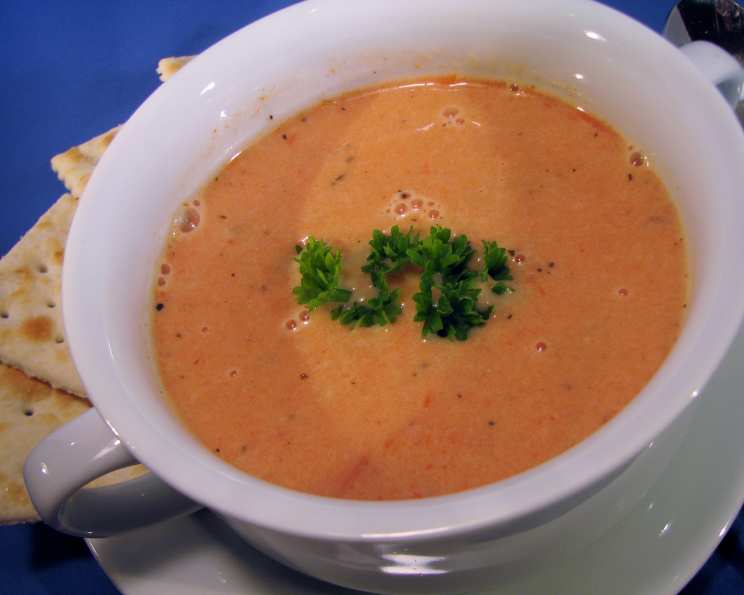
The Timeless Comfort of Fresh Cream of Tomato Soup
There are certain dishes that, to me, are more than just food; they are edible memories. The aroma of simmering tomatoes, mingled with fragrant herbs and the promise of creamy richness, instantly transports me back to my grandmother’s kitchen. It was a place of warmth, where the simplest ingredients were transformed into feasts that nourished not just the body, but the soul. This fresh cream of tomato soup, in particular, holds a special place. It’s a testament to how a few humble components, treated with care and respect, can create a symphony of flavor. On a chilly afternoon, the sight of this vibrant, velvety soup being ladled into bowls felt like a warm embrace, a culinary hug that chased away any lingering cold.
Recipe Overview
- Prep Time: 10 minutes
- Cook Time: 15 minutes
- Total Time: 25 minutes
- Servings: 4
- Yield: Approximately 6 cups
- Dietary Type: Can be adapted for dairy-free or vegan diets
Ingredients
This recipe celebrates the pure, unadulterated flavor of ripe tomatoes, elevated by a few key aromatics and a touch of creaminess.
- 4 teaspoons olive oil
- 2 onions, finely chopped
- 4 large, ripe tomatoes, peeled and coarsely chopped
- 1 cup vegetable broth
- 3 cloves garlic, minced
- 1 teaspoon dried thyme
- 1 teaspoon dried basil
- 3 cups nonfat milk
- 1/4 cup tomato paste
- 1 teaspoon salt, or to taste
- Freshly ground black pepper, to taste
Equipment Needed
- A large, heavy-bottomed saucepan or Dutch oven
- A sharp knife and cutting board
- Measuring cups and spoons
- A small bowl for whisking
- A blender (immersion blender or standard countertop blender)
- A whisk
Instructions
Creating this comforting bowl of soup is a straightforward process, requiring minimal fuss for maximum reward. The key is to allow the ingredients to meld and deepen in flavor.
- Begin by heating the olive oil in a large, nonstick saucepan or Dutch oven over medium heat. This gentle warming ensures the vegetables soften beautifully without scorching.
- Add the finely chopped onions to the heated oil. Cook, stirring occasionally, until they become translucent and softened. This typically takes about 5 minutes, allowing their natural sweetness to emerge.
- Next, stir in the coarsely chopped, peeled tomatoes. Follow this with the vegetable broth, minced garlic, dried thyme, and dried basil. If you’re opting for fresh herbs, you’d add them towards the end of cooking for a brighter flavor, but for this recipe, dried herbs infuse beautifully during the simmer.
- Bring the mixture to a gentle simmer, then cover the saucepan. Allow it to cook until the tomatoes and onions are tender, which usually takes about 5 minutes. This short simmer helps to break down the vegetables and meld their flavors.
- Once the vegetables are tender, carefully remove the saucepan from the heat. Let the mixture cool slightly before transferring it to a blender. Important: If using a standard countertop blender, fill it only about halfway and vent the lid to allow steam to escape, preventing pressure buildup. Blend until the soup is smooth and velvety. Alternatively, an immersion blender can be used directly in the saucepan for a quicker cleanup.
- Return the pureed soup mixture to the saucepan. In a separate small bowl, whisk together the nonfat milk and tomato paste until thoroughly combined and smooth. This step ensures the tomato paste disperses evenly, adding depth and color without lumps.
- Stir the milk and tomato paste mixture into the soup in the saucepan.
- Add the salt and freshly ground black pepper to taste. Remember, you can always add more salt, but you can’t take it away, so start with a teaspoon and adjust as needed.
- Continue to cook the soup over low heat, stirring occasionally, until it is just heated through. Crucially, do not allow the soup to boil, as this can cause the milk to curdle and alter the texture. The goal is a gentle warmth that enhances the creamy consistency.
Expert Tips & Tricks
- Tomato Selection is Key: For the most vibrant and flavorful soup, choose ripe, in-season tomatoes. If fresh, peak-season tomatoes aren’t available, good quality canned whole peeled tomatoes (San Marzano are excellent) can be used as a substitute. Drain them well before chopping.
- Achieving Silky Smoothness: For an ultra-smooth texture, consider passing the pureed soup through a fine-mesh sieve after blending, especially if you’re concerned about any lingering skins or seeds from the tomatoes.
- Herb Infusion: While dried herbs are specified for convenience and a consistent flavor profile, consider adding a few sprigs of fresh basil and thyme during the initial simmer, then removing them before blending for a more nuanced herbaceousness.
- The Magic of Tomato Paste: Don’t skip the tomato paste! It concentrates the tomato flavor, adding richness and a beautiful deep red hue to the soup. Ensure it’s fully incorporated to avoid any raw paste taste.
- Milk Management: If you’re worried about the milk curdling, you can temper it by slowly whisking a small amount of the hot soup into the milk and tomato paste mixture before adding it all back into the main pot.
Serving & Storage Suggestions
This fresh cream of tomato soup is a versatile dish that shines as a starter or a light meal. Serve it piping hot, garnished with a swirl of extra cream (dairy or non-dairy), a sprinkle of fresh basil leaves, or a few crunchy croutons. A grilled cheese sandwich is, of course, the classic accompaniment, creating a delightful textural contrast and a nostalgic pairing.
Leftovers can be stored in an airtight container in the refrigerator for up to 3 days. When reheating, use a low to medium-low heat, stirring gently to prevent scorching. Avoid bringing it to a rolling boil. If the soup has thickened considerably upon chilling, you can thin it out with a little extra broth or milk during reheating. This soup does not freeze particularly well due to the dairy content, which can separate upon thawing, so it’s best enjoyed fresh or refrigerated.
Nutritional Information
| Nutrient | Amount per Serving | % Daily Value |
|---|---|---|
| Calories | 175.2 kcal | (Approximate) |
| Calories from Fat | 5.2 g | 7% |
| Saturated Fat | 0.8 g | 4% |
| Cholesterol | 3.7 mg | 1% |
| Sodium | 800 mg | 33% |
| Total Carbohydrate | 25.5 g | 8% |
| Dietary Fiber | 4 g | 16% |
| Sugars | 18.5 g | 74% |
| Protein | 9.3 g | 18% |
Nutritional values are estimates and can vary based on specific ingredients and brands used.
Variations & Substitutions
- Dairy-Free/Vegan Creaminess: For a completely vegan or dairy-free version, substitute the nonfat milk with an unsweetened, plain non-dairy milk such as almond milk, soy milk, or oat milk. For added richness, consider using canned full-fat coconut milk (the thick cream from the top).
- Spicy Kick: Add a pinch of red pepper flakes along with the dried herbs for a subtle warmth, or a dash of hot sauce at the end of cooking.
- Herb Garden Freshness: If you have access to fresh herbs, use about 2 tablespoons of chopped fresh basil and 1 tablespoon of chopped fresh thyme, adding them during the last 5 minutes of the initial simmer.
- Roasting for Deeper Flavor: For an even more intense tomato flavor, you can roast the tomatoes and onions before simmering. Toss them with a little olive oil, salt, and pepper, and roast at 400°F (200°C) until softened and slightly caramelized.
FAQs (Frequently Asked Questions)
Q: Why do my tomatoes need to be peeled for this soup?
A: Peeling the tomatoes ensures a smoother, more velvety soup texture, as the skins can sometimes feel tough or fibrous.
Q: Can I use canned tomatoes instead of fresh?
A: Yes, you can certainly use canned whole peeled tomatoes. Drain them well before chopping and using them in the recipe.
Q: My soup looks a bit too thin, how can I thicken it?
A: While this recipe is designed to be creamy, if yours is too thin, you can create a slurry by whisking together 1 tablespoon of cornstarch with 2 tablespoons of cold water and stirring it into the simmering soup until thickened. Alternatively, you can simmer the soup uncovered for a few extra minutes to allow some of the liquid to evaporate.
Q: Is it safe to blend hot soup in a standard blender?
A: It is safe, but you must take precautions. Fill the blender only halfway, remove the small center cap from the lid, and cover the opening with a folded kitchen towel. This allows steam to escape, preventing pressure buildup and potential explosions.
Q: How can I make this soup taste richer without adding more fat?
A: The tomato paste contributes significantly to richness. Ensure your tomatoes are ripe and flavorful, and consider adding a splash of balsamic vinegar at the end of cooking for a touch of acidity and complexity that enhances the overall depth of flavor.
Final Thoughts
There’s an inherent joy in crafting a dish that feels both elegant and profoundly comforting. This Fresh Cream of Tomato Soup is precisely that. It’s a reminder that some of the most satisfying culinary experiences come from mastering the fundamentals and letting high-quality ingredients speak for themselves. I encourage you to gather your ingredients, embrace the simplicity of the steps, and savor the process. The resulting bowl of vibrant, creamy soup is not just a meal; it’s an invitation to slow down, to connect with the flavors, and to create your own cherished food memories. I’d love to hear how this recipe turns out for you, and perhaps what delightful garnishes you choose to crown your creation!