
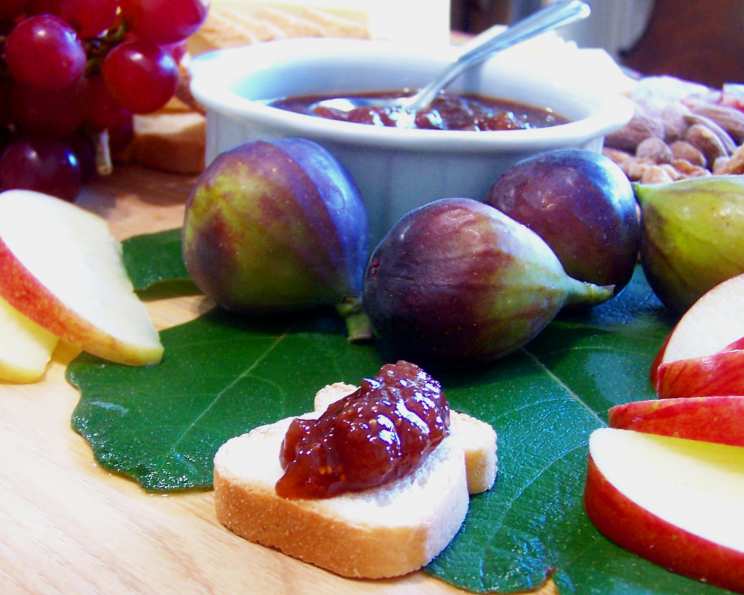
Fresh Fig and Ginger Chutney from the Auberge
There are certain ingredients that, for me, are intrinsically linked to specific places and seasons. Figs, when perfectly ripe, possess an almost ethereal sweetness, a honeyed perfume that speaks of sun-drenched afternoons. When my own two fig trees bless me with their bounty, I’m faced with a delightful dilemma: how to preserve that fleeting perfection. I’ve jam-packed them, preserved them in fine liqueurs, and enjoyed them simply plucked and eaten fresh, but this fig and ginger chutney, a treasured recipe from my time at the Auberge, holds a special place in my heart. It’s a vibrant symphony of sweet, spice, and tang that captures the very essence of late summer.
Recipe Overview
- Prep Time: 30 minutes
- Cook Time: 2 hours (approximately, may vary)
- Total Time: 2 hours 30 minutes (approximately)
- Servings: Approximately 6
- Yield: 5 x 350g Jars
- Dietary Type: Vegetarian (Can be Vegan depending on sugar choice)
Ingredients
This chutney is a celebration of contrasting textures and harmonizing flavors. The plump sweetness of fresh figs meets the subtle chew of dried figs, all brightened by the sharpness of red onions and Bramley apples. A generous hand with fresh ginger provides a warming kick, while classic spices and lemon zest weave an intricate tapestry of aroma.
- 850 g fresh figs, chopped
- 400 g dried figs, chopped
- 3 large red onions, finely chopped
- 3 medium Bramley apples, peeled, cored, and chopped
- 40 g fresh gingerroot, cut into fine matchsticks
- 2 teaspoons ground allspice
- 1 pinch dried chili pepper flakes
- 2 teaspoons finely grated lemon zest
- 700 g demerara sugar
- 2 teaspoons salt
- 800 ml red wine vinegar
- 2 teaspoons freshly ground black pepper
Equipment Needed
- A large, heavy-bottomed saucepan or preserving pan
- Sterilised jars with lids
- A ladle
- A wooden spoon or heatproof spatula
Instructions
Crafting this chutney is a rewarding process, a patient simmer that transforms humble ingredients into a jewel-toned condiment. The key is to allow the flavors to meld and deepen over time, coaxing out the best from each component.
- Begin by preparing all your ingredients. Chop the fresh figs and dried figs. Finely chop the red onions. Peel, core, and chop the Bramley apples. Prepare the fresh gingerroot by cutting it into fine matchsticks. Grate the lemon zest.
- In your large, heavy-bottomed saucepan or preserving pan, combine all the prepared ingredients: the fresh figs, dried figs, red onions, Bramley apples, fresh gingerroot, ground allspice, dried chili pepper flakes, lemon zest, demerara sugar, salt, red wine vinegar, and freshly ground black pepper.
- Place the pan over a medium-high heat and bring the mixture to the boil.
- Once boiling, reduce the heat to low, cover the pan with a lid, and simmer gently for 30 minutes. This initial simmer allows the fruits and vegetables to begin softening and releasing their juices.
- After 30 minutes, uncover the pan. Continue to simmer the chutney, stirring frequently to prevent sticking, for approximately 1 hour and a half. During this stage, the chutney will gradually reduce, thicken, and develop a rich, concentrated flavor. Stir often, especially towards the end of the cooking time, as it thickens.
- Monitor the consistency. The chutney is ready when it has reduced significantly, is thick, and the flavors are deeply integrated. It should have a rich, glossy appearance. If the chutney becomes too dry during the simmering process, add a splash of water to loosen it. It is important to note that the reduction time can sometimes exceed 2 hours, depending on the moisture content of the figs used. Trust your judgment on the consistency.
- Taste and adjust the seasoning. This is a crucial step. You may wish to add more brown sugar for sweetness, a little more vinegar for tang, or a few extra chili flakes if you prefer a spicier kick.
- Once the chutney has reached your desired consistency and flavor profile, carefully spoon it into sterilised jars. Ensure the jars are hot from their sterilisation process to prevent cracking. Seal the jars immediately with their lids.
Expert Tips & Tricks
- Jar Sterilisation is Key: To ensure your chutney keeps well, proper sterilisation of your jars and lids is paramount. You can do this by washing them thoroughly in hot, soapy water, rinsing well, and then placing them in a preheated oven at 140°C (120°C fan/Gas Mark 1) for at least 15 minutes, or until completely dry. The chutney should be ladled into hot jars.
- Patience with the Simmer: The “about an hour and a half” of uncovered simmering is an estimate. Don’t rush it. The transformation from a slightly watery mixture to a thick, rich chutney is where the magic happens. Stirring is essential to prevent burning, especially as it thickens.
- Fig Freshness Matters: The quality of your fresh figs will significantly impact the final chutney. Use figs that are ripe but not overly mushy. Different varieties will also yield slightly different flavors and textures.
- A Touch of Heat: The chili pepper flakes can be adjusted to your preference. For a milder chutney, use a tiny pinch or omit entirely. For a more pronounced warmth, add a little more.
Serving & Storage Suggestions
This Fresh Fig and Ginger Chutney is incredibly versatile. Its rich sweetness and gentle spice make it a perfect accompaniment to a robust cheese board, where it beautifully balances creamy Brie, sharp cheddar, or tangy goat cheese. It’s also a stellar partner for cold meats, charcuterie, pâtés, and terrines, adding a sophisticated layer of flavor.
Imagine it elevating a simple toasted cheese sandwich into something truly special, or served alongside roasted pork or duck for a delightful contrast.
- Once opened, refrigerate the chutney and use within 4 weeks.
- Unopened, sterilised jars of this chutney will keep for up to 8 or 9 months in a cool, dark place. The longer it matures, the more the flavors will meld and deepen.
Nutritional Information
This information is an estimation and can vary based on specific ingredients used.
| Nutrient | Amount per Serving (approx.) | % Daily Value (approx.) |
|---|---|---|
| Calories | 950 kcal | |
| Total Fat | 1.5 g | 2% |
| Saturated Fat | 0.3 g | 1% |
| Cholesterol | 0 mg | 0% |
| Sodium | 958 mg | 40% |
| Total Carbohydrate | 237 g | 79% |
| Dietary Fiber | 16 g | 64% |
| Sugars | 211 g | 422% |
| Protein | 5 g | 10% |
Variations & Substitutions
While this recipe is wonderful as is, there’s always room for personal touches:
- Spices: Experiment with adding a cinnamon stick during simmering, or a few cloves for a warmer, more complex spice profile.
- Vinegar: If red wine vinegar isn’t your preference, a good quality apple cider vinegar or even balsamic vinegar could be explored, though these will subtly alter the flavor.
- Sweetener: While demerara sugar provides a lovely caramel note, you could use dark brown sugar for an even richer flavor.
FAQs
Q: How do I know when the chutney is thick enough?
A: The chutney should be significantly reduced and have a jam-like consistency. When you drag a spoon across the bottom of the pan, the mark should remain for a few seconds before the chutney flows back in.
Q: Can I use other types of figs?
A: Yes, you can use other varieties of fresh figs. The sweetness and texture may vary slightly. Ensure they are ripe but firm enough to hold their shape somewhat during cooking.
Q: My chutney seems a bit too sweet, what can I do?
A: You can balance the sweetness by adding a little more red wine vinegar during the final stages of cooking.
Q: What if I don’t have Bramley apples?
A: Any firm, tart cooking apple will work. The key is an apple that will break down and add a pleasant tartness to the chutney.
Q: Can I freeze this chutney?
A: While the chutney is designed for long-term storage in jars, freezing is not ideal as the texture can be compromised upon thawing. Properly sealed jars offer excellent longevity.
Final Thoughts
This Fresh Fig and Ginger Chutney from the Auberge is more than just a condiment; it’s a taste of preserved sunshine, a testament to the magic that happens when simple, seasonal ingredients are treated with care and patience. It’s a recipe that invites you to slow down, to appreciate the process, and to revel in the delicious rewards. I encourage you to try this recipe, to let its warm spice and rich sweetness fill your kitchen, and to share its incredible flavor with those you love. It pairs wonderfully with a crisp, dry white wine or a robust red. Enjoy!