
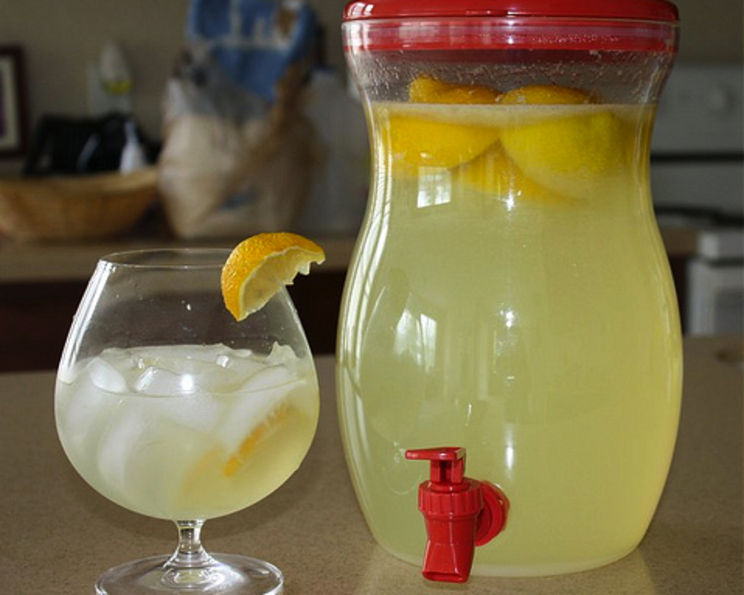
The Quintessential Refreshment: Mastering Fresh Lemonade
There’s a particular magic in a glass of perfectly chilled, vibrant lemonade on a sweltering summer day. For me, it’s more than just a drink; it’s the taste of childhood summers spent at my grandmother’s kitchen table, the air thick with the scent of blooming jasmine and the hum of cicadas. She’d meticulously squeeze lemons, her hands stained a faint yellow, her movements economical and precise. That first sip, tart and sweet, a lightning bolt of pure refreshment, remains one of my most cherished sensory memories, a benchmark against which all other lemonades are measured.
Recipe Overview
- Prep Time: 15 minutes
- Cook Time: 3 minutes
- Total Time: 18 minutes (plus chilling time)
- Servings: 16
- Yield: 16 cups
- Dietary Type: Vegan, Dairy-Free, Gluten-Free
Ingredients
This lemonade is beautifully simple, relying on the purity of its components. The key is using fresh, good-quality ingredients.
- 2 cups granulated sugar: This forms the backbone of our simple syrup, providing the perfect balance to the lemon’s acidity.
- 14 cups water: Divided for the syrup and the final lemonade.
- 2 cups lemon juice, fresh squeezed: This is non-negotiable for true, authentic lemonade. Avoid bottled juice at all costs; the flavor difference is immense.
Equipment Needed
While this recipe is wonderfully straightforward, a few basic kitchen tools will ensure success.
- Microwave-safe bowl (at least 4-cup capacity)
- Whisk
- 1-gallon pitcher with a lid
- Measuring cups and spoons
- Citrus juicer (manual or electric)
- Fine-mesh sieve (optional, for straining lemon juice)
Instructions
The art of making exceptional lemonade lies in creating a perfectly balanced simple syrup and then allowing the flavors to meld beautifully.
- Prepare the Simple Syrup Base: In a microwave-safe bowl, combine 2 cups of sugar with 1 cup of water.
- Dissolve the Sugar: Place the bowl in the microwave and microwave for 3 minutes, stirring every minute. The goal is to completely dissolve all the sugar. If, after three minutes, there are still undissolved sugar crystals clinging to the bottom of the bowl, microwave for an additional minute. Continue this process, stirring intermittently, until the sugar is fully dissolved, creating a clear, syrupy liquid.
- Combine with Lemon Juice: Once the simple syrup is ready, carefully remove the hot bowl from the microwave. Add the 2 cups of fresh squeezed lemon juice directly to the warm syrup. Stir these together well. The warmth of the syrup will help integrate the lemon juice seamlessly.
- Dilute and Chill: Pour this concentrated lemon-sugar mixture into a 1-gallon pitcher. Add the remaining 13 cups of water to the pitcher. Stir everything thoroughly until well combined.
- Chill for Optimal Flavor: Cover the pitcher and chill the lemonade in the refrigerator for at least 30 minutes, and ideally longer, to allow the flavors to fully meld and the lemonade to reach a refreshing, icy temperature.
- Serve and Enjoy: Pour over ice and enjoy the bright, zesty taste of perfectly made fresh lemonade.
Expert Tips & Tricks
To elevate your homemade lemonade from good to sublime, consider these chef-level insights:
- The Zest is Best (Optional Addition): For an even more nuanced lemon flavor, consider adding the zest of one or two of the lemons you’re juicing to the sugar and water mixture before microwaving. Strain it out with the pulp if you prefer a crystal-clear lemonade.
- Lemon Quality Matters: Choose lemons that feel heavy for their size, indicating juiciness. Meyer lemons offer a slightly sweeter, more floral note if you can find them.
- Taste and Adjust: While the recipe is balanced, everyone’s palate is different. After chilling, taste your lemonade. If it’s too tart, you can stir in a little more simple syrup (made by dissolving sugar in a small amount of hot water). If it’s too sweet, a splash more lemon juice can do the trick.
- The Art of the Ice: Serve your lemonade over plenty of ice. For an extra touch, consider freezing some lemonade in ice cube trays to prevent dilution as the ice melts. You can also freeze thin lemon slices within the ice cubes for a beautiful presentation.
- Straining for Smoothness: If you prefer your lemonade absolutely pulp-free, strain the fresh lemon juice through a fine-mesh sieve before adding it to the simple syrup.
Serving & Storage Suggestions
This delightful lemonade is a versatile companion to a wide array of meals and occasions.
Serve it ice-cold, garnished with a fresh lemon slice on the rim of the glass or a sprig of mint for an added aromatic and visual appeal. It’s the perfect accompaniment to a light lunch of grilled chicken or a fresh salad, a barbecue feast, or simply a moment of quiet refreshment on a warm afternoon.
Leftovers can be stored in the covered pitcher in the refrigerator for up to 3–4 days. The flavors will continue to meld and deepen slightly over time, though the vibrancy might diminish slightly after the first day. Give it a good stir before serving if it has been sitting for a while.
Nutritional Information
Here’s an estimated nutritional breakdown per 8-ounce serving of fresh lemonade. Please note that this can vary slightly based on the size and juiciness of your lemons and the exact sugar content.
| Nutrient | Amount per Serving | % Daily Value |
|---|---|---|
| Calories | 103.5 kcal | — |
| Calories from Fat | 0 g | 0% |
| Total Fat | 0.1 g | 0% |
| Saturated Fat | 0 g | 0% |
| Cholesterol | 0 mg | 0% |
| Sodium | 6.8 mg | 0% |
| Total Carbohydrate | 27.1 g | 9% |
| Dietary Fiber | 0.1 g | 0% |
| Sugars | 25.7 g | 102% |
| Protein | 0.1 g | 0% |
Variations & Substitutions
While the classic is perfection, feel free to explore these delightful variations:
- Sparkling Lemonade: For a fizzy delight, replace half of the final water addition (about 6.5 cups) with chilled sparkling water or club soda. Add the sparkling water just before serving to maintain its effervescence.
- Herb-Infused Lemonade: Steep fresh herbs like mint, basil, or lavender in the simple syrup while it’s still warm. Strain them out before combining with lemon juice.
- Fruity Twist: Muddle fresh berries (strawberries, raspberries, blueberries) or chunks of other fruits like watermelon or peach in the bottom of the pitcher before adding the lemonade mixture.
- Sweetener Swap: For a refined sugar-free option, you can experiment with natural sweeteners like stevia or erythritol, though you’ll need to adjust quantities to taste as their sweetness levels differ significantly from sugar.
FAQs
Q: How do I get the most juice from my lemons?
A: Roll the lemons firmly on your countertop before cutting them in half. This breaks down the internal membranes and makes them easier to juice.
Q: Can I make this lemonade ahead of time?
A: Yes, the lemonade can be made and stored in the refrigerator for up to 3–4 days. The flavors will continue to develop.
Q: Why is my simple syrup cloudy?
A: Cloudiness can occur if the sugar isn’t fully dissolved, or if you use unfiltered water. Ensure all sugar is dissolved by stirring well and consider using filtered water.
Q: How long does the lemonade last?
A: Freshly squeezed lemonade is best enjoyed within 3–4 days when stored properly in the refrigerator.
Q: Can I use pre-bottled lemon juice?
A: While technically possible, it’s strongly discouraged for the best flavor. Freshly squeezed lemon juice offers a bright, vibrant taste that bottled juice simply cannot replicate.
A Taste of Pure Sunshine
This recipe for fresh lemonade is a testament to the beauty of simplicity. It’s a drink that evokes joy, warmth, and pure, unadulterated refreshment. Whether you’re hosting a garden party, enjoying a quiet afternoon on the porch, or simply craving a taste of summer, this homemade lemonade will not disappoint. It’s a reminder that sometimes, the most extraordinary pleasures come from the most straightforward ingredients and a little bit of care. So, gather your lemons, embrace the process, and savor every sip of this golden elixir.