
The Golden Alchemy: Crafting Perfect Fresh Pumpkin Puree
There’s a particular crispness that enters the air, a subtle shift in the light that always beckons me back to the kitchen with a singular, golden ambition. It’s the season of cozy sweaters, crackling fires, and the unmistakable scent of cinnamon and nutmeg. For me, that scent is inextricably linked to the humble, yet magnificent, sugar pumpkin. I remember one blustery October afternoon, my grandmother’s kitchen alive with a warm glow, where we painstakingly scooped the seeds from a trio of these delightful gourds. The aroma that filled the house as they baked was pure autumnal magic, a promise of pies and breads that would grace our Thanksgiving table. That simple, hands-on process, transforming a raw vegetable into a silky, flavor-packed puree, has remained a treasured ritual, a delicious connection to seasons past and a testament to the beauty of making things from scratch.
Recipe Overview
- Prep Time: 20 minutes
- Cook Time: 1 hour 30 minutes
- Total Time: 4 hours 50 minutes (including refrigeration)
- Servings: Varies by recipe use
- Yield: Approximately 4-5 cups
- Dietary Type: Vegan, Gluten-Free, Dairy-Free
Ingredients
- 1 (3 ¾ to 4 lb) sugar pumpkin (also known as a pie pumpkin)
- Aluminum foil
Equipment Needed
- Large knife
- Large spoon
- Baking sheets (at least two)
- Paper towels
- Food processor
- Fine-mesh strainer
- Cheesecloth or coffee filters
- Bowl (large enough to catch juices)
Instructions
- Preheat your oven to 350°F (175°C). This moderate temperature ensures gentle cooking, allowing the pumpkin to become tender without scorching.
- Prepare your baking sheets. Line one baking sheet with aluminum foil. This will be for roasting the pumpkin halves. Set aside another baking sheet and line it with paper towels. This is for drying the pumpkin seeds, should you choose to save them.
- Clean the pumpkin. Thoroughly rinse any dirt off the outside of your sugar pumpkin. Pat it dry with a clean towel. A clean exterior helps prevent any unwanted flavors from transferring to your puree.
- Halve the pumpkin. Using a large, sharp knife, carefully cut the pumpkin in half vertically. This is often the trickiest part, so take your time and ensure a stable cutting surface.
- Remove seeds and pulp. With a large spoon, scoop out the seeds and stringy pulp from each pumpkin half. It’s important to separate the seeds from the pulp. Discard the pulp; it’s too fibrous for a smooth puree.
- Save the seeds (optional). If you wish to save the pumpkin seeds, thoroughly wash them under cool running water to remove any remaining pulp. Spread them in a single layer onto the paper towel-lined baking sheet. Allow them to dry completely. This step is crucial for achieving crispy roasted seeds later. (I often bake them for a simple, healthy snack.)
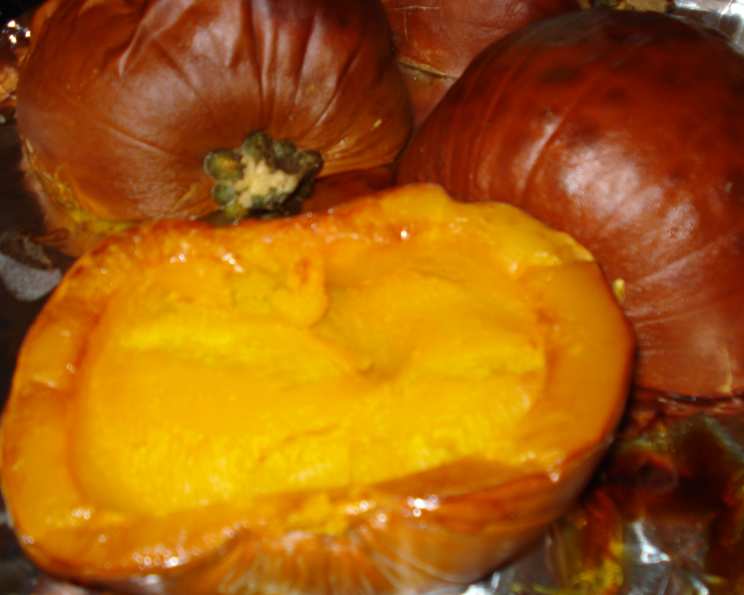
- Roast the pumpkin. Place the pumpkin halves cut side down onto the foil-lined baking sheet. This method allows the steam to collect within the pumpkin, aiding in tenderization.
- Bake until tender. Bake for 1 to 1 ½ hours, or until the flesh is fork-tender. You should be able to easily pierce the thickest part of the pumpkin with a fork. The exact time will depend on the size and density of your pumpkin.
- Cool the pumpkin. Once baked, remove the pumpkin halves from the oven and let them cool on the baking sheet until they are cool enough to handle. This usually takes about 15-20 minutes.
- Scoop out the flesh. Carefully scoop out the tender pumpkin flesh from the skin of each half and place it into the bowl of a food processor.
- Puree until smooth. Process the pumpkin flesh until it is completely smooth and creamy. You may need to scrape down the sides of the food processor bowl a few times to ensure a consistent texture.
- Strain the puree. Line a fine-mesh strainer with either cheesecloth or coffee filters. This is a critical step for achieving that ultra-smooth, silky texture, as it removes excess moisture and any remaining fibrous bits.
- Drain the puree. Pour the pureed pumpkin into the lined strainer.
- Refrigerate to drain. Place the strainer on top of a bowl large enough to catch any dripping juices. Place both the strainer and bowl into the refrigerator. Allow the puree to drain for at least 4 hours. This draining process removes excess water, concentrating the flavor and preventing a watery end product in your baked goods.
- Discard juices and use puree. After 4 hours, discard the accumulated juices in the bowl. Your beautifully smooth and intensely flavored fresh pumpkin puree is now ready to be used in your favorite pies, biscuits, pumpkin cinnamon rolls, dog treats, and more!
Expert Tips & Tricks
For an even smoother puree, especially if your food processor isn’t top-of-the-line, consider processing the pumpkin flesh in batches. Don’t overfill the processor, as this can lead to uneven results. If you find your puree is still a bit watery after the initial straining period, you can extend the refrigeration time or gently press down on the puree in the strainer with a spoon to encourage more liquid to release. When selecting your sugar pumpkin, look for one with a dull skin; shiny skin can indicate it was harvested too early or treated with wax, neither of which is ideal for baking. A pumpkin that feels heavy for its size generally has more flesh and less air space.
Serving & Storage Suggestions
Fresh pumpkin puree is incredibly versatile, serving as the vibrant heart of countless autumnal dishes. It’s perfect for classic pumpkin pie, but don’t stop there! Stir it into pancake or waffle batter for a seasonal breakfast, fold it into muffin or bread dough for a moist and flavorful treat, or even use it as a base for a creamy pumpkin soup.
Storage: Once you’ve made your fresh pumpkin puree, store it in an airtight container in the refrigerator for up to 3 days. For longer storage, freeze the puree in ice cube trays or individual portions. Once frozen, transfer the cubes to a freezer-safe bag. Frozen pumpkin puree will keep for up to 3 months. Thaw overnight in the refrigerator before using.
Nutritional Information
| Nutrient | Amount per Serving (approx. 1 cup of puree) | % Daily Value |
|---|---|---|
| Calories | 442.6 kcal | |
| Calories from Fat | 1.7 g | 3% |
| Total Fat | 1.7 g | 2% |
| Saturated Fat | 0.9 g | 4% |
| Cholesterol | 0 mg | 0% |
| Sodium | 17 mg | 1% |
| Total Carbohydrate | 110.7 g | 37% |
| Dietary Fiber | 8.5 g | 34% |
| Sugars | 23.1 g | 26% |
| Protein | 17 g | 34% |
(Note: Nutritional values are estimates and can vary based on the size and variety of the pumpkin.)
Variations & Substitutions
While sugar pumpkins are ideal, if you can’t find them, other small, sweet varieties like butternut squash or kabocha squash can be roasted and pureed. Their flavor profiles will be slightly different, but still delicious. For a spicier note in your final baked goods, consider adding a pinch of ground ginger or cloves to the pumpkin flesh in the food processor.
FAQs
Q: Why do I need to strain the pumpkin puree?
A: Straining removes excess water and any remaining stringy bits, resulting in a smoother, more concentrated puree that won’t make your baked goods soggy.
Q: Can I use a large carving pumpkin for puree?
A: It’s best to avoid carving pumpkins. They have a higher water content and a less desirable, often stringy texture and flavor, making them unsuitable for baking.
Q: How long does fresh pumpkin puree last in the refrigerator?
A: Properly stored in an airtight container, fresh pumpkin puree will last for up to 3 days in the refrigerator.
Q: My puree seems a bit watery. What should I do?
A: You can extend the draining time in the refrigerator. Placing a weight on top of the cheesecloth or coffee filters can also help to press out more moisture.
Q: Can I use canned pumpkin puree instead of fresh?
A: While canned pumpkin is convenient, fresh puree offers a superior flavor and texture that is truly worth the effort. The taste difference is significant, especially in delicate recipes.
Final Thoughts
There’s an unparalleled satisfaction that comes from creating something truly special from scratch, and transforming a simple sugar pumpkin into a silken, vibrant puree is one of those culinary joys. It’s a process that connects us to the seasons, to our kitchens, and to the delicious possibilities that lie within simple, natural ingredients. I encourage you to embrace this golden alchemy and experience the depth of flavor and texture it brings to your favorite autumnal recipes. May your pies be perfectly spiced and your breads wonderfully moist!