
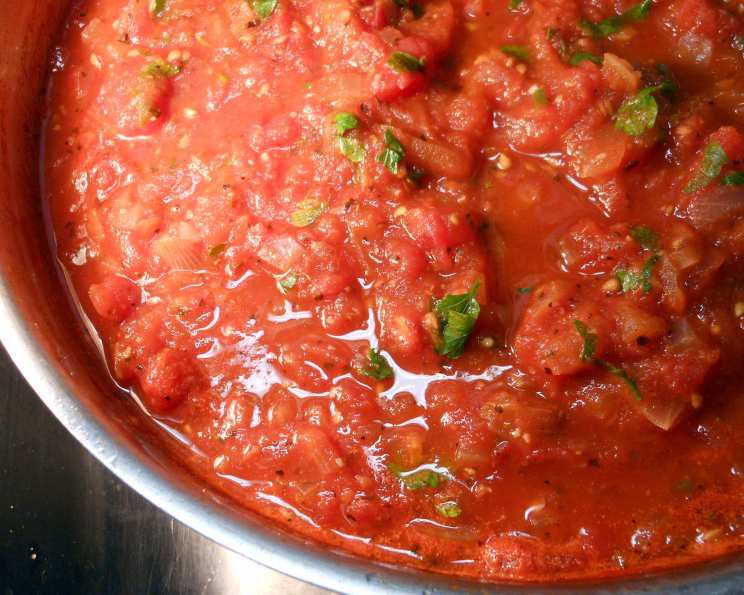
The Essence of Summer: A Glorious Fresh Tomato Pasta Sauce
There’s a certain magic that happens when the sun-ripened bounty of a summer garden finds its way into the kitchen. For me, that magic is most powerfully distilled into a vibrant, impossibly fresh tomato sauce. I remember my grandmother’s small plot, overflowing with tomatoes in every shade of red, a testament to long, warm days. She’d spend hours meticulously peeling and chopping, transforming that liquid sunshine into jars of sauce that would perfume our kitchen all year round. This recipe is a direct descendant of those cherished memories, a way to capture that fleeting summer sweetness and bottle it for any time of year. It’s more than just a sauce; it’s a spoonful of sunshine, a reminder of simple pleasures, and a testament to the power of fresh ingredients.
Recipe Overview
- Prep Time: 20 minutes
- Cook Time: 25 minutes
- Total Time: 45 minutes
- Servings: 6-8
- Yield: Approximately 7 cups
- Dietary Type: Vegetarian, Dairy-Free, Vegan adaptable
Ingredients
The beauty of this sauce lies in its simplicity, allowing the star ingredient – the tomato – to shine. For the most vibrant flavor, seek out the ripest, most flavorful tomatoes you can find. Heirloom varieties are particularly wonderful for their complexity.
- 2 tablespoons olive oil
- 1 large brown onion, finely chopped
- 2 garlic cloves, crushed
- 2 kg medium tomatoes, peeled and chopped
- 1 teaspoon salt
- ½ cup dry red wine (optional, but highly recommended for depth)
- 2 teaspoons brown sugar (to balance acidity, adjust to taste)
- 2 tablespoons tomato paste
- 2 tablespoons fresh basil leaves, finely chopped
- 2 tablespoons fresh parsley, finely chopped
- 2 tablespoons fresh oregano, finely chopped
- ½ teaspoon cracked black peppercorns
- 2 bay leaves
A Note on Tomatoes: Peeling tomatoes might seem like an extra step, but it’s crucial for achieving a silky smooth sauce texture. A quick blanch in boiling water followed by an ice bath will make the skins slip off with ease.
Equipment Needed
While you don’t need overly specialized tools for this sauce, a few key items will make the process smoother:
- A large, heavy-bottomed saucepan or Dutch oven
- A sharp knife and cutting board
- Measuring spoons and cups
- A wooden spoon or heatproof spatula for stirring
- A fine-mesh sieve (optional, for a smoother sauce if desired)
Instructions
This is where the alchemy truly happens, transforming humble ingredients into a rich, flavorful sauce that can elevate any pasta dish.
- Sauté the Aromatics: Begin by heating the olive oil in your large saucepan or Dutch oven over medium heat. Once shimmering, add the finely chopped brown onion. Cook, stirring occasionally, until the onion is softened and translucent, about 5-7 minutes. Be careful not to brown it too deeply; we’re looking for a gentle sweetness.
- Infuse with Garlic: Add the crushed garlic cloves to the pan with the softened onions. Cook for another minute until fragrant, stirring constantly to prevent the garlic from burning, which can impart a bitter flavor.
- Introduce the Tomatoes and Simmer: Now, add the peeled and chopped tomatoes to the saucepan. Stir in the salt and the dry red wine, if using. Bring the mixture to a gentle simmer. Let it simmer uncovered for about 15 minutes, or until the tomatoes have softened considerably and begun to break down. You’ll see them release their juices and start to meld into a saucy consistency.
- Build the Flavor Profile: Stir in the brown sugar, tomato paste, cracked black peppercorns, and the bay leaves. Continue to simmer uncovered for another 10 minutes, stirring more frequently as the sauce thickens. The goal here is to reduce the sauce to your desired consistency and to allow the flavors to deepen and meld together beautifully.
- Incorporate Fresh Herbs: Remove the pan from the heat. Stir in the finely chopped fresh basil leaves, fresh parsley, and fresh oregano. The residual heat will gently wilt the herbs and release their vibrant aromas without overcooking them.
- Final Touches and Resting: Carefully remove and discard the bay leaves before serving. Taste the sauce and adjust seasoning if necessary. You might want a pinch more salt or a touch more sugar, depending on the sweetness of your tomatoes.
- Cool and Store: Allow the sauce to cool completely before refrigerating. This sauce is best enjoyed after it has had a chance to rest and the flavors have married.
Expert Tips & Tricks
- Tomato Quality is King: The success of this sauce hinges entirely on the quality of your tomatoes. If fresh, in-season tomatoes aren’t available, a good quality canned San Marzano tomato can be a decent substitute, though the flavor will be different.
- Texture Control: If you prefer a smoother sauce, you can pulse it a few times with an immersion blender or transfer it to a regular blender (be careful with hot liquids!). Alternatively, for a slightly chunkier texture, you can mash some of the tomato pieces with the back of your spoon during the simmering process.
- Wine’s Role: The red wine adds a wonderful complexity and depth of flavor, helping to cut through the richness of the tomatoes. If you prefer to omit it, you can simply use a little extra water or vegetable broth to maintain the liquid balance during the initial simmer.
- The Power of Resting: Just like a good stew, this tomato sauce benefits immensely from a little time to rest. The flavors will meld and deepen overnight, making it even more delicious the next day.
Serving & Storage Suggestions
This fresh tomato sauce is incredibly versatile. It’s, of course, the perfect companion to any pasta – spaghetti, penne, rigatoni, you name it. Toss it with your favorite cooked pasta, a drizzle of good olive oil, and a sprinkle of grated Parmesan cheese (or nutritional yeast for a vegan option). It’s also fantastic as a base for lasagna, as a topping for pizza, or even as a dipping sauce for mozzarella sticks or arancini.
- Refrigeration: Cooled sauce can be stored in an airtight container in the refrigerator for up to 3 days. As mentioned, it often tastes even better the next day!
- Freezing: This sauce freezes beautifully, making it an invaluable asset for quick weeknight meals. Once cooled, portion it into freezer-safe containers or bags. It will keep in the freezer for up to 3 months. Thaw overnight in the refrigerator and reheat gently on the stovetop.
Nutritional Information
Here’s an estimated breakdown of the nutritional content per serving. Please note that these are approximate values and can vary based on specific ingredients used.
| Nutrient | Amount per Serving (approx. 1 cup) | % Daily Value |
|---|---|---|
| Calories | 118 kcal | |
| Calories from Fat | 40 kcal | |
| Total Fat | 4.5 g | 6% |
| Saturated Fat | 0.6 g | 3% |
| Cholesterol | 0 mg | 0% |
| Sodium | 385.4 mg | 16% |
| Total Carbohydrate | 15.9 g | 5% |
| Dietary Fiber | 4.1 g | 16% |
| Sugars | 10.2 g | 40% |
| Protein | 3.1 g | 6% |
Note: Daily Values are based on a 2,000 calorie diet. Your daily values may be higher or lower depending on your calorie needs.
Variations & Substitutions
- Spicy Kick: For a touch of heat, add a pinch of red pepper flakes along with the garlic in step 2.
- Heartier Sauce: Sautéed mushrooms or finely diced bell peppers can be added with the onions for extra texture and flavor.
- Vegan Adaptations: This sauce is naturally vegan-friendly if you omit any dairy used in serving (like Parmesan cheese).
- Herb Garden Boost: Feel free to experiment with other fresh herbs like thyme or rosemary, though use them more sparingly as they have a stronger flavor.
FAQs
Q: Why do I need to peel the tomatoes?
A: Peeling the tomatoes ensures a smoother, more refined sauce texture by removing the tough skins that can become fibrous.
Q: Can I use canned tomatoes instead of fresh?
A: Yes, high-quality canned whole peeled tomatoes, like San Marzano, can be used. You’ll want to drain them and chop them before adding to the pot. The flavor will be different, but still delicious.
Q: My tomatoes are very acidic. How can I fix this?
A: The brown sugar helps to balance acidity. You can also add a pinch of baking soda (about ¼ teaspoon at a time) to neutralize excess acidity, stirring well after each addition.
Q: How long can I store this sauce in the refrigerator?
A: Properly stored in an airtight container, the sauce will keep for up to 3 days.
Q: Can I make this sauce without wine?
A: Absolutely. You can substitute the red wine with an equal amount of vegetable broth or water to maintain the liquid balance during the initial simmering stage.
Final Thoughts
This fresh tomato sauce is more than just a recipe; it’s an invitation to savor the essence of summer. Whether you’re growing your own tomatoes or simply picking up the ripest ones at the market, the effort you put into this sauce will be rewarded tenfold. Serve it with a simple pasta and a crisp green salad for a meal that sings of sunshine and garden freshness. I’d love to hear about your creations and how you enjoy this taste of summer!