
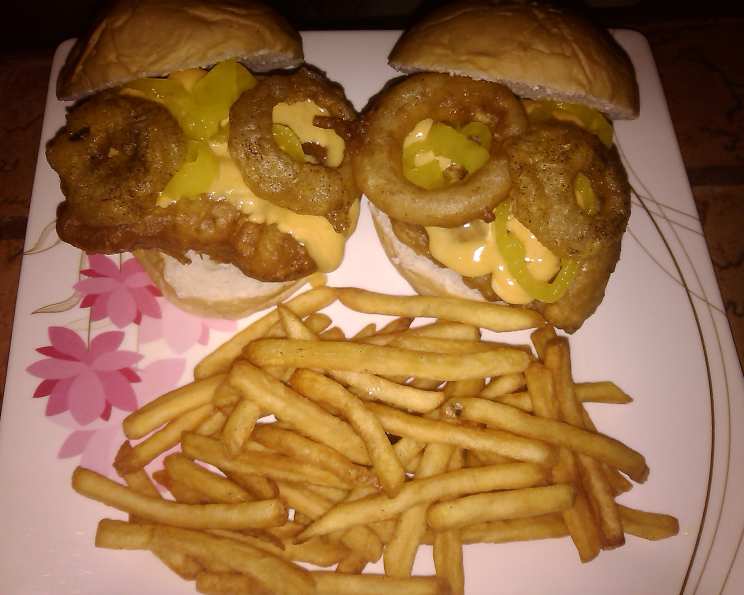
The Perfect Golden Hug: Mastering Crispy Fried Fish
There are certain smells that instantly transport me back to childhood summers. The salty tang of the ocean, the sizzle of a barbecue, and, for me, the unmistakable aroma of perfectly fried fish. My grandmother, a woman whose kitchen was a place of endless comfort and delicious discoveries, made fried fish on special occasions. It wasn’t just a meal; it was an event. The anticipation would build as the golden batter emerged from the bubbling oil, served with a generous squeeze of lemon and a side of her legendary tartar sauce. That memory, of crisp, flaky fish embraced by a shatteringly light crust, is what I strive to recreate every time I set out to make this classic dish. It’s a taste of home, a culinary hug, and a testament to the simple magic of well-executed fried food.
Recipe Overview
- Prep Time: 20 minutes
- Cook Time: 10-15 minutes per batch
- Total Time: 40 minutes
- Servings: 2-4
- Yields: 1 batch
- Dietary Type: Dairy-Free (if using non-dairy beer)
Ingredients
For a batch of truly sensational fried fish, precision with your ingredients is key. We’re aiming for a crust that’s as light and airy as it is crisp, and fish that’s cooked to flaky perfection.
For Frying:
- Safflower oil: 1 gallon (Its high smoke point makes it ideal for deep frying without breaking down.)
For the Batter:
- Flour: 2 cups (All-purpose flour is perfect here.)
- Baking powder: 1 tablespoon (This is crucial for lift and crispness.)
- Kosher salt: 1 teaspoon (For seasoning the batter.)
- Cayenne pepper: 1/4 teaspoon (Just a whisper of heat to awaken the palate.)
- Old Bay Seasoning: 1 dash (This iconic seasoning blend adds a wonderful complexity.)
- Brown beer, cold: 1 bottle (The colder the beer, the better the batter’s texture. The carbonation also contributes to crispness.)
For the Fish:
- Firm-fleshed white fish fillets: 1 1/2 lbs (Tilapia, pollock, or cod are excellent choices. Cut them into 1-ounce strips for even cooking.)
- Cornstarch: for dredging (This helps the batter adhere beautifully to the fish.)
Equipment Needed
To achieve that perfect crisp, a few essential tools will make your journey smoother:
- A sturdy, 5-quart Dutch oven or other deep, heavy-bottomed pot for safely frying.
- A whisk for creating a smooth batter.
- A shallow dish or plate for the cornstarch dredging.
- A slotted spoon or spider strainer for carefully lifting the fish from the oil.
- A roasting rack set over a baking sheet, for draining the fried fish and keeping it crisp.
- An instant-read thermometer to ensure your oil is at the correct temperature.
- A cooling rack placed over a baking sheet for the fish to drain and stay crisp.
- Your oven, preheated to 200 degrees F to keep cooked batches warm.
Instructions
The magic of this fried fish lies in the technique. Follow these steps precisely, and you’ll be rewarded with a truly magnificent dish.
-
Prepare your warming oven: Begin by preheating your oven to 200 degrees F. This is your holding station, ensuring that each batch of perfectly fried fish stays warm and crisp while you prepare the rest.
-
Heat the oil: Pour 1 gallon of safflower oil into your 5-quart Dutch oven. Place the pot over high heat and bring the oil temperature to 350 degrees F. It’s imperative to maintain this temperature for the ideal frying experience. An instant-read thermometer is your best friend here.
-
Mix the dry ingredients: In a medium-sized bowl, thoroughly whisk together the flour, baking powder, kosher salt, cayenne pepper, and Old Bay seasoning. Ensure everything is evenly distributed for a uniform batter.
-
Incorporate the beer: Gradually whisk in the cold brown beer until the batter is completely smooth and free of any lumps. The consistency should be like that of pancake batter – thick enough to coat the fish, but not so thick that it becomes heavy.
-
Chill the batter: Cover the bowl of batter and refrigerate it for 15 to 60 minutes. This chilling period is crucial. It allows the gluten in the flour to relax, resulting in a more tender crust, and helps the batter adhere better to the fish.
-
Dredge the fish: Lightly dredge the fish strips in cornstarch. This dry coating acts as a primer, helping the wet batter to cling to the fish and creating an even crispier exterior.
-
Fry in batches: Working in small batches to avoid overcrowding the pot (which lowers the oil temperature and leads to greasy fish), dip the cornstarch-dredged fish into the batter. Ensure each piece is fully coated.
-
Immerse and cook: Carefully immerse the battered fish into the hot oil. Do not disturb the pieces for the first minute or so, allowing the batter to set.
-
Achieve golden perfection: Once the batter appears set, gently turn the pieces of fish over. Continue to cook until golden brown on all sides, approximately 2 minutes per side. The total cooking time per piece will be around 4 minutes.
-
Drain and rest: Using a slotted spoon or spider strainer, carefully lift the fried fish from the oil. Drain the fish on a roasting rack set over a baking sheet. This allows excess oil to drip away, maintaining the fish’s crispness. Immediately transfer the drained fish to your preheated oven.
-
Maintain oil temperature: After removing each batch of fish, allow the oil to return to 350 degrees F before adding the next batch. Patience here is key to consistent crispiness.
Expert Tips & Tricks
Achieving that perfect, shatteringly crisp fried fish is an art, but with a few insider tips, you can elevate your results from good to phenomenal.
- The Cold Factor: I cannot stress enough the importance of cold beer and cold batter. Cold ingredients react more vigorously with the hot oil, creating steam that puffs up the batter and leads to a lighter, crispier texture. If your batter starts to feel warm, pop it back in the fridge for a few minutes.
- Don’t Overcrowd the Pot: This is the cardinal rule of frying. Adding too many pieces of fish at once will significantly drop the oil temperature. The fish will then absorb more oil, becoming greasy and lacking that desirable crispness. Fry in small, manageable batches.
- The Cornstarch Nuance: While simply dredging the fish in cornstarch is effective, some chefs prefer to mix a tablespoon or two of cornstarch directly into their flour mixture. This can sometimes contribute to an even crisper, more delicate crust. Experiment to see what you prefer!
- Oil Temperature is Paramount: Invest in a good instant-read thermometer. Frying at the correct temperature (350°F) ensures the fish cooks through quickly while the batter crisps up beautifully, without burning. If the oil is too cool, the fish will be greasy; if it’s too hot, the batter will burn before the fish is cooked.
- Drain, Drain, Drain: As soon as the fish comes out of the oil, it needs to drain. Using a wire rack allows air to circulate around the fish, preventing the bottom from becoming soggy. A few paper towels can be placed underneath the rack to catch any drips, but avoid placing the fish directly on paper towels, as this can trap steam and soften the crust.
Serving & Storage Suggestions
Fried fish is best enjoyed fresh from the fryer, but if you find yourself with leftovers, here’s how to handle them.
Serving: This fried fish is a star in its own right. Serve it piping hot, accompanied by classic accompaniments like lemon wedges (essential for cutting through the richness), malt vinegar, and a generous dollop of homemade or good quality tartar sauce. It pairs wonderfully with crispy French fries, coleslaw, or a simple green salad.
Storage: Fried fish is a delicate creature; its crispness is fleeting. If you do have leftovers, allow them to cool completely on a wire rack. Store them in an airtight container in the refrigerator for up to 1-2 days. For the best results when reheating, avoid the microwave. Instead, place the fish on a baking sheet in a preheated oven at 350°F for about 10-15 minutes, or until warmed through and slightly crisped up again. The oven is your best bet for restoring some of that glorious crunch. Freezing is generally not recommended, as it can lead to a soggy texture upon thawing.
Nutritional Information
While this dish is a delightful indulgence, understanding its nutritional profile can be helpful. The following is an estimated nutritional breakdown per serving, which can vary based on the type of fish used and exact oil absorption.
| Nutrient | Amount per Serving | % Daily Value |
|---|---|---|
| Calories | 842.7 kcal | |
| Calories from Fat | 630 kcal | |
| Total Fat | 70 g | 108% |
| Saturated Fat | 9 g | 45% |
| Cholesterol | 90 mg | 30% |
| Sodium | 1963 mg | 82% |
| Total Carbohydrate | 50 g | 17% |
| Dietary Fiber | 3 g | 12% |
| Sugars | 1 g | 2% |
| Protein | 45 g | 90% |
(Note: Nutritional information is an estimate and can vary based on specific ingredients and preparation methods.)
Variations & Substitutions
While the classic brown beer batter is a winner, don’t hesitate to explore!
- Gluten-Free Crust: For a gluten-free option, substitute a gluten-free all-purpose flour blend for the regular flour and ensure your baking powder is also certified gluten-free.
- Spiced Batter: Add a teaspoon of smoked paprika or a pinch of curry powder to the dry ingredients for a flavor twist.
- Herbaceous Notes: Finely chopped fresh parsley or chives can be stirred into the batter just before frying for a touch of freshness.
- Different Beers: While brown beer is recommended for its robust flavor, a cold lager or even a pale ale can be used. The key is a cold, carbonated beer.
- Alternative Oils: While safflower oil is excellent, other high-smoke-point oils like canola or peanut oil can also be used for frying.
FAQs
Q: Why is my fried fish greasy?
A: Greasy fried fish is usually a sign that the oil temperature was too low, or that you overcrowded the pot. Ensure your oil is at a consistent 350°F and fry in small batches.
Q: How can I make the batter crispier?
A: Using very cold beer and ensuring the batter is well-chilled before frying are key. The baking powder also plays a significant role in creating a light, crisp crust.
Q: Can I prepare the batter ahead of time?
A: While you can make the batter up to an hour in advance and keep it chilled in the refrigerator, it’s best used within a few hours for optimal crispness.
Q: What’s the best way to test if the fish is cooked through?
A: The fish should flake easily with a fork, and the internal temperature should reach 145°F. The batter will be a beautiful golden brown.
Q: Can I use frozen fish for this recipe?
A: It’s best to use fresh or thawed fish. If using frozen fish, ensure it is fully thawed and patted thoroughly dry before dredging and battering to prevent excess moisture from affecting the crispness.
A Taste of Tradition
This fried fish recipe is more than just a collection of ingredients and instructions; it’s an invitation to create delicious memories. It’s a dish that speaks of comfort, celebration, and the simple joy of sharing good food. So, gather your ingredients, embrace the sizzle, and prepare to be delighted by the perfectly golden, incredibly crisp fish that emerges from your kitchen. I hope this recipe brings you as much joy and satisfaction as it has brought me over the years. Happy frying!