
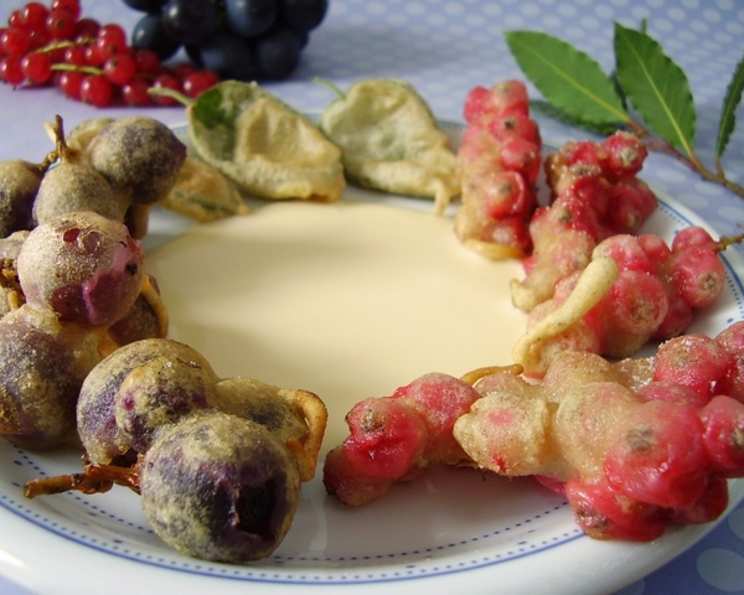
Fried Fruit with Bay Leaf Sauce: A Summer Symphony
There’s a particular magic that happens when the ordinary transforms into the extraordinary in the kitchen, and this dish is a prime example. I first encountered this delightful combination on a balmy August evening, the kind where the air hums with the last vestiges of daylight and the scent of honeysuckle. My hostess, a woman whose culinary wisdom seemed to flow as naturally as the nearby river, presented a platter that was as unexpected as it was enchanting. Warm, slightly crisp berries, glistening and sweet, nestled alongside delicately fried sage leaves, all bathed in a silken, aromatic sauce. It was a dessert that spoke of sunshine, of the earth, and of the profound joy found in simple, yet masterfully handled, ingredients. The subtle herbal notes of the bay leaf, so often relegated to savory stews, sang a surprising duet with the bright fruit and the fragrant sage. It was a revelation, a dish that still transports me back to that perfect summer twilight with every bite.
Recipe Overview
- Prep Time: 15 minutes
- Cook Time: 30 minutes
- Total Time: 45 minutes
- Servings: 2-4
- Yield: Approximately 4 servings
- Dietary Type: Can be adapted for vegetarian diets; contains egg and dairy.
Ingredients
For the Bay Leaf Sauce
- 4 large egg yolks
- 2 tablespoons sugar
- 2⁄3 cup milk
- 1 cup whipped cream
- 6 fresh bay leaves
For the Batter
- 1⁄2 cup all-purpose flour
- 1 tablespoon sugar
- 1 large egg
- 1 tablespoon sunflower oil
- 1⁄3 cup milk
- 1 pinch nutmeg, ground
- 1⁄4 teaspoon cinnamon, ground
For the Fried Fruit and Sage
- 1 -2 cup red currants, washed and dried
- 1 -2 cup purple grapes, washed and cut into clusters of 3-5 berries
- 10 fresh sage leaves
- Oil (for deep frying)
- Sugar (for topping)
Equipment Needed
- Small saucepan
- Whisk
- Slotted spoon
- Paper towels
- Medium bowl
- Another medium bowl
- Deep fryer or a heavy-bottomed pot for frying
- Thermometer (optional, for oil temperature)
Instructions
Crafting the Aromatic Bay Leaf Sauce
Begin by preparing the bay leaf sauce, which can be made in advance, allowing its flavors to meld beautifully. In a small saucepan, whisk together the egg yolks and sugar until well combined. Gradually whisk in the milk. Add the fresh bay leaves to the mixture.
Place the saucepan over medium-high heat. It is crucial to stir constantly as the mixture heats. You will notice it begin to thicken. Continue to heat and stir until the sauce reaches a temperature of approximately 175°F (80°C). A key indicator of readiness is when the sauce coats the back of a tablespoon, forming a thick film. Do not allow the sauce to boil, as this can cause the egg yolks to curdle.
Once the sauce has reached the desired consistency, remove it from the heat and continue to stir for an additional 2 minutes. This residual stirring helps to cool it slightly and ensures a smooth texture. Set the sauce aside to cool down completely. As it cools, the flavors will deepen and become even more pronounced.
Preparing the Fruit and Sage
While the sauce cools, turn your attention to the star components for frying. Gently wash the red currants and carefully pat them dry with paper towels. For the purple grapes, wash them and then separate them into small clusters of 3 to 5 berries. This makes them easier to fry and serve. Ensure all fruit is thoroughly dry to prevent splattering when it hits the hot oil.
Frying the Batter-Coated Delights
Now, set up your frying station. In a suited pot or a deep fryer, heat about 2 inches of oil for frying. You’ll want the oil to be hot enough to crisp the batter quickly without making it greasy. A temperature of around 350-375°F (175-190°C) is ideal.
In a medium bowl, combine the flour, sugar, ground nutmeg, and ground cinnamon. In a separate medium bowl, whisk together the egg, milk, and 1 tablespoon of sunflower oil until smooth. Pour this wet mixture into the dry ingredients and beat until you have a smooth batter. The consistency should be similar to pancake batter.
Take your prepared red currants, purple grape clusters, and sage leaves and dip them into the batter, ensuring they are well coated. Carefully place them, one by one, into the hot oil.
Fry the berries for about 1 minute, or until the batter is a light golden brown and crisp. For the sage leaves, fry them until the batter is light golden brown and puffed up, which usually takes just a moment longer. Be careful not to overcrowd the pot; fry in batches if necessary to maintain the oil temperature and ensure even cooking.
Using a slotted spoon, carefully remove the fried berries and sage leaves from the oil. Place them on a plate lined with paper towels to drain any excess oil.
The Final Touch and Serving
While the fried fruits and sage are still warm, sprinkle them lightly with some sugar. This adds a final touch of sweetness and a delicate crunch.
To serve this exquisite dessert, arrange the warm fried red currants and sage leaves on plates. Pour the cold bay leaf sauce alongside, allowing guests to spoon it over the warm elements as they wish. The contrast of warm and cold, crispy and creamy, sweet and herbal, is what makes this dessert so captivating.
NOTE: The versatility of this recipe is one of its greatest strengths. You can absolutely replace the berries with others of your choice. However, it’s best to use fresh ones that are not excessively sweet. Consider using a combination of sweet and tart fruits for a more complex flavor profile.
NOTE ON BAY LEAVES: The recipe calls for fresh bay leaves. If you find yourself with only dried ones, you can certainly use them. You may need to use more leaves to achieve the desired flavor intensity, as dried herbs are often less potent. It’s a good idea to taste the sauce during heating and add more leaves as needed to achieve a delicate vanilla and herbal taste that complements the fruit.
Expert Tips & Tricks
- Sauce Consistency is Key: If your bay leaf sauce seems a bit too thick after cooling, you can gently whisk in a tablespoon or two of extra cold whipped cream or milk until you reach your desired consistency. Conversely, if it’s too thin, you can gently reheat it over very low heat while whisking constantly, being careful not to scramble the eggs.
- Oil Temperature Management: Maintaining the correct oil temperature is crucial for perfectly fried items. If the oil is too cool, your food will absorb too much grease. If it’s too hot, the batter will burn before the inside is cooked. Using a thermometer is the most accurate way, but you can also test by dropping a tiny bit of batter into the oil; it should sizzle immediately and float to the surface.
- Dry Ingredients First: When making the batter, combining the dry ingredients first ensures the spices and sugar are evenly distributed before the wet ingredients are added.
- Don’t Overcrowd the Fryer: This is a cardinal rule of frying. Overcrowding the pot lowers the oil temperature significantly, leading to greasy, soggy results. Fry in small batches to ensure each item gets perfectly crisp.
- Sage Leaf Punctuation: The fried sage leaves act as a wonderful textural and aromatic punctuation mark. Ensure they are fully coated in batter and fry them until they are crisp and delicate. They provide a savory counterpoint to the sweetness of the fruit.
Serving & Storage Suggestions
This dessert is best served immediately after frying while the fruit and sage are still warm, creating a delightful contrast with the chilled bay leaf sauce. Arrange the warm, sugar-dusted berries and sage leaves artfully on individual plates. The cold sauce can be served in a small pitcher on the side for guests to anoint their fried creations, or a spoonful can be placed directly onto the plate.
Storage: The bay leaf sauce can be prepared up to 2 days in advance and stored in an airtight container in the refrigerator. It will thicken considerably when chilled; simply whisk in a little extra cream or milk and gently warm it (without boiling) before serving if needed. The fried fruit and sage are best enjoyed fresh. If you have any leftovers, they can be stored in an airtight container in the refrigerator for up to 1 day, though they will lose some of their crispness. Reheat gently in a low oven or a dry skillet if desired, but they are not the same as freshly fried.
Nutritional Information
| Nutrient | Amount per Serving | % Daily Value |
|---|---|---|
| Calories | 621 kcal | 31% |
| Total Fat | 29 g | 44% |
| Saturated Fat | 11.6 g | 58% |
| Cholesterol | 464.9 mg | 154% |
| Sodium | 151.9 mg | 6% |
| Total Carbohydrate | 75.1 g | 25% |
| Dietary Fiber | 4.1 g | 16% |
| Sugars | 37.5 g | 149% |
| Protein | 17.5 g | 35% |
Note: Nutritional values are estimates and can vary based on specific ingredients and portion sizes.
Variations & Substitutions
- Fruit Variety: Beyond red currants and grapes, consider other small fruits like raspberries, blueberries, or even thinly sliced firm peaches or plums. Ensure they are not too watery. For a more tart contrast, try small, underripe figs.
- Herbaceous Notes: While bay leaf is the star, you could experiment with infusing the sauce with other complementary herbs like a sprig of lemon verbena or a whisper of thyme for a different aromatic profile.
- Dairy-Free Adaptation: For a dairy-free version, you could attempt to make a bay leaf-infused custard using a plant-based milk (like almond or coconut milk) and a cornstarch or arrowroot slurry to thicken. For the batter, use a dairy-free milk and a flax egg or other egg replacer.
- Gluten-Free Batter: Substitute the all-purpose flour with a gluten-free flour blend for the batter. Ensure the blend contains a binder like xanthan gum.
FAQs
Q: Can I make the bay leaf sauce ahead of time?
A: Absolutely. The sauce is best made in advance to allow the flavors to meld. It can be stored in the refrigerator for up to two days.
Q: What if I don’t have fresh bay leaves?
A: You can use dried bay leaves, but you’ll likely need more, and the flavor might be less pronounced. Taste and adjust as needed during cooking.
Q: My fried batter is coming off the fruit. What did I do wrong?
A: Ensure your fruit is thoroughly dried before dipping it into the batter. Any moisture will prevent the batter from adhering properly. Also, make sure your oil is at the correct temperature; too low and the batter won’t set quickly.
Q: Can I use other types of oil for frying?
A: Yes, any neutral-flavored oil with a high smoke point, such as canola, vegetable, or peanut oil, will work well for deep frying.
Q: How do I know when the fried sage leaves are ready?
A: They will puff up and become light golden brown and crispy. This happens very quickly, so watch them closely to avoid burning.
A Sweet Summer Farewell
This dish is more than just a dessert; it’s an edible ode to summer’s bounty, a testament to how simple ingredients, treated with care and a touch of culinary magic, can create something truly unforgettable. The interplay of textures and tastes – the crisp batter, the tender fruit, the aromatic sauce – is a dance on the palate that lingers long after the last bite. I encourage you to bring this little piece of summer sunshine into your kitchen. Share it with loved ones, savor the moment, and let the unique flavors transport you. And if you discover your own perfect fruit or herb variation, do share your delightful discoveries!