
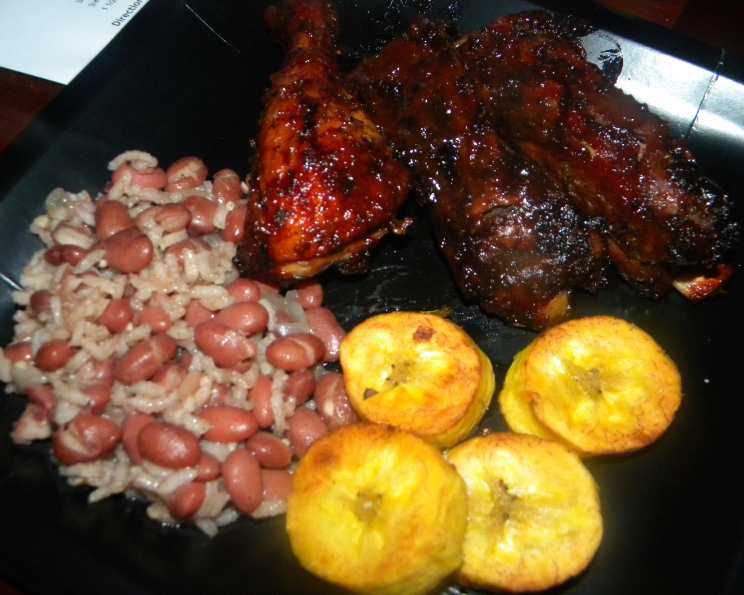
The Golden Kiss of the Tropics: Perfectly Fried Plantains
My introduction to the sublime pleasure of fried plantains wasn’t in a bustling city kitchen, but under the shade of a mango tree in Mandeville, Jamaica. The air, thick with the scent of blooming hibiscus and ripe fruit, seemed to hum with a quiet culinary magic. A local vendor, her hands moving with practiced grace, transformed simple green plantains into golden, irresistible morsels. The first bite, a symphony of sweet and savory with a delightful crisp exterior and a tender, almost custardy interior, was a revelation. It was more than just food; it was a taste of pure sunshine and warm hospitality, a memory I’ve cherished and sought to recreate ever since.
Recipe Overview
- Prep Time: 10 minutes
- Cook Time: 10 minutes
- Total Time: 20 minutes
- Servings: 4
- Yield: 4 servings
- Dietary Type: Vegan, Gluten-Free, Dairy-Free
Ingredients
- 4 ripe black plantains (The skin should be mostly black with some yellow patches, indicating ripeness and sweetness.)
- ¼ cup vegetable oil (or other neutral cooking oil like canola, grapeseed, or avocado oil)
- Salt, to taste
- Lime wedge, for serving (optional, but highly recommended)
Equipment Needed
- A large, heavy skillet (cast iron or stainless steel works wonderfully for even heat distribution)
- Sharp knife
- Cutting board
- Tongs
- Plate lined with paper towels
Instructions
The magic of perfectly fried plantains lies in their simplicity and the precise moment you capture them in their culinary prime. Forget those pale, undercooked versions or the burnt, bitter disappointments. Here’s how to achieve that sublime balance of crispy edges and sweet, tender flesh every single time.
-
Prepare the Plantains: Begin by peeling the ripe black plantains. For the ripest plantains, the peel should be mostly black, perhaps with a few yellow or even brownish streaks. This indicates they’ve reached their peak sweetness. If you find the peel difficult to remove, you can make a shallow slit lengthwise down the peel with your knife and then peel it away. Once peeled, slice each plantain in half on a bias (diagonally). Then, take each of those halves and slice them in half lengthwise. This will give you four pieces per plantain, creating beautiful, irregularly shaped pieces perfect for frying.
-
Heat the Oil: Place your large, heavy skillet over medium heat. Add the ¼ cup of vegetable oil to the skillet. Allow the oil to heat up for a few minutes. You’ll know it’s ready when it shimmers slightly or a tiny drop of water sizzles immediately upon contact. It’s crucial not to have the oil too hot, as this will burn the outside before the inside is tender, nor too cool, which will result in greasy plantains. Medium heat is your sweet spot.
-
Fry the Plantains: Carefully place the prepared plantain pieces into the hot oil, ensuring not to overcrowd the skillet. You want enough space between each piece for them to fry evenly and develop a beautiful golden-brown crust. You may need to fry them in batches depending on the size of your skillet. Let the plantains fry undisturbed for approximately 5 minutes per side. Observe them closely; they should turn a gorgeous golden-brown color.
-
Flip and Continue Frying: Using your tongs, carefully flip each plantain piece to the other side. Continue to fry for another 5 minutes, or until this second side is also a rich golden-brown. The goal is a uniform, appetizing color on both sides, indicating that the natural sugars in the plantains have caramelized beautifully. The interiors should be soft and tender, yielding easily when poked gently.
-
Drain and Season: Once both sides are perfectly golden and the plantains are cooked through, remove them from the skillet using your tongs. Place them onto a plate lined with paper towels. The paper towels will absorb any excess oil, ensuring that delightful crispiness is maintained. Immediately after removing them from the oil, sprinkle generously with salt, while they are still warm. The salt adheres best to the warm surface and helps to enhance the natural sweetness of the plantains.
-
Serve: Arrange the hot, salty, golden-brown fried plantains on a serving platter. Serve them immediately with lime wedges on the side. The bright, acidic tang of the lime is a classic accompaniment that cuts through the sweetness and richness of the fried plantains, creating a truly balanced and addictive flavor profile.
Expert Tips & Tricks
Achieving plantain perfection is more art than science, but a few seasoned insights can elevate your dish from good to truly exceptional. When selecting your plantains, lean towards those with mostly black skin. While green plantains are used for savory applications, the black ones have developed a natural sweetness and a softer texture that is ideal for this sweet fried preparation. Don’t rush the oil heating process; patiently wait for that subtle shimmer. Too cool, and you’ll have greasy plantains; too hot, and they’ll burn before cooking through. Overcrowding the pan is another common pitfall. Give your plantains space to breathe and crisp up. If they’re too close, they’ll steam rather than fry. The final sprinkle of salt is crucial and should be done as soon as they come out of the oil. This allows the salt to adhere and meld with the caramelized sugars.
Serving & Storage Suggestions
Fried plantains are best enjoyed fresh, right out of the skillet, while they are warm and delightfully crispy. They make a fantastic side dish to a variety of meals, from jerk chicken or pork to grilled fish, or even served as a sweet and savory appetizer. They also stand beautifully on their own as a snack.
Leftovers, while not as crisp, can be stored in an airtight container at room temperature for up to 2 days. If storing for longer, place them in the refrigerator for up to 4 days. To reheat, a quick pan-fry in a lightly oiled skillet over medium heat is the best way to restore some of their original crispiness. You can also briefly reheat them in a toaster oven or air fryer. Avoid microwaving, as this tends to make them soft and mushy.
Nutritional Information
Here’s an approximate nutritional breakdown for a serving of fried plantains. Please note that exact values can vary based on the size of the plantains and the amount of oil absorbed.
| Nutrient | Amount per Serving | % Daily Value |
|---|---|---|
| Calories | 339 kcal | 17% |
| Total Fat | 14.3 g | 18% |
| Saturated Fat | 2 g | 10% |
| Cholesterol | 0 mg | 0% |
| Sodium | 7.2 mg | 0% |
| Total Carbohydrate | 57.1 g | 21% |
| Dietary Fiber | 4.1 g | 15% |
| Sugars | 26.9 g | 54% |
| Protein | 2.3 g | 5% |
(Values are approximate and can vary.)
Variations & Substitutions
While the classic preparation is undeniably delicious, there are subtle ways to personalize your fried plantains. If you’re looking for a slightly different flavor profile, a pinch of cinnamon or a whisper of nutmeg can be stirred into the oil just before frying for an aromatic twist. For a touch of heat, a tiny pinch of cayenne pepper can be added to the salt mixture before sprinkling. If vegetable oil isn’t your preference, coconut oil imparts a lovely subtle tropical flavor that complements the plantains beautifully. The key is to use a neutral-flavored oil that can withstand medium-high heat.
FAQs
Q: How do I know when plantains are ripe enough for frying?
A: Look for plantains that are mostly black with some yellow or brown streaks. The skin should yield slightly when gently squeezed. Avoid green or yellow plantains for this sweet preparation, as they will be starchy rather than sweet.
Q: Can I use green plantains for this recipe?
A: Green plantains are starchier and less sweet, and they are typically prepared differently, often fried until golden and served as a savory side (like tostones). This recipe is specifically for ripe, sweet plantains.
Q: Why are my fried plantains coming out greasy?
A: This usually happens if the oil is not hot enough when you add the plantains, or if you overcrowd the pan. Ensure the oil is at a medium heat and fry in batches, allowing plenty of space for the plantains to crisp up.
Q: Can I make fried plantains ahead of time?
A: Fried plantains are best enjoyed fresh, but leftovers can be stored and reheated. Reheating in a skillet or oven will help restore some of their crispiness.
Q: What are the best ways to serve fried plantains?
A: They are a versatile side dish for savory meats, fish, or stews. They also make an excellent standalone snack or appetizer, especially with a squeeze of lime.
The humble plantain, transformed by the simple alchemy of hot oil and a pinch of salt, is a testament to how culinary magic can be found in the most unpretentious ingredients. These golden morsels are more than just a side dish; they are a burst of joy, a reminder of sun-drenched landscapes and the universal language of delicious food. I encourage you to try this recipe, to experience the satisfying crunch giving way to that sweet, soft interior. Share them with loved ones, and perhaps, like me, you’ll discover a new favorite flavor that carries you back to a warm, memorable place with every bite.