
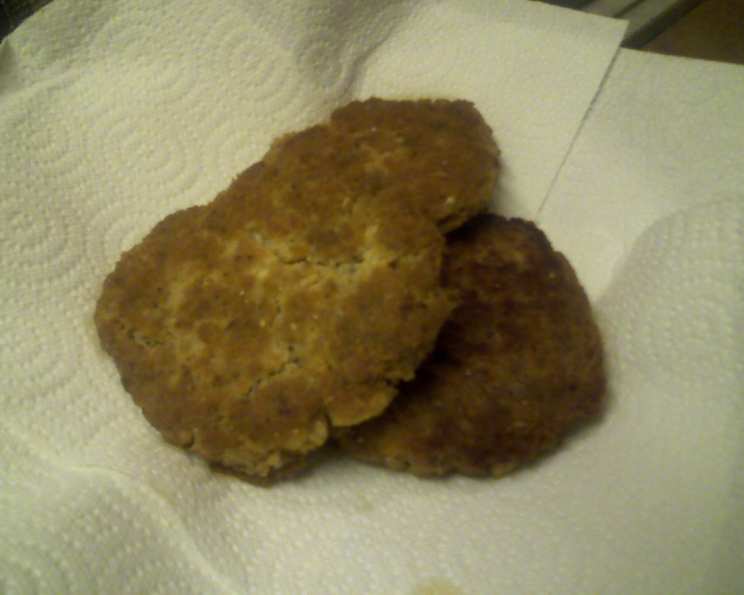
Golden Nuggets from the Sea: My Favorite Fried Salmon Patties
There are some dishes that just transport you back in time, aren’t there? For me, it’s the comforting aroma of salmon sizzling in a hot skillet that instantly conjures up memories of my grandmother’s kitchen. She’d make these simple, yet incredibly flavorful, salmon patties, and they were a weeknight staple, equally welcomed for a hearty breakfast with a side of creamy grits or a satisfying dinner alongside sweet peas and fluffy rice. The magic lay in their humble ingredients and the way they transformed humble canned salmon into something truly special – crisp on the outside, tender and flavorful on the inside, and utterly delicious.
Recipe Overview
- Prep Time: 15 minutes
- Cook Time: 20 minutes
- Total Time: 35 minutes
- Servings: 4-6
- Yield: Approximately 8-10 patties
- Dietary Type: Pescatarian, Dairy-Free (if no milk added)
Ingredients
- 2 (7-ounce) cans pink salmon, undrained
- 2 tablespoons all-purpose flour
- 2 large eggs, lightly beaten
- 1 medium onion, finely diced
- Salt, to taste
- Freshly ground black pepper, to taste
- Vegetable oil or other neutral oil, for frying (enough to generously coat the bottom of your skillet)
Equipment Needed
- Medium mixing bowl
- Electric mixer (handheld or stand mixer)
- Large skillet
- Spatula
- Spoon (medium-sized, for scooping patties)
- Paper towels (for draining)
- Plate or serving platter
Instructions
- Begin by opening your 2 (7-ounce) cans of pink salmon. Transfer the entire contents, including the liquid from the cans, into a medium mixing bowl. This liquid adds moisture and helps bind the patties.
- Carefully inspect the salmon for any bones. Gently remove any salmon bones you find; these are usually quite soft and easy to extract.
- To the bowl with the salmon, add the 2 tablespoons of all-purpose flour, the 2 lightly beaten large eggs, and the 1 finely diced medium onion.
- Season generously with salt and freshly ground black pepper to your personal preference. Remember, you can always add more salt later, but you can’t take it away.
- Using an electric mixer, beat the salmon mixture until it is well incorporated. The goal is a cohesive mixture that holds together when formed into patties, but it doesn’t need to be perfectly smooth; a little texture is desirable.
- Place your large skillet over medium-high heat. Add enough vegetable oil to generously cover the bottom of the pan. You want enough oil for the patties to fry rather than just sauté, which will give them that desirable crispy exterior. Allow the oil to heat up; it should shimmer but not smoke.
- Using a medium spoon, scoop portions of the salmon mixture from the bowl. Carefully drop these portions into the hot oil, using the back of the spoon or another utensil to gently spread them into round patties. You can make them as large or as small as you prefer, keeping in mind that smaller patties will cook more quickly. Ensure you don’t overcrowd the skillet; cook in batches if necessary to maintain optimal frying temperature and to allow for easy flipping.
- Let the salmon patties cook undisturbed on one side for 10 minutes. This allows them to develop a beautiful golden-brown crust and cook through.
- After 10 minutes, carefully flip the patties using a spatula. Continue to cook for an additional 10 minutes on the second side. This ensures they are thoroughly cooked and have a pleasing crispness on both sides.
- Once cooked, remove the salmon patties from the skillet and place them on a plate lined with paper towels to absorb any excess oil.
ENJOY!
Expert Tips & Tricks
For an extra layer of flavor and texture, consider adding a tablespoon of finely chopped fresh parsley or chives to the salmon mixture along with the onion. If you’re concerned about a strong onion flavor, you can lightly sauté the diced onion in a teaspoon of oil until softened before adding it to the salmon mixture. This mellows its bite and sweetens it slightly. When forming the patties, wet your hands slightly with water. This helps prevent the mixture from sticking to your fingers, making it easier to shape uniform patties. Don’t be tempted to flip the patties too early; allow them that full 10 minutes on each side to develop that perfect crisp exterior.
Serving & Storage Suggestions
These golden salmon patties are wonderfully versatile. Serve them hot straight from the skillet. As mentioned in the introduction, they are fantastic for breakfast alongside a bowl of creamy grits, topped with a poached egg, or even a dollop of sour cream or a drizzle of hot sauce. For dinner, they pair beautifully with simple sides like steamed sweet peas, fluffy white rice, a fresh green salad, or even some roasted asparagus.
Leftovers can be stored in an airtight container in the refrigerator for up to 2-3 days. To reheat, I recommend gently warming them in a skillet over medium-low heat with a touch of oil or butter until heated through and crisped up again. Alternatively, you can reheat them in a toaster oven or a conventional oven at around 350°F (175°C) for about 5-7 minutes, watching closely to prevent overcooking or drying out.
Nutritional Information
While exact nutritional values can vary based on specific ingredients and portion sizes, here’s an estimated breakdown per serving (assuming 6 servings from the recipe):
| Nutrient | Amount per Serving | % Daily Value |
|---|---|---|
| Calories | 178.5 kcal | 9% |
| Calories from Fat | Varies | |
| Total Fat | 6 g | 8% |
| Saturated Fat | 1.4 g | 7% |
| Cholesterol | 157.8 mg | 53% |
| Sodium | 102.9 mg | 4% |
| Total Carbohydrate | 6 g | 2% |
| Dietary Fiber | 0.5 g | 2% |
| Sugars | 1.4 g | 2% |
| Protein | 23.7 g | 47% |
Note: The Daily Value percentages are based on a 2,000-calorie diet. Your daily values may be higher or lower depending on your calorie needs. The “Calories from Fat” line in the original data was a bit confusingly phrased, but generally, the majority of calories come from the salmon itself and the frying oil.
Variations & Substitutions
For a gluten-free version, you can substitute the all-purpose flour with a gluten-free all-purpose flour blend or even finely ground almond flour. If you find pink salmon a bit too mild, you could try using canned sockeye salmon for a richer flavor, though be mindful that sockeye salmon is often more expensive. To add a subtle kick, a pinch of cayenne pepper or a dash of your favorite hot sauce mixed into the batter can be a delightful addition. Some home cooks also enjoy adding a tablespoon of finely chopped celery for an extra bit of crunch and flavor.
FAQs
Q: Can I use fresh salmon instead of canned?
A: While this recipe is specifically designed for canned salmon due to its convenience and texture, you could technically use cooked, flaked fresh salmon. However, you may need to adjust the amount of flour and eggs, as fresh salmon has a different moisture content.
Q: Why are my salmon patties falling apart?
A: This could be due to insufficient binding agents (eggs and flour) or not mixing the ingredients thoroughly enough. Ensure the eggs are well beaten and fully incorporated. Overcrowding the skillet can also prevent them from developing a firm crust, leading to breakage.
Q: How do I know when the salmon patties are fully cooked?
A: The patties should be golden brown and firm to the touch on both sides. When you gently press the center with a fork, the inside should be opaque and flaky, not translucent.
Q: Can I make these ahead of time?
A: You can prepare the salmon mixture and refrigerate it for up to 24 hours before forming and frying the patties. For best results, however, it’s ideal to fry them shortly after mixing.
Q: What kind of oil is best for frying?
A: A neutral-flavored oil with a high smoke point is best. Vegetable oil, canola oil, or grapeseed oil are excellent choices for achieving a good crisp.
Final Thoughts
These fried salmon patties are a testament to the power of simple ingredients and time-honored cooking methods. They’re a reminder that delicious, satisfying meals don’t need to be complicated. Whether you’re looking for a quick and nutritious weeknight dinner or a nostalgic breakfast treat, I wholeheartedly encourage you to give these a try. I’m confident they’ll become a cherished recipe in your own culinary repertoire. Let me know how you enjoy them, and perhaps what delightful pairings you discover!