
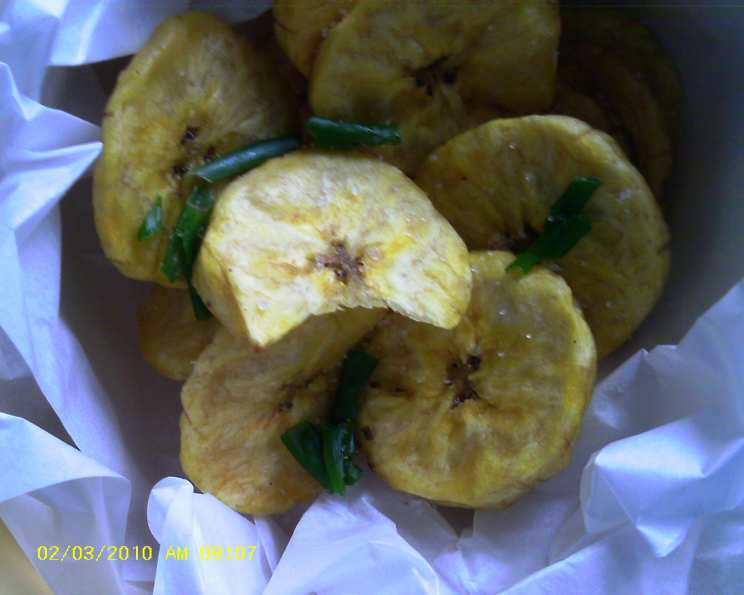
The Golden Embrace: Mastering the Art of Fried Yellow Plantains
There’s a particular kind of magic that happens when a plantain reaches its peak yellowness. For me, it conjures up sun-drenched afternoons in my grandmother’s kitchen, the air thick with the sweet, comforting aroma of frying. She’d always have a batch of these golden slices ready to be devoured, a simple yet profoundly satisfying accompaniment to her savory stews. The contrast of their caramelized sweetness against the savory notes of the main dish was, and still is, pure culinary poetry. It’s a taste of home, a whisper of childhood, and a testament to the incredible transformation that happens when simple fruit meets hot oil.
Recipe Overview
- Prep Time: 10 minutes
- Cook Time: 10 minutes
- Total Time: 20 minutes
- Servings: 4
- Yield: Approximately 8-12 slices
- Dietary Type: Vegan, Gluten-Free, Dairy-Free
Ingredients
- 2 yellow plantains
- ½ cup oil, for shallow frying (vegetable, canola, or coconut oil work well)
- Fresh chives, finely chopped, to garnish (optional)
Equipment Needed
- Small sharp knife
- Large frying pan
- Paper towels
- Serving platter
Instructions
The transformation of a humble plantain into a golden, sweet delight is remarkably straightforward, requiring only a few key steps executed with a touch of care.
- Prepare the Plantains: Begin by taking a small sharp knife and carefully cutting off both ends of each yellow plantain. Once the ends are removed, cut each plantain in half.
- Score the Skin: For each halved plantain, you’ll want to carefully slit just the skin along the natural ridges. This scoring makes the peeling process much easier and cleaner.
- Peel the Plantains: Now, gently ease up the edge of the skin you just slit. Run the tip of your thumb along the inside of the skin, lifting it away from the plantain flesh. Continue this process until you have gently peeled away the skin from both halves.
- Slice the Plantains: Once peeled, slice the plantains lengthwise. Aim for slices that are roughly ¼ to ½ inch thick. This uniform thickness ensures even cooking.
- Heat the Oil: Place a large frying pan over medium-high heat. Add just enough oil to create a shallow layer; you want enough for the plantain slices to fry, but not so much that they are submerged.
- Fry the Plantains: Once the oil is shimmering and hot (a small piece of plantain dropped in should sizzle immediately), carefully add the plantain slices to the pan in a single layer. Avoid overcrowding the pan, as this will steam the plantains rather than fry them, leading to a less desirable texture. You may need to fry them in batches.
- Cook to Golden Brown: Fry the plantain slices for 2-3 minutes on each side until they achieve a beautiful golden brown color and become slightly crisp. Keep an eye on them, as they can go from perfectly golden to overcooked quite quickly.
- Drain and Serve: As each batch is done, use a slotted spoon or tongs to remove the fried plantain slices from the pan. Drain them on paper towels to absorb any excess oil.
- Garnish and Enjoy: Arrange the warm, golden plantain slices on a serving platter. If desired, sprinkle them with finely chopped fresh chives for a touch of herbaceous freshness. These are best served hot or cold, allowing you to enjoy their delightful texture and sweetness at your preference.
Expert Tips & Tricks
- The Sweetness Spectrum: The key to these fried plantains is their ripeness. Yellow plantains are perfect for a balanced sweet and slightly starchy flavor. If you find them to be too sweet for your liking, you can opt for plantains that are just beginning to show a few black spots. Conversely, for an intensely sweet and almost dessert-like treat, choose plantains that are heavily speckled or almost entirely black.
- Oil Temperature is Crucial: Too cool, and your plantains will absorb too much oil, becoming greasy. Too hot, and they’ll burn on the outside before cooking through. Aim for that gentle, consistent sizzle when you add the plantains.
- Don’t Overcrowd: I cannot stress this enough. Giving each plantain slice ample space in the pan is paramount for achieving that lovely crisp exterior. If you overcrowd, you’ll end up with a steamed, mushy result, which is a far cry from the delightful crispness we’re after.
- The Paper Towel Brigade: Always have your paper towels ready. Draining the fried plantains immediately after they come out of the pan is essential for removing excess grease and ensuring they retain their crispness.
Serving & Storage Suggestions
Fried yellow plantains are incredibly versatile. They make a superb side dish for a variety of savory main courses, from grilled meats and fish to hearty vegetarian curries and rice dishes. Their natural sweetness provides a wonderful counterpoint to spicy or salty flavors. For a lighter snack, they can be enjoyed on their own.
Leftovers can be stored in an airtight container in the refrigerator for up to 2 days. While they are best enjoyed fresh, they can be gently reheated in a dry skillet over low heat or in a toaster oven to revive some of their crispness. Microwaving is not recommended, as it tends to make them soft and gummy.
Nutritional Information
The nutritional information for fried plantains can vary significantly based on the amount of oil absorbed during frying and the ripeness of the plantain. This is an estimated breakdown.
| Nutrient | Amount per Serving (approx. 4-6 slices) | % Daily Value |
|---|---|---|
| Calories | 350.1 kcal | – |
| Calories from Fat | – | 71% |
| Total Fat | 27.6 g | 42% |
| Saturated Fat | 3.7 g | 18% |
| Cholesterol | 0 mg | 0% |
| Sodium | 3.6 mg | 0% |
| Total Carbohydrate | 28.5 g | 9% |
| Dietary Fiber | 2.1 g | 8% |
| Sugars | 13.4 g | 53% |
| Protein | 1.2 g | 2% |
Variations & Substitutions
While the classic preparation of fried yellow plantains is hard to beat, here are a few ideas to switch things up:
- Spiced Plantains: For a touch of warmth, toss your sliced plantains with a pinch of cinnamon or nutmeg before frying.
- Savory Finish: Instead of sweet chives, try garnishing with a sprinkle of smoked paprika or a tiny pinch of cayenne pepper for a hint of heat.
- Coconut Kiss: If you enjoy the tropical flavors, consider frying your plantains in coconut oil. This imparts a subtle, delightful coconut essence.
FAQs
Q: What is the best ripeness for plantains when frying them?
A: For fried yellow plantains, look for plantains that are bright yellow with no green remaining. They should feel firm but yield slightly to gentle pressure. The riper the plantain, the sweeter and softer the interior will be.
Q: Why are my fried plantains turning out greasy?
A: Greasiness usually indicates that the oil was not hot enough when the plantains were added, or the pan was overcrowded. Ensure your oil is at the correct temperature and fry in batches.
Q: Can I use green plantains for frying?
A: Yes, but the flavor and texture will be very different. Green plantains are starchier and less sweet, and they will yield a savory, chip-like result rather than the sweet, soft interior of yellow plantain fries.
Q: How can I make sure my plantains cook evenly?
A: Slicing the plantains to a consistent thickness is key. Aim for about ¼ to ½ inch for even cooking. Also, ensure they are in a single layer in the pan.
Q: Are fried yellow plantains healthy?
A: While plantains themselves are nutritious, containing vitamins and fiber, frying them in oil does add fat and calories. Enjoy them in moderation as part of a balanced diet.
Final Thoughts
Fried yellow plantains are more than just a side dish; they are a celebration of simple ingredients transformed by heat and time. They represent a culinary bridge, connecting vibrant cultures and offering a taste of sunshine in every bite. I encourage you to try this recipe, to experience the joy of their sweet, caramelized crunch, and to discover how a few humble plantains can elevate any meal. Share them with loved ones, or savor them as a personal treat – either way, they are sure to bring a golden glow to your table.