
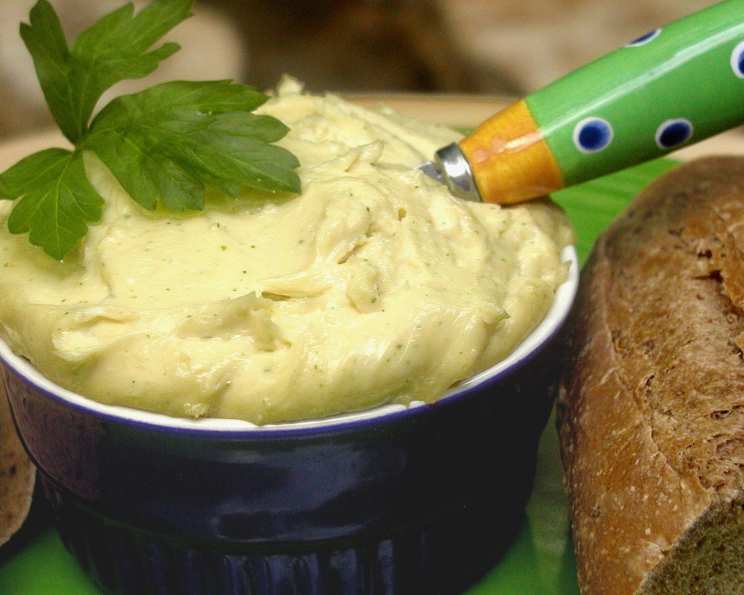
Fromage Fort: The Glorious Alchemy of Leftover Cheese
There are some dishes that taste of pure providence, born from necessity and elevated to culinary artistry. Fromage Fort is precisely that. I remember a particularly generous cheese board after a dinner party, brimming with intriguing wedges and forgotten corners of cheese. Instead of letting them languish, a mentor of mine, a brilliant French woman with an innate understanding of flavor, showed me the magic of Fromage Fort. She spoke of it not as a recipe, but as a philosophy – a way to honor every last crumb, transforming disparate remnants into a cohesive, deeply satisfying spread. The aroma that filled her kitchen that day, a rich tapestry of aged dairy, garlic, and wine, is a memory I still cherish. It was a revelation: proof that even the most humble ingredients, when treated with respect and a touch of culinary alchemy, can become something truly extraordinary.
Recipe Overview
- Prep Time: 10 minutes
- Cook Time: 0 minutes (no cooking required)
- Total Time: 10 minutes
- Servings: 8-10
- Yield: 2 cups
- Dietary Type: Dairy
Ingredients
The beauty of Fromage Fort lies in its adaptability, but here’s the foundational blend that will bring forth its robust character:
- 1 lb cheese, at room temperature. This is your canvas. Aim for a combination of 3-4 varieties for complexity. Consider firm, aged cheeses like Cheddar, Parmesan, or Manchego, balanced with softer, creamier options like Brie or Fontina. A touch of something tangy like Feta can add a delightful accent, but be mindful of its saltiness. Avoid cheeses that are overwhelmingly salty in combination.
- 1/4 cup dry white wine. A crisp Sauvignon Blanc or a dry Pinot Grigio works beautifully. Alternatively, a dry vermouth, as I’ve found to be a delightful substitute, offers a unique herbal depth.
- 3 tablespoons unsalted butter, softened. This enriches the texture and bridges the flavors of the cheeses.
- 2 tablespoons fresh parsley leaves. Fresh herbs are key to lifting the richness and adding a bright counterpoint.
- 1 small garlic clove. Use this judiciously; its pungent aroma should be a whisper, not a shout.
Equipment Needed
- Food processor
- A good sharp knife and cutting board (if you opt to dice some cheeses)
- Spatula for scraping down the processor bowl
- Airtight container for storage
Instructions
The process of creating Fromage Fort is remarkably simple, a testament to its resourceful origins.
- Prepare the Cheeses: Begin by removing any rinds from your hard cheeses. If using cheeses like Parmesan or Cheddar, grate them. For softer cheeses such as Brie or Fontina, cut them into roughly 1/2-inch cubes. If you have a powerful food processor, there’s no strict need to grate harder cheeses beforehand; simply cutting all cheeses into cubes will suffice, allowing the processor to do the work.
- Combine and Process: Place the prepared cheese, dry white wine (or vermouth), softened unsalted butter, fresh parsley leaves, and the small garlic clove into the bowl of your food processor.
- Blend to Perfection: Process the mixture for approximately 2 minutes, or until it achieves a smooth, spreadable consistency. You’re aiming for a luxurious texture that’s not too stiff but holds its shape. If your mixture seems excessively thick as the processor runs, don’t hesitate to add a little more dry white wine, a tablespoon at a time, until you reach your desired consistency. I often find myself adding a touch more than the initial recipe calls for, especially if my cheese blend is particularly firm.
- Chill (Optional but Recommended): While you can serve the Fromage Fort immediately, I highly recommend refrigerating it for an hour or two. This allows the flavors to meld beautifully and the consistency to firm up, making it easier to spread and enhancing its overall character.
Expert Tips & Tricks
- The Cheese Blend is Key: The success of Fromage Fort hinges on the thoughtful selection of cheeses. Aim for a balance of textures and flavors. A good starting point is a majority of firm, aged cheeses (like cheddar, gruyere, or manchego) with a smaller proportion of something softer and creamier (like brie or camembert) to ensure a smooth, luxurious spread. Avoid using too many sharp or salty cheeses together, as this can overpower the delicate balance.
- Room Temperature is Crucial: Ensure your cheeses are at room temperature before processing. This will significantly help them blend smoothly and prevent the food processor from working too hard.
- Taste and Adjust: Don’t be afraid to taste the mixture before chilling. If it seems a bit bland, a tiny pinch of salt or a touch more wine can make a world of difference. Conversely, if it’s too sharp, a little more butter can soften the edges.
- Garlic Power: The garlic clove should be small. If you’re sensitive to raw garlic, you can lightly roast the clove before adding it to mellow its intensity.
- Herb Freshness: Using fresh parsley is non-negotiable here. Dried herbs simply won’t provide the same vibrant, fresh lift needed to cut through the richness of the cheese.
Serving & Storage Suggestions
Fromage Fort is a versatile spread that begs to be shared. Serve it chilled or at room temperature. It’s magnificent on crusty baguette slices, hearty crackers, or toasted sourdough bread. It also makes an exceptional dip for crudités like crisp celery sticks, vibrant bell pepper strips, and sweet cherry tomatoes. For a more elegant presentation, dollop it into small ramekins and garnish with a sprig of fresh parsley or a drizzle of olive oil.
Leftovers can be stored in an airtight container in the refrigerator for up to 1 week. Its flavor often intensifies over the first day or two, making it even more delicious.
Nutritional Information
| Nutrient | Amount per Serving (approx.) | % Daily Value (approx.) |
|---|---|---|
| Calories | 233 kcal | 12% |
| Total Fat | 18.2 g | 23% |
| Saturated Fat | 11.5 g | 57% |
| Cholesterol | 47.8 mg | 16% |
| Sodium | 550.2 mg | 24% |
| Total Carbohydrate | 5.1 g | 2% |
| Dietary Fiber | 0 g | 0% |
| Sugars | 0.1 g | 0% |
| Protein | 11.3 g | 23% |
Note: Nutritional values are estimates and will vary based on the specific types and quantities of cheese used.
Variations & Substitutions
The true artistry of Fromage Fort is in its boundless potential for variation.
- Spice it Up: For a touch of heat, add a pinch of cayenne pepper or a few drops of your favorite hot sauce during processing.
- Nutty Addition: A tablespoon or two of finely chopped walnuts or pecans can add a delightful crunch and earthy flavor.
- Herb Garden: Experiment with other fresh herbs like chives, tarragon, or thyme. A small amount of rosemary can also be lovely with heartier cheeses.
- Onion Accent: A very small amount of finely minced shallot can add a subtle sweetness and depth. Be careful not to overpower the cheese.
- Boozy Twist: While white wine or vermouth are traditional, a splash of brandy or sherry can introduce a different layer of complexity.
FAQs
Q: What kind of cheeses work best for Fromage Fort?
A: A blend of 3-4 cheeses is ideal. Aim for a mix of firm, aged cheeses and some softer varieties. Avoid combinations that are overly salty.
Q: Can I make Fromage Fort without a food processor?
A: While a food processor is the easiest method, you could finely grate all cheeses and vigorously whisk them with the softened butter, wine, and herbs until a paste forms. It will require more effort.
Q: How long does Fromage Fort last?
A: It can be stored in an airtight container in the refrigerator for up to one week.
Q: Can I freeze Fromage Fort?
A: While technically possible, freezing can alter the texture, making it slightly grainy upon thawing. It’s best enjoyed fresh or refrigerated.
Q: What’s the best way to serve Fromage Fort?
A: Serve it as a spread on bread or crackers, as a dip for vegetables, or even as a flavorful topping for baked potatoes.
Final Thoughts
Fromage Fort is more than just a recipe; it’s an ode to resourcefulness and the profound joy of transforming overlooked ingredients into something spectacular. It’s a dish that encourages creativity, inviting you to delve into your cheese drawer and coax out new harmonies. So, the next time you find yourself with those irresistible odds and ends of cheese, remember the alchemy of Fromage Fort. Embrace the process, trust your palate, and savor the rich, complex reward. It’s a humble dish with an extraordinary ability to elevate any gathering, or simply bring a moment of pure, unadulterated deliciousness to your day. Enjoy the journey!