
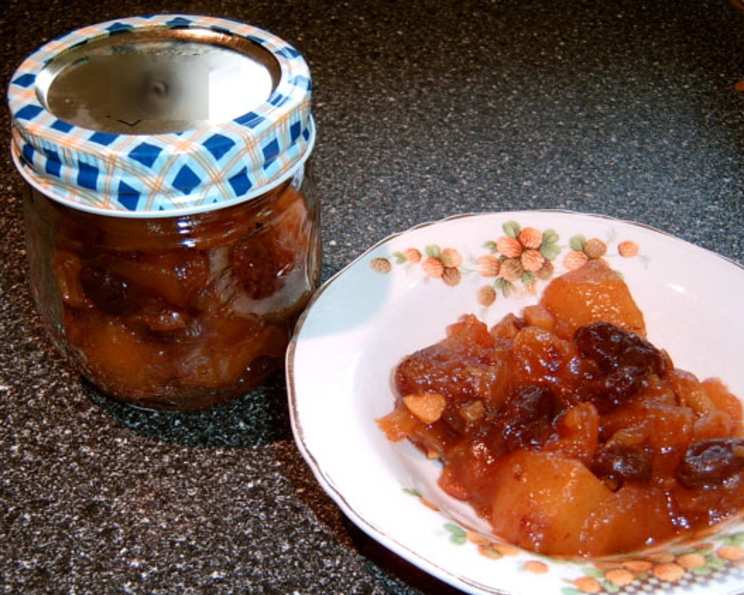
Zwt South African Fruit Chutney: A Tangy Treasure for Your Pantry
There’s a certain magic that happens when humble dried fruits, a touch of spice, and the slow simmer of a stovetop converge. For me, South African fruit chutney evokes a particular warmth, reminiscent of my grandmother’s bustling kitchen. The aroma, a complex dance of sweet, tart, and subtly spicy, would fill the air for hours as she tended to her bubbling pots. It wasn’t just a condiment; it was an anticipation, a promise of delightful accompaniments to everything from a simple braai to a fragrant curry. The very act of making it felt like an ancient ritual, a preservation of flavor and a connection to generations past.
Recipe Overview
- Prep Time: 20 minutes (plus overnight soaking)
- Cook Time: 1 hour 30 minutes
- Total Time: 1 hour 50 minutes (plus maturing time)
- Servings: N/A (Yields approximately 3 lbs)
- Yield: About 1.5 kg
- Dietary Type: Vegan, Dairy-Free, Gluten-Free
Ingredients
- 1 lb brown sugar
- 1/2 lb dried pears, chopped
- 1/2 lb dried apricot, chopped
- 1/2 lb dates, pitted and chopped
- 1/2 lb dried apple rings, chopped
- 1/2 lb sultanas
- 1 cup onion, finely chopped
- 4 cups water
- 3 cloves garlic, crushed
- 2 cups cider vinegar
- 1 teaspoon chili powder
- 1/2 teaspoon turmeric
- 1/2 teaspoon nutmeg, freshly grated
- 1/2 teaspoon ginger, freshly ground
Equipment Needed
- Large mixing bowl
- Heavy-bottomed saucepan
- Sterilized jars with airtight plastic lids
- Measuring cups and spoons
- Chopping board and knife
Instructions
- Begin by chopping all the dried fruits, with the exception of the sultanas, into small, manageable pieces. This ensures they will soften and meld beautifully during the cooking process.
- In a large mixing bowl, combine the chopped dried fruit (excluding the sultanas) with the 4 cups of water. Cover the bowl tightly and allow this mixture to soak overnight. This crucial step rehydrates the fruit, laying the foundation for a smooth and well-textured chutney.
- The next morning, do not drain the fruit. Add the sultanas, 1 cup of chopped onion, the 3 crushed garlic cloves, 2 cups of cider vinegar, 1 teaspoon of chili powder, 1/2 teaspoon of turmeric, 1/2 teaspoon of freshly grated nutmeg, and 1/2 teaspoon of freshly ground ginger to the bowl with the soaked fruit.
- Transfer the entire mixture to a heavy-bottomed saucepan. Place the saucepan over low heat.
- Begin to stir constantly until the brown sugar has completely dissolved into the liquid. It’s important to ensure all the sugar granules are gone before proceeding.
- Once the sugar is dissolved, increase the heat to bring the mixture to a boil.
- As soon as it reaches a rolling boil, immediately reduce the heat to a gentle simmer.
- Allow the chutney to simmer uncovered for approximately 1 hour and 30 minutes. You’ll want to stir occasionally to prevent it from sticking to the bottom of the pan. The chutney is ready when it has thickened to your desired consistency. It should be viscous, not watery, coating the back of a spoon.
- While the chutney is still hot, carefully pour it into sterilized jars. Fill each jar to about ½ inch below the top.
- Seal the jars immediately with airtight plastic lids. It is imperative to use plastic lids, as the acidity of the vinegar and spices can corrode metal lids, potentially affecting the chutney’s quality and safety.
- Allow the chutney to mature in a cool, dark, dry place for 6 to 8 weeks before using. This aging process allows the flavors to deepen, meld, and develop their full complexity.
Expert Tips & Tricks
The key to a truly exceptional chutney lies in the quality of your ingredients and a little patience. When selecting your dried fruits, opt for those without added preservatives where possible for a purer flavor. The overnight soak is non-negotiable; it’s the secret to preventing a gritty texture. When simmering, a heavy-bottomed pan is your best friend. It distributes heat evenly, significantly reducing the risk of scorching, which can impart an unpleasant burnt flavor. Keep a close eye on the consistency during the final stages of simmering. Chutney thickens as it cools, so it might seem a touch looser when hot than it will be once fully matured. Don’t be tempted to rush the maturing process! This waiting period is essential for the symphony of flavors to truly harmonize.
Serving & Storage Suggestions
This versatile fruit chutney is a culinary chameleon. It shines as a vibrant accompaniment to curries, adding a sweet and tangy counterpoint to rich, savory dishes. It’s also fantastic with rice dishes, cutting through richness and adding an exciting flavor dimension. Don’t limit yourself; try it with grilled meats, roasted vegetables, or even spread on a cheese board. The possibilities are endless!
Once bottled, this chutney is remarkably shelf-stable and will keep in a cool, dark, dry place for at least a year, if not longer, as long as the seal remains intact. Once opened, refrigerate the chutney and consume within 3-4 weeks for optimal freshness and flavor.
Nutritional Information
While a precise nutritional breakdown can vary based on exact ingredient brands and quantities, here’s an estimated profile per serving (assuming a yield of 3 lbs and serving size is a few tablespoons):
| Nutrient | Amount per Serving | % Daily Value |
|---|---|---|
| Calories | ~4935.6 kcal | N/A |
| Total Fat | 6.4 g | 9% |
| Saturated Fat | 1.1 g | 5% |
| Cholesterol | 0 mg | 0% |
| Sodium | 519 mg | 21% |
| Total Carbohydrate | 1270.3 g | 423% |
| Dietary Fiber | 84.6 g | 338% |
| Sugars | 1117.3 g | 4469% |
| Protein | 29.9 g | 59% |
Note: The high sugar content reflects the natural sugars in the fruit and the addition of brown sugar, which is characteristic of traditional chutneys.
Variations & Substitutions
While this recipe is a classic, feel free to experiment! If you can’t find specific dried fruits, feel free to substitute with others like dried cranberries, prunes, or figs. A small addition of raisins can also be a welcome addition. For a spicier kick, increase the chili powder or add a pinch of cayenne pepper. Some cooks also like to add a few whole peppercorns or a split cinnamon stick during the simmering process for an extra layer of warmth.
FAQs
Q: Why do I need to soak the dried fruit overnight?
A: Soaking rehydrates the fruit, ensuring a tender texture and preventing the chutney from becoming dry or gritty.
Q: Can I use metal lids for the jars?
A: No, it’s strongly advised to use plastic lids. The acidity in the chutney can corrode metal lids over time, compromising the seal and potentially the chutney’s safety.
Q: How long does the chutney need to mature before it’s ready to eat?
A: For the best flavor development, allow the chutney to mature for at least 6 to 8 weeks in a cool, dark, dry place.
Q: My chutney seems too thin after cooking. What did I do wrong?
A: Chutney thickens as it cools. If it still seems excessively watery after cooling completely, you can gently simmer it further, uncovered, until it reaches your desired consistency, then re-sterilize and jar.
Q: Can I freeze this chutney?
A: While possible, freezing can sometimes alter the texture of chutneys. Refrigeration is the preferred method for long-term storage.
Final Thoughts
Crafting your own South African fruit chutney is a rewarding endeavor that yields a treasure for your pantry. The aroma that fills your kitchen as it simmers is an invitation to culinary adventures, and the resulting condiment is a testament to the power of simple ingredients transformed by time and heat. Spoon this vibrant chutney alongside your favorite dishes, and savor the complex, delightful notes it brings. I’d love to hear about your chutney creations and how you enjoy them!