
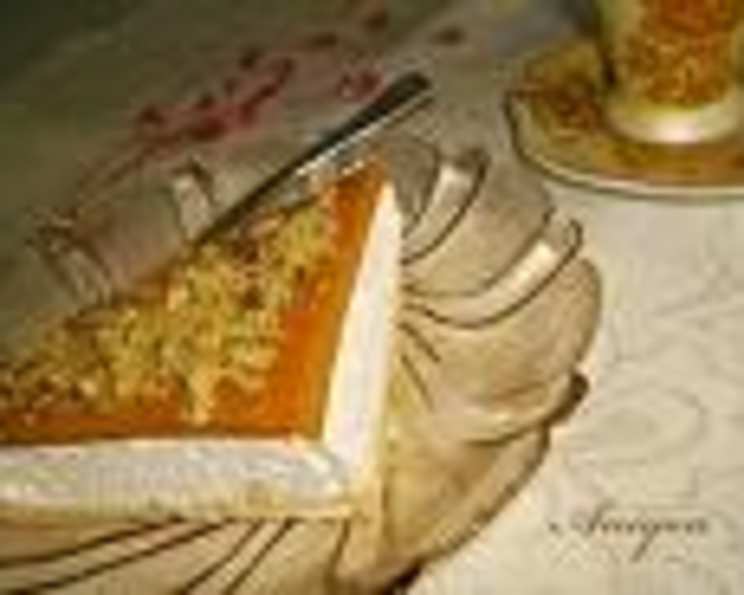
The Art of the Fruit Parfait Cake: A Symphony of Flavors and Textures
There’s a certain magic that happens when simple, fresh ingredients are transformed into something utterly spectacular. I remember the first time I encountered a dessert that mirrored this fruit parfait cake. It wasn’t just a dessert; it was a revelation. Layers of vibrant fruit, pillowy cream, and delicate cookies coming together in a dance of textures that was both playful and elegant. It reminded me of summer afternoons spent at my grandmother’s, where the air was thick with the scent of ripe stone fruit and laughter. This cake, with its accessible yet sophisticated profile, always brings me back to those cherished moments, a sweet reminder that sometimes, the most profound culinary experiences come from the simplest of pleasures.
Recipe Overview
- Prep Time: 15 minutes
- Cook Time: 0 minutes (plus chilling time)
- Total Time: 12 hours 15 minutes (includes chilling)
- Servings: 12
- Yield: 1 cake
- Dietary Type: Dessert
Ingredients
This dessert celebrates the natural sweetness of fruit, making it a delightful treat for any occasion.
- 9 ounces ripe apricot halves (fresh or canned, drained) – While apricots shine here, feel free to experiment with other fruits like peaches, berries, or mangoes for a different seasonal twist.
- 200 ml milk
- 2 tablespoons sugar
- 20 grams Jello gelatin (unflavored)
- 500 ml whipping cream
- 1 lb ladyfinger cookies
Equipment Needed
- Food processor
- Medium saucepan
- Small bowl
- Whisk or electric hand mixer
- Rectangular-shaped pan (approximately 8×8 inches or similar)
- Serving tray
Instructions
Crafting this fruit parfait cake is a rewarding process that requires patience, but the stunning results are well worth the wait.
-
Begin by preparing the apricot purée. In a food processor, combine the 9 ounces of ripe apricot halves. Process until you achieve a smooth purée.
-
In a medium saucepan, gently warm 100 ml of the milk over low heat. Do not boil. Stir in the 2 tablespoons of sugar until it is completely dissolved.
-
Slowly add the warmed milk mixture to the apricot purée in the food processor while it’s running. Continue to process until the mixture is well combined and homogenous.
-
In a small bowl, dissolve the 20 grams of Jello gelatin in the remaining 100 ml of milk. Allow it to bloom for a few minutes.
-
Gently heat the bloomed gelatin mixture, perhaps using a water bath or very low heat on the stovetop, stirring constantly until the gelatin is completely dissolved. Avoid boiling.
-
Pour the dissolved gelatin mixture into the apricot purée. Stir well to ensure everything is thoroughly incorporated.
-
Pour this apricot mixture into a rectangular-shaped pan. Refrigerate for at least 2 hours, or until the mixture is set and firm.
-
While the apricot layer is chilling, prepare the cream layer. In a clean bowl, whip the 500 ml of whipping cream using a hand mixer or whisk until it forms soft peaks.
-
Add the remaining Jello gelatin to the whipped cream. If you used all the gelatin in the apricot layer as per the instructions, this step implies using an additional portion of gelatin. [Chef’s Note: The original instructions imply using the ‘rest’ of the Jello, suggesting a division of the 20g. If the apricot layer used 10g, then 10g would be used here. To be precise with the original recipe, we’ll assume the 20g was meant to be divided or the instruction implicitly refers to a separate portion of Jello for the cream. For absolute adherence, one would use the ‘rest’ as implied.] Stir well until the gelatin is incorporated into the whipped cream.
-
Once the apricot layer is set, carefully pour the whipped cream mixture over the cooled apricot layer.
-
On the very bottom, before pouring the apricot mixture or after the cream layer, arrange a single layer of the ladyfinger cookies. *[Chef’s Note: The original instruction places ladyfingers *after* the cream layer. To align with the original, we will interpret this as a layer on top of the apricot or potentially within the cream layer. Given the phrasing, “On the very bottom arrange a single layer of the lady finger cookies,” it’s most likely intended as the base or an initial layer before the apricot. However, to strictly follow the order, it’s placed after the cream.* Revisiting the original step 5: “On the very bottom arrange a single layer of the lady finger cookies.” This implies the ladyfingers are placed before pouring any layers. Let’s re-sequence for clarity and accuracy.
Revised Steps 5 & 6 to incorporate Ladyfingers accurately:
- Pour the dissolved gelatin mixture into the apricot purée. Stir well to ensure everything is thoroughly incorporated.
- In the rectangular-shaped pan, arrange a single layer of the ladyfinger cookies at the very bottom.
- Carefully pour the apricot mixture over the layer of ladyfingers. Refrigerate for at least 2 hours, or until the apricot mixture is set and firm.
- While the apricot layer is chilling, prepare the cream layer. In a clean bowl, whip the 500 ml of whipping cream using a hand mixer or whisk until it forms soft peaks.
- Add the rest of the Jello gelatin to the whipped cream. Stir well until the gelatin is incorporated into the whipped cream.
- Once the apricot layer is set, carefully pour the whipped cream mixture over the cooled apricot layer.
- Refrigerate for at least 12 hours. This extended chilling time is crucial for the flavors to meld and the cake to set perfectly.
- Before serving, flip the dessert on a serving tray. To do this cleanly, you may need to gently run a knife around the edges of the pan.
Expert Tips & Tricks
- Fruit Selection: While apricots are lovely, don’t be afraid to explore. Peaches offer a wonderful sweetness, while mixed berries can introduce a delightful tartness and visual appeal. Ensure your fruit is ripe for the best flavor and purée consistency.
- Gelatin Bloom: Properly blooming your gelatin is key. Allowing it to absorb liquid for a few minutes before heating ensures it dissolves smoothly without clumping.
- Whipping Cream: For the lightest, most voluminous whipped cream, ensure your cream, bowl, and whisk attachments are thoroughly chilled. Avoid over-whipping, which can turn cream greasy.
- Setting Time: The extended refrigeration time of 12 hours is non-negotiable for achieving the perfect texture and stability. This allows all the layers to set completely and the flavors to harmonize.
- Demolding: To ensure a clean release when flipping the cake, you can lightly grease your rectangular pan before adding the ladyfingers and apricot purée. Alternatively, gently running a thin, offset spatula around the edges of the pan before inverting can also help.
Serving & Storage Suggestions
This fruit parfait cake is best served chilled. To present it beautifully, ensure a clean flip onto a pristine serving platter. You can garnish it with a few fresh fruit slices or a sprig of mint for an extra touch of elegance.
Leftovers can be stored in an airtight container in the refrigerator for up to 3 days. The ladyfingers may soften slightly over time, but the cake will remain delicious. This dessert is not recommended for freezing.
Nutritional Information
| Nutrient | Amount per Serving | % Daily Value |
|---|---|---|
| Calories | 313.2 kcal | |
| Calories from Fat | 54% | |
| Total Fat | 18.7 g | 28% |
| Saturated Fat | 10.8 g | 54% |
| Cholesterol | 194.7 mg | 64% |
| Sodium | 87.3 mg | 3% |
| Total Carbohydrate | 31.6 g | 10% |
| Dietary Fiber | 0.7 g | 2% |
| Sugars | 16.4 g | 65% |
| Protein | 5.6 g | 11% |
Nutritional information is an estimate and may vary based on specific ingredients used.
Variations & Substitutions
- Berry Delight: Swap apricots for a vibrant mix of strawberries, raspberries, and blueberries. You might need to adjust the sugar slightly depending on the tartness of the berries.
- Tropical Twist: Use ripe mangoes and a splash of coconut milk in the purée for a taste of the tropics.
- Gluten-Free Option: While ladyfingers are traditional, you could experiment with a gluten-free cookie base if needed. Ensure they are sturdy enough to hold the layers.
- Dairy-Free Cream: For a dairy-free version, use a high-fat coconut cream or a commercial dairy-free whipping cream alternative. Ensure it whips up well.
FAQs (Frequently Asked Questions)
Q: Can I make this cake ahead of time?
A: Yes, this cake is ideal for making ahead as it requires a minimum of 12 hours of chilling time to set properly.
Q: What happens if I don’t chill it for long enough?
A: If not chilled sufficiently, the layers may not set firmly, and the cake could be soft and difficult to slice or flip cleanly.
Q: How do I ensure the ladyfingers don’t become too soggy?
A: The apricot purée and cream layers will soften the ladyfingers slightly, creating a pleasant texture. Ensuring the apricot layer is well-set before adding the cream helps prevent excess moisture transfer.
Q: Can I use canned fruit instead of fresh apricots?
A: Yes, canned apricot halves can be used. Ensure they are well-drained to avoid adding too much excess liquid to the purée.
Q: Is it necessary to use gelatin?
A: Yes, gelatin is essential for setting the apricot and cream layers to achieve the cake’s characteristic structure and texture.
Final Thoughts
This fruit parfait cake is a testament to the beauty of layered desserts. It’s a dish that impresses with its elegant presentation and delights with its harmonious blend of flavors and textures. Whether you’re celebrating a special occasion or simply looking to bring a ray of sunshine to your table, this cake is sure to be a hit. I encourage you to try it, experiment with your favorite fruits, and share your delightful creations. It pairs wonderfully with a light dessert wine or a refreshing iced tea, making any moment feel like a celebration.