
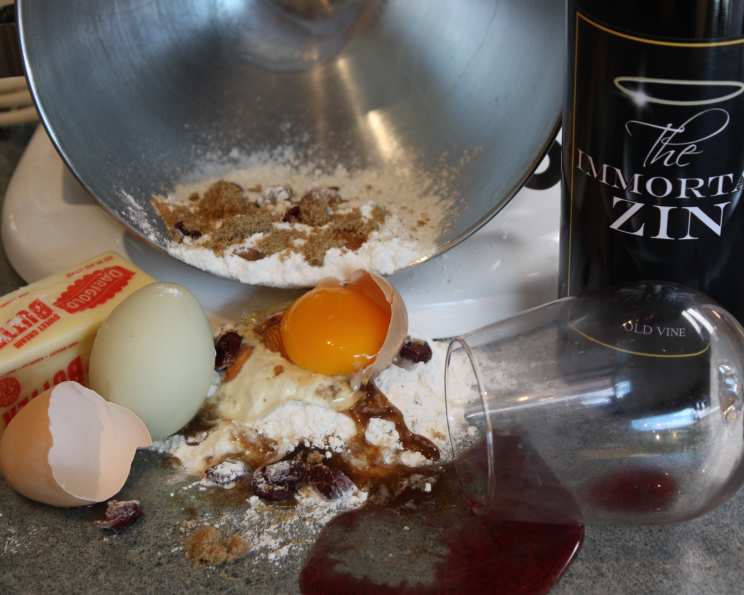
The Enchanting, Elusive Fruitcake: A Chef’s Journey to Understanding
There are few desserts that evoke as much immediate and polarized reaction as fruitcake. For me, it’s a taste woven into the fabric of my childhood holidays. I recall the dark, dense loaves that appeared on my grandmother’s sideboard each December, their aroma a complex medley of spice, dried fruit, and something decidedly boozy. While some relatives would shy away, calling it too rich or too strange, I was always drawn to its mysterious allure. It wasn’t just a dessert; it was an edible artifact, a testament to time, patience, and a generous pour of spirits. My grandmother, a woman of unwavering culinary conviction, would simply smile knowingly and offer me a sliver, its sweetness and intensity a comforting constant in the whirlwind of the season. She understood that this was not a cake for the faint of heart, but for those who appreciated depth, character, and the slow magic of maturation.
Recipe Overview
- Prep Time: 2 hours
- Cook Time: Variable (see instructions)
- Total Time: 2 hours + soaking time
- Servings: 1 (referring to a single, large cake)
- Yield: 1 large fruitcake
- Dietary Type: Traditional
Ingredients
This fruitcake is a celebration of richness and a testament to the power of time. The ingredients are designed to create a dense, moist, and intensely flavored cake that improves with age.
- 1 cup water
- 1 cup butter
- 1 cup sugar
- 4 large eggs
- 2 cups dried fruit (a mix of raisins, currants, glacé cherries, candied peel, etc.)
- 1 teaspoon baking soda
- 1 teaspoon salt
- 1 teaspoon vanilla extract
- 1 cup brown sugar
- 2 cups flour
- 1 tablespoon lemon juice
- 1 cup nuts, chopped (walnuts, pecans, or almonds are excellent choices)
- 1 gallon wine (a robust red wine like port or sherry is ideal for soaking and flavor)
Equipment Needed
- Large mixing bowls
- Electric mixer (stand or hand mixer)
- Screwdriver (for potential fruit extraction from mixer)
- Measuring cups and spoons
- Sifter
- Cake pan (various sizes can be used, as indicated in instructions)
- Oven
- Wire cooling rack
Instructions
The creation of a traditional fruitcake is a process that demands patience and a good sense of humor. While the steps may seem unconventional, they are integral to achieving the unique character of this classic dessert.
- Begin by sampling the wine to check for quality. This is a crucial step in ensuring the integrity of the final product.
- Take a large bowl and set it aside.
- Check the wine again to make sure it remains of the highest quality.
- Pour 1 level cup of wine and drink it. This is part of the traditional preparation, ensuring you are adequately fueled for the task.
- Repeat step 4 if you are not sure about the wine’s quality.
- Turn on your electric mixer. In a large, fluffy bowl, beat the butter until it reaches a smooth, creamy consistency.
- Add the sugar to the beaten butter and beat again until well combined.
- Make sure the wine is still okay. If necessary, cry another cup (referring to pouring more wine) to maintain your confidence in its quality.
- Turn off the mixer.
- Break two eggs and add them to the bowl along with the vanilla extract and the cup of dried fruit.
- Mix on the turner (referring to the mixer’s mixing function).
- If the fruit gets stuck in the beaters, pry it loose with a screwdriver. This ensures all ingredients are incorporated.
- Sample the wine again to check for “tonsisticity” (a playful term for its character and potency).
- Next, sift 2 cups of salt or something. The recipe is intentionally vague here, suggesting a degree of flexibility.
- Check the wine.
- Now, sift the lemon juice and strain the nuts. This likely means adding the lemon juice through a sieve and ensuring only the chopped nuts are used, free of any fine dust.
- Add 1 tablespoon of sugar or flour or something. Again, this step allows for flexibility based on what is available or preferred.
- Grease the oven. This is a whimsical instruction, implying that the oven should be prepared and ready for baking.
- Turn the cake pan to 350 degrees. This step is slightly ambiguous; it likely means to preheat your oven to 350°F (175°C) and prepare your chosen cake pan.
- Throw one bowl outside the window. This is a humorous and eccentric step, perhaps meant to symbolize letting go of perfectionism or simply adding an element of surprise to the process.
- Check the wine again.
- Go to bed. This suggests the fruitcake requires time to rest or, more likely, that the process is complete and the cake needs to mature.
Important Note: The instructions for this fruitcake are highly unconventional and humorous. The “baking” instructions are not explicit. Traditional fruitcakes are often baked at lower temperatures for extended periods. Given the vague instructions regarding baking, it is recommended to research standard fruitcake baking times and temperatures if a tangible cake is desired. A common method is to bake at 300-325°F (150-160°C) for 1.5 to 3 hours, depending on the size and depth of the pan. The “wine” element suggests a long maturation period, often involving regularly “feeding” the cake with more wine.
Expert Tips & Tricks
The true magic of a great fruitcake lies not just in its baking, but in its maturation. Here are a few insights to elevate your creation:
- The Soaking Ritual: The mention of a gallon of wine is not for nothing! For a truly exceptional fruitcake, consider soaking your dried fruits in a generous amount of your chosen wine or spirits (like brandy or rum) for at least 24 hours, or even up to a week, before incorporating them into the batter. This plumps up the fruit and infuses it with flavor.
- The “Feeding” Process: Once baked and cooled, a traditional fruitcake benefits immensely from being “fed.” Prick the surface of the cake with a skewer and brush it generously with more wine or brandy every week or two for several months. Wrap it tightly in cheesecloth soaked in spirits, then in parchment paper, and finally in foil. This process creates an incredibly moist and intensely flavored cake that is truly a labor of love.
- Pan Preparation is Key: Ensure your cake pan is thoroughly greased and floured, or lined with parchment paper. Given the density of fruitcake, it can be prone to sticking.
- Low and Slow is the Way: Fruitcakes are not meant to be rushed. Baking at a lower temperature for a longer duration allows the cake to cook through evenly without burning the exterior.
- Patience is a Virtue: The best fruitcakes are made well in advance of when they are intended to be eaten. Allow at least a month, and ideally several months, for the flavors to meld and deepen.
Serving & Storage Suggestions
Serving a well-made fruitcake is an event in itself.
- Serving: For special occasions, serve thin slices of fruitcake at room temperature. It pairs wonderfully with a strong cup of coffee, a robust tea, or a small glass of the same spirit used in its preparation. Some enjoy it with a dollop of whipped cream or a smear of sharp cheddar cheese, a surprisingly delightful combination.
- Storage: Properly stored, fruitcake can last for a very long time. Once cooled, wrap it tightly in parchment paper and then in aluminum foil. Store it in a cool, dry place. If you’ve “fed” it with spirits, it can last for months, even years. For longer storage, you can also freeze it, well-wrapped, for up to a year. To revive a previously frozen or very aged cake, you can brush it with a little extra brandy or rum before serving.
Nutritional Information
The following nutritional information is an estimate and can vary significantly based on the specific types and quantities of dried fruits, nuts, and spirits used.
| Nutrient | Amount per Serving (approx.) | % Daily Value (approx.) |
|---|---|---|
| Calories | 9436.4 kcal | |
| Calories from Fat | 27% | |
| Total Fat | 278.2 g | 428% |
| Saturated Fat | 132.9 g | 664% |
| Cholesterol | 1232 mg | 410% |
| Sodium | 6747.4 mg | 281% |
| Total Carbohydrate | 1021.2 g | 340% |
| Dietary Fiber | 52.5 g | 209% |
| Sugars | 451.7 g | 1806% |
| Protein | 90.1 g | 180% |
Note: The daily values are based on a 2,000-calorie diet.
Variations & Substitutions
While the traditional fruitcake recipe is a classic for a reason, feel free to experiment!
- Fruit Medley: Customize your dried fruit blend to your preferences. Consider dried cranberries, apricots, figs, dates, or even small pieces of fresh citrus zest.
- Nut Selection: Almonds, hazelnuts, or even pistachios can offer different textures and flavors compared to walnuts or pecans.
- The Spirit of Choice: Instead of wine, you can soak your fruits and “feed” your cake with brandy, rum, whiskey, or even spiced apple cider for a non-alcoholic version (though the depth of flavor will be different).
- Spice Adjustments: Add a pinch of ground ginger, cardamom, or allspice to the dry ingredients for a more complex spice profile.
- Citrus Zest: Incorporate the zest of an orange or lemon into the batter for a brighter, fresher note.
FAQs (Frequently Asked Questions)
Q: Why is fruitcake sometimes considered a joke or disliked?
A: Historically, commercially produced fruitcakes were often dense, dry, and overly sweet, leading to a negative perception. However, homemade fruitcakes, made with quality ingredients and proper maturation, can be incredibly delicious.
Q: Can I make a fruitcake without alcohol?
A: Absolutely! You can soak the dried fruits in strong tea, fruit juice (like orange or apple), or even a simple syrup infused with spices. The alcohol primarily acts as a preservative and flavor enhancer, but delicious results can be achieved without it.
Q: How long does fruitcake actually last?
A: When properly made with sufficient alcohol and stored correctly, a fruitcake can last for years. It’s a dessert designed to age and improve over time.
Q: What kind of “dried fruit” should I use?
A: A good fruitcake typically uses a mix of fruits. Common choices include raisins, sultanas, currants, glacé cherries, candied orange peel, and candied lemon peel. Ensure they are good quality and not overly dried out.
Q: Is it really necessary to “feed” the fruitcake?
A: While not strictly necessary for a basic cake, “feeding” the fruitcake with spirits is what transforms it into a truly exceptional, moist, and deeply flavored dessert that can last for extended periods. It’s a traditional practice that yields remarkable results.
This fruitcake is more than just a recipe; it’s an experience. It’s a journey back in time, a nod to culinary traditions, and a testament to the fact that some of the most rewarding dishes require patience, a touch of eccentricity, and a good measure of spirit. So, embrace the unusual steps, savor the process, and prepare yourself for a fruitcake that might just change your mind about this misunderstood holiday classic.