
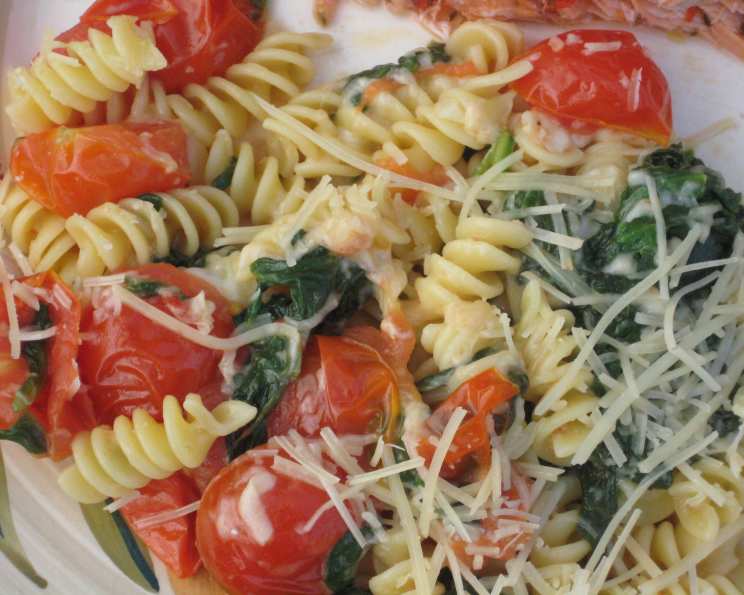
Fusilli with Spinach and Asiago: A Weeknight Wonder
There are certain dishes that, with their simplicity and vibrant flavors, become reliable anchors in a busy cook’s repertoire. For me, this Fusilli with Spinach and Asiago is precisely one of those culinary companions. I can vividly recall one particularly harried Tuesday evening, with my two young children, a four-year-old and a two-year-old, both with their famously discerning palates, staring expectantly at the dinner table. My husband was out of town, and the thought of crafting a complex meal felt utterly daunting. Yet, with a bag of fusilli, a few staples, and a generous amount of fresh spinach and fragrant Asiago, I whipped up this pasta dish. To my utter delight, both children, typically wary of anything green, devoured it with an enthusiasm I hadn’t seen since their last encounter with mac and cheese. It’s now a regular on our menu, often doubling the vegetables, a testament to its incredible balance of speed, health, and pure, unadulterated deliciousness.
Recipe Overview
- Prep Time: 15 minutes
- Cook Time: 15 minutes
- Total Time: 30 minutes
- Servings: 4
- Yield: 4 servings
- Dietary Type: Vegetarian
Ingredients
This recipe is a testament to the power of a few high-quality ingredients coming together harmoniously. The spiral shape of the fusilli is perfect for catching the light sauce and the finely grated cheeses, while the fresh spinach and burst of cherry tomatoes add both color and vital nutrients.
- 1 pound fusilli
- 1/4 cup olive oil
- 1 garlic clove, minced
- 1 (9 ounce) bag fresh spinach, roughly chopped
- 8 ounces cherry tomatoes, halved
- 1 cup asiago cheese, grated (about 3.5 ounces)
- 1/2 cup parmesan cheese, fresh grated
- 1 teaspoon salt
- 3/4 teaspoon black pepper, freshly ground
Equipment Needed
To bring this delightful pasta dish to life, you won’t need a whole arsenal of specialized equipment. Most of what you’ll need is likely already in your kitchen.
- Large pot (for boiling pasta)
- Large, heavy skillet
- Colander
- Measuring cups and spoons
- Knife and cutting board
- Grater (for cheeses)
- Serving platter or individual bowls
Instructions
The beauty of Fusilli with Spinach and Asiago lies in its straightforward preparation. The steps are designed for efficiency, making it an ideal choice for a weeknight meal when time is of the essence.
-
Boil the Pasta: Begin by bringing a large pot of salted water to a boil over high heat. This is your foundation, so ensure the water is at a rolling boil before adding the pasta. Once boiling, add the fusilli. Cook the pasta until it is tender but still firm to the bite, a stage often referred to as “al dente.” This typically takes about 8 to 10 minutes, but always taste a strand to confirm. After draining, reserve 1/2 cup of the pasta cooking liquid. This starchy water is a secret weapon for creating a silky sauce that binds everything together beautifully.
-
Sauté the Aromatics and Vegetables: While the pasta is cooking, or immediately after draining, turn your attention to the skillet. Warm the olive oil in a large, heavy skillet over medium-high heat. You want the oil to be hot enough to release the fragrance of the garlic but not so hot that it burns. Add the minced garlic and cook until fragrant, which should take approximately 2 minutes. Be mindful not to let the garlic turn brown, as this can impart a bitter flavor. Next, add the spinach and halved cherry tomatoes to the skillet. Cook until the spinach wilts, which will take about 2 more minutes. The tomatoes will begin to soften, releasing some of their sweet juices.
-
Combine and Finish: Now it’s time to bring all the elements together. Add the cooked fusilli directly into the skillet with the wilted spinach and softened tomatoes. Toss to combine everything thoroughly. Pour in the grated asiago cheese, freshly grated parmesan cheese, salt, and freshly ground black pepper. Finally, add the reserved pasta cooking liquid. Stir everything together until the cheeses are melted and the sauce coats the pasta beautifully. The pasta water will help emulsify the olive oil and cheese, creating a luscious, light coating rather than a greasy mess.
-
Serve: Transfer the pasta to a serving plate or individual bowls. Serve immediately while hot.
Expert Tips & Tricks
As a chef, I’m always looking for ways to elevate even the simplest dishes. Here are a few tips to make your Fusilli with Spinach and Asiago even more spectacular:
- Quality Cheeses Matter: While the recipe calls for grated Asiago and Parmesan, using freshly grated cheese from a block will yield a far superior flavor and texture. Pre-shredded cheeses often contain anti-caking agents that can prevent them from melting as smoothly.
- Don’t Overcook the Pasta: Al dente pasta is crucial. It will continue to cook slightly in the hot skillet, and overcooked pasta can become mushy, detracting from the dish’s texture.
- Adjust Seasoning: Taste and adjust the salt and pepper at the end. The saltiness of the cheeses can vary, so it’s always best to season to your preference.
- A Splash of Acidity: For an extra layer of brightness, consider a small squeeze of fresh lemon juice just before serving. It cuts through the richness of the cheese and enhances the flavors of the spinach and tomatoes.
- Garlic Intensity: If you prefer a milder garlic flavor, you can add the garlic clove to the olive oil as it heats, then remove it before adding the spinach. This infuses the oil with a subtle garlic essence without the intense bite.
Serving & Storage Suggestions
This Fusilli with Spinach and Asiago is best enjoyed fresh, when the pasta is perfectly al dente and the cheese is still wonderfully gooey.
- Serving: Present the pasta in a warm serving bowl or individual plates. A garnish of fresh basil leaves or a sprinkle of extra grated Parmesan can add a touch of elegance. It pairs wonderfully as a light main course or as a vibrant side dish to grilled chicken or fish.
- Storage: Leftovers can be stored in an airtight container in the refrigerator for up to 2-3 days.
- Reheating: To reheat, gently warm the pasta in a skillet over low heat, adding a tablespoon or two of water or milk to help loosen the sauce and prevent it from drying out. Alternatively, you can microwave it, again adding a splash of liquid to revive the texture.
Nutritional Information
While this dish is a weeknight savior, it’s also relatively balanced. The exact nutritional values will vary based on the specific brands of ingredients used.
| Nutrient | Amount per Serving | % Daily Value |
|---|---|---|
| Calories | 625 kcal | |
| Calories from Fat | 29 % | |
| Total Fat | 19.2 g | 29 % |
| Saturated Fat | 4.4 g | 22 % |
| Cholesterol | 11 mg | 3 % |
| Sodium | 837.1 mg | 34 % |
| Total Carbohydrate | 90.9 g | 30 % |
| Dietary Fiber | 6 g | 24 % |
| Sugars | 3.9 g | 15 % |
| Protein | 22.3 g | 44 % |
Note: Nutritional information is an estimate and may vary.
Variations & Substitutions
The adaptability of this pasta dish is one of its greatest strengths. Feel free to experiment with these variations:
- Add Protein: Cooked chicken breast, shrimp, or even a can of cannellini beans can be stirred in at the same time as the pasta for a more substantial meal.
- Different Greens: While spinach is fantastic, you could also use kale (blanch it briefly first to tenderize), arugula (add at the very end as it wilts quickly), or Swiss chard.
- Spice It Up: For a touch of heat, add a pinch of red pepper flakes along with the garlic.
- Other Cheeses: If you don’t have Asiago, Pecorino Romano or a sharp white cheddar can be excellent substitutes.
- Veggie Boost: Feel free to add other quick-cooking vegetables like chopped bell peppers, zucchini, or mushrooms along with the spinach and tomatoes.
FAQs (Frequently Asked Questions)
Q: Can I use dried spinach instead of fresh?
A: While fresh spinach offers the best flavor and texture, you can use dried spinach. Rehydrate about 1/4 cup of dried spinach according to package directions, then add it with the garlic. You may need to adjust the amount of pasta water.
Q: My sauce seems a little thin. How can I thicken it?
A: The reserved pasta water is key for thickening. If you’ve forgotten to reserve it or didn’t use enough, you can create a quick slurry by whisking together 1 tablespoon of cornstarch with 2 tablespoons of cold water, then stirring it into the hot pasta until thickened.
Q: Is this dish suitable for meal prep?
A: Yes, leftovers store well. For best results, reheat gently to maintain the texture of the pasta and cheese.
Q: Can I make this gluten-free?
A: Absolutely! Simply substitute the fusilli with your favorite gluten-free pasta. Ensure it’s cooked to al dente according to package directions.
Q: What kind of olive oil should I use?
A: A good quality extra virgin olive oil will provide the best flavor. However, a regular olive oil will also work well.
Final Thoughts
The magic of Fusilli with Spinach and Asiago lies in its effortless elegance. It’s a dish that proves you don’t need hours in the kitchen or a long list of exotic ingredients to create something truly satisfying and delicious. It’s a hug in a bowl, a vibrant splash of green on your plate, and a testament to the fact that simple, quality ingredients, treated with care, can yield extraordinary results. I encourage you to invite this pasta into your own kitchen and see how it becomes a cherished part of your culinary repertoire. Share your experiences and any creative twists you discover – happy cooking!