
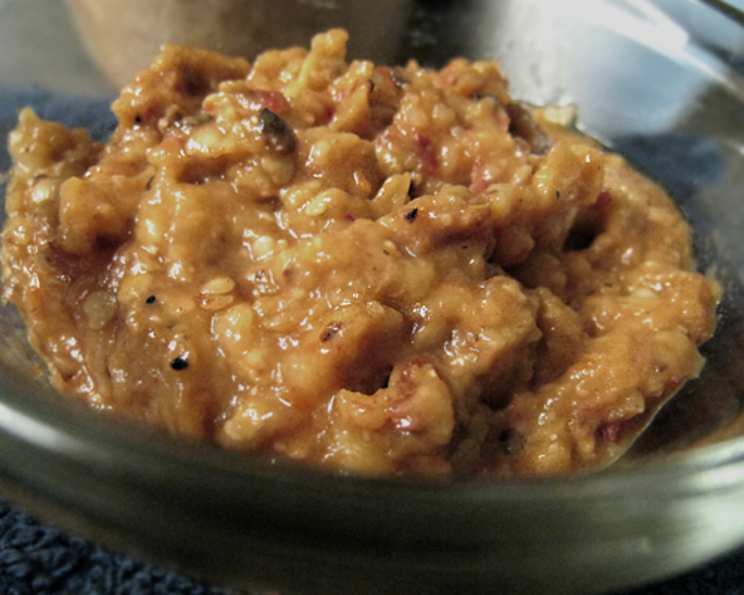
Garlic Roasted Eggplant Spread: A Taste of Sunshine
There’s a particular kind of magic that happens when simple, humble ingredients are coaxed into something truly spectacular. For me, that magic is most potent in dishes born from the sun-drenched cuisines of the Mediterranean. This Garlic Roasted Eggplant Spread, a recipe I discovered through whispers of its origin at Louis Pappas Market Cafe in Tampa, Florida, is precisely one of those culinary revelations. Though I’ve never had the pleasure of visiting that famed establishment, the Pappas family’s reputation for exceptional Greek fare precedes them, and this recipe is a testament to their legacy. It’s a spread that evokes sun-baked afternoons, the gentle salt breeze, and the vibrant flavors that define coastal living, transforming humble eggplant into a creamy, savory delight perfect for sharing.
Recipe Overview
- Prep Time: 30 minutes (plus 30 minutes for salting)
- Cook Time: 25 minutes
- Total Time: 1 hour and 25 minutes
- Servings: 6
- Yields: 2 cups
- Dietary Type: Vegan (optional additions for non-vegan)
Ingredients
This recipe calls for a few core ingredients, treated with care to unlock their best flavors.
- 3 medium eggplants, peeled and sliced thinly (about 1/8-inch thick)
- 2 ½ teaspoons salt, for drawing out moisture from the eggplant
- 10 garlic cloves, peeled
- 2 tablespoons lemon juice, fresh is always best
- 3 tablespoons olive oil, good quality extra virgin for best flavor
- ¼ teaspoon salt, to season the final spread
- ¼ teaspoon crushed red pepper flakes, for a hint of warmth
- Roasted bell pepper slices, for garnish (optional)
- Parmesan cheese, grated, for garnish (optional)
Equipment Needed
While the ingredients are straightforward, having the right tools will make the process smoother.
- Large mixing bowl
- Baking sheets
- Sharp knife
- Cutting board
- Food processor or immersion blender
- Spatula
Instructions
Transforming eggplant and garlic into a luscious spread is a straightforward process that relies on a few key techniques.
-
Prepare the Eggplant: Begin by sprinkling your thinly sliced eggplant with 2 ½ teaspoons of salt. Place these slices in a colander set over a bowl or in a large mixing bowl, ensuring the salt can draw out the excess moisture. Let the eggplant stand for at least 30 minutes. This crucial step not only removes bitterness but also helps the eggplant roast more efficiently and achieve a creamier texture.
-
Preheat the Oven: While the eggplant is sweating, preheat your oven to a robust 450°F (230°C). A hot oven is key to achieving that delightful char and tenderness.
-
Roast the Eggplant and Garlic: After the 30 minutes have passed, rinse the eggplant slices thoroughly under cool water to remove the excess salt. Pat them dry with paper towels. Arrange the eggplant slices in a single layer on oiled baking sheets. It’s important not to overcrowd the pans, so use multiple sheets if necessary. Add the peeled garlic cloves to the baking sheets alongside the eggplant.
-
Bake to Perfection: Place the baking sheets in the preheated oven and bake for 25 minutes, or until the eggplant edges are wonderfully crispy and the garlic is noticeably tender and slightly browned. Keep an eye on them as oven temperatures can vary.
-
Cool and Chop: Once roasted, remove the baking sheets from the oven. Allow the eggplant and garlic to cool slightly so they are manageable to handle. Transfer the roasted eggplant and garlic to a cutting board and chop them into smaller pieces. You’re aiming for a texture that will blend well.
-
Combine and Blend: Place the chopped eggplant mixture, along with the 2 tablespoons of lemon juice, 3 tablespoons of olive oil, ¼ teaspoon of salt, and ¼ teaspoon of crushed red pepper flakes, into a large bowl. Using a food processor or an immersion blender, combine all the ingredients until the mixture is well incorporated and has a spreadable consistency. You can pulse it for a chunkier texture or process longer for a smoother spread. Taste and adjust seasoning if needed.
-
Serve and Garnish: Spoon the finished Garlic Roasted Eggplant Spread onto your chosen vehicle, be it crusty crostini, your favorite crackers, or warm pita chips. For an extra touch of flavor and visual appeal, garnish with slices of roasted bell pepper and a sprinkle of grated Parmesan cheese, if desired.
Expert Tips & Tricks
To elevate this already fantastic spread from good to extraordinary, consider these chef-driven insights:
- Don’t Skip the Salt: That initial salting of the eggplant is non-negotiable. It’s the secret to tender, creamy flesh and a less bitter end product. Wringing out as much moisture as possible before roasting is key.
- Roasting is Key: While you could theoretically grill or pan-fry the eggplant, roasting at a high temperature yields the most consistent and desirable texture for a spread. The slight charring adds a depth of flavor that’s hard to replicate.
- Garlic Intensity: If you’re a true garlic aficionado, feel free to add a clove or two more. Roasting mellows garlic’s pungency, making it sweet and spreadable.
- Texture Control: The final consistency of your spread is entirely up to you. For a rustic, slightly chunky spread, pulse the ingredients briefly in the food processor. For a velvety smooth texture, process for a longer duration, or even pass it through a fine-mesh sieve if you’re feeling particularly dedicated.
- Olive Oil Quality: Since olive oil is a prominent flavor component in the finished spread, using a good quality extra virgin olive oil will make a noticeable difference.
Serving & Storage Suggestions
This versatile spread shines in many applications. Serve it generously on toasted baguette slices for a sophisticated appetizer, or pile it onto sturdy crackers for a casual gathering. It’s also a fantastic accompaniment to grilled meats, vegetables, or as a flavorful component in a Mediterranean-inspired sandwich.
Leftovers can be stored in an airtight container in the refrigerator for up to 3 to 4 days. The flavors often meld and deepen beautifully overnight. If the spread thickens too much in the fridge, a small drizzle of olive oil and a quick stir will bring it back to its ideal consistency. It’s not recommended for freezing, as the texture of the eggplant can change upon thawing.
Nutritional Information
Here’s an approximate breakdown of the nutritional content, keeping in mind that variations can occur based on specific ingredient choices and optional additions.
| Nutrient | Amount per Serving (approx.) | % Daily Value (approx.) |
|---|---|---|
| Calories | 402.8 kcal | |
| Calories from Fat | 197 | |
| Total Fat | 21.9 g | 33% |
| Saturated Fat | 3.1 g | 15% |
| Cholesterol | 0 mg | 0% |
| Sodium | 3217.2 mg | 134% |
| Total Carbohydrate | 53.2 g | 17% |
| Dietary Fiber | 28.4 g | 113% |
| Sugars | 19.9 g | 79% |
| Protein | 9.3 g | 18% |
Note: Sodium content is higher due to the initial salting of the eggplant.
Variations & Substitutions
While this recipe is a classic for a reason, feel free to experiment:
- Smoky Depth: Add a pinch of smoked paprika along with the crushed red pepper flakes for a subtle smoky undertone.
- Herbaceous Notes: Stir in finely chopped fresh parsley, mint, or dill just before serving for a burst of fresh herbal flavor.
- Nutty Crunch: For added texture and richness, incorporate a tablespoon or two of toasted tahini into the food processor during blending.
- Spicier Kick: Increase the crushed red pepper flakes or add a finely minced jalapeño or a dash of your favorite hot sauce for more heat.
- Vegan Parmesan: If omitting traditional Parmesan, a sprinkle of nutritional yeast can provide a cheesy, umami flavor.
FAQs
Q: Why do I need to salt the eggplant?
A: Salting draws out excess moisture and any natural bitterness, leading to a creamier texture and a more concentrated flavor when roasted.
Q: Can I use a different type of eggplant?
A: While medium eggplants are ideal, you can use larger ones, but you may need to adjust the roasting time. Smaller Japanese or Italian eggplants can also work.
Q: What can I use if I don’t have a food processor?
A: An immersion blender works perfectly. Alternatively, you can finely chop the roasted eggplant and garlic by hand and then vigorously mash and mix them with the other ingredients in a bowl.
Q: How can I reduce the sodium content?
A: Rinse the eggplant very thoroughly after salting and pat it extremely dry. You can also reduce the amount of salt added in the final seasoning step and rely on other seasonings like lemon juice and red pepper flakes for flavor.
Q: Is this spread good for meal prep?
A: Yes, this spread holds up well in the refrigerator for several days, making it an excellent option for meal prep. Its flavor tends to improve over time.
Final Thoughts
This Garlic Roasted Eggplant Spread is more than just a recipe; it’s an invitation to savor simple pleasures and embrace the transformative power of cooking. It’s a dish that speaks of sunshine, warm breezes, and the joy of sharing delicious food with loved ones. Whether you’re looking for an appetizer to impress guests or a flavorful addition to your everyday meals, this spread delivers. So, gather your ingredients, embrace the process, and prepare to be delighted by the rich, savory depth of this Mediterranean gem. I encourage you to try it, perhaps with a crisp glass of white wine or a refreshing pitcher of iced tea, and see how it brightens your table. I’d love to hear about your experience and any delightful variations you discover.