
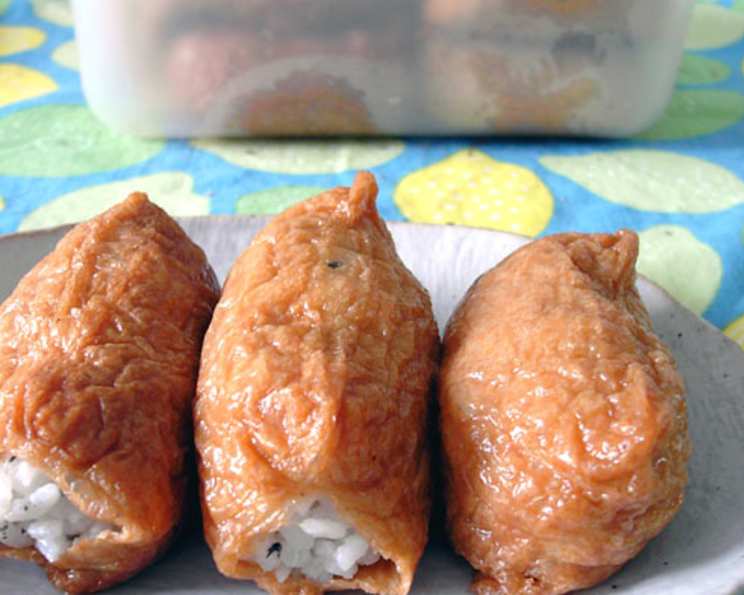
Inari Zushi: A Hug of Comfort in Every Bite
I still remember the first time I encountered Inari Zushi. It wasn’t at a fancy sushi restaurant, but at a bustling local festival in Kyoto, the air thick with the scent of grilled yakitori and sweet dango. There, nestled amongst vibrant stalls, was a humble vendor offering these perfectly formed parcels. Each one was a little edible treasure chest, a soft, savory pouch of fried tofu cradling fluffy sushi rice. It was a revelation – simple, yet profoundly satisfying, and offered a comforting warmth that spoke volumes of Japanese home cooking. These weren’t the delicate, often intimidating rolls that grace the pages of glossy magazines, but something far more accessible and, dare I say, more soulful.
Recipe Overview
- Prep Time: 25 minutes
- Cook Time: 20 minutes
- Total Time: 45 minutes
- Servings: 2
- Yield: 20 pouches
- Dietary Type: Vegan
Ingredients
- 800 ml cooked sushi rice
- 1 tablespoon sesame seeds (optional)
- 10 packages aburage (fried tofu pouches, typically containing 2 pieces each, totaling 20 individual pouches)
- 210 ml sugar
- 135 ml soy sauce
- 200 ml water
- Pickled ginger (for garnish)
Equipment Needed
- Large heat-proof bowl
- Colander
- Saucepan
- Frying pan (if toasting sesame seeds)
- Serving dish
Instructions
-
Begin by preparing the aburage (fried tofu pouches). Cut each package horizontally in half. With your fingers, gently and carefully separate the sides of the cut section to form an open pouch. Be delicate to avoid tearing the delicate tofu.
-
To remove excess oil from the aburage, place them into a large heat-proof bowl. Position the bowl in your sink and pour approximately 1 to 2 liters of boiling water over the aburage, stirring them to ensure all pieces are exposed to the hot water. This step is crucial for a better texture and flavor absorption. After the initial rinse, drain the aburage into a colander. Rinse them with cold water and then gently squeeze out any remaining water.
-
In a saucepan, combine the sugar, soy sauce, and water. Bring the mixture to a boil over medium heat.
-
Once the liquid is boiling, add the prepared aburage to the saucepan. Cook them over medium heat, stirring from time to time, until they have absorbed the flavorful braising liquid and are well-seasoned. Once they are adequately flavored, remove the saucepan from the heat and let the aburage cool in the braising liquid. This allows them to fully absorb the savory-sweet notes.
-
If you are using sesame seeds, toast them in a dry frying pan over medium heat until fragrant. Mix the toasted sesame seeds into the sushi rice. This adds a delightful nutty crunch and visual appeal.
-
Take a cooled piece of aburage from the braising liquid. Gently squeeze out any excess liquid from the pouch.
-
Scoop up a portion of the prepared sushi rice about the size of an egg. Stuff this portion of rice into the aburage pouch.
-
Once filled, fold over the cut ends of the aburage pouch. Press lightly to shape the Inari Zushi into a neat parcel.
-
Place the shaped Inari Zushi cut side down on a serving dish.
-
Garnish the Inari Zushi with a few slivers of pickled ginger before serving.
Expert Tips & Tricks
The key to perfect Inari Zushi lies in the preparation of the aburage. Don’t rush the oil-removal step; the boiling water bath is essential for achieving a tender pouch that will readily soak up the braising liquid. When stuffing the rice, aim for a gentle press rather than over-packing, which can cause the pouch to tear or the rice to become too dense. If you find the pouches are a bit brittle, a slightly longer simmer in the braising liquid can help soften them. For an extra touch of elegance, a single strand of toasted nori wrapped around the center can add a delightful textural contrast.
Serving & Storage Suggestions
Inari Zushi is wonderfully versatile. It’s perfect as a light lunch, a delightful bento box addition, or as part of a larger sushi platter. Serve it at room temperature for the best flavor and texture. Leftover Inari Zushi can be stored in an airtight container in the refrigerator for up to two days. While they are best enjoyed fresh, the flavors meld beautifully overnight. If refrigerating, allow them to come to room temperature for about 30 minutes before serving to revive their texture and taste. Avoid freezing, as the tofu can become rubbery.
Nutritional Information
| Nutrient | Amount per Serving | % Daily Value |
|---|---|---|
| Calories | 150 kcal | 8% |
| Total Fat | 4g | 5% |
| Saturated Fat | 0.5g | 3% |
| Cholesterol | 0mg | 0% |
| Sodium | 450mg | 20% |
| Total Carbohydrate | 25g | 9% |
| Dietary Fiber | 1g | 4% |
| Sugars | 10g | 20% |
| Protein | 3g | 6% |
(Note: Nutritional values are estimates and can vary based on specific ingredients used.)
Variations & Substitutions
While traditional Inari Zushi is a delightful classic, there are many ways to personalize it. For a gluten-free option, ensure your soy sauce is gluten-free. You can also experiment with adding finely chopped pickled daikon or carrots to the sushi rice for extra texture and a hint of tang. Some enjoy a sprinkle of black sesame seeds for a striking visual contrast. For a richer flavor, a tiny splash of mirin can be added to the braising liquid, though be mindful of the sweetness.
FAQs
Q: What is aburage?
A: Aburage is thinly sliced deep-fried tofu that has a spongy texture and absorbs flavors beautifully, making it ideal for Inari Zushi.
Q: Can I make the sushi rice ahead of time?
A: Yes, you can prepare the sushi rice a few hours in advance. Ensure it is properly seasoned and cooled before stuffing the pouches.
Q: How do I prevent the aburage from tearing?
A: Handle the aburage gently, especially when separating the layers, and ensure they are well-soaked in the braising liquid, which softens them considerably.
Q: What can I garnish Inari Zushi with besides pickled ginger?
A: You can also garnish with a sprinkle of toasted sesame seeds, a small sliver of cucumber, or even a bit of finely chopped scallion.
Q: Is Inari Zushi suitable for vegans?
A: Yes, this recipe is naturally vegan, provided you use aburage and soy sauce that do not contain any animal products.
Final Thoughts
Inari Zushi is more than just a dish; it’s an experience. It’s a testament to the beauty of simplicity in Japanese cuisine, offering a comforting embrace with every sweet and savory bite. The tender, seasoned aburage cradles perfectly cooked sushi rice, creating a harmonious blend of textures and tastes. I encourage you to try making these little delights at home. They are incredibly rewarding to assemble, and the joy they bring to the table is immeasurable. Serve them alongside a light miso soup or a refreshing cucumber salad for a complete and utterly satisfying meal. I’m confident that once you’ve tasted the homemade charm of Inari Zushi, it will hold a special place in your culinary repertoire.