
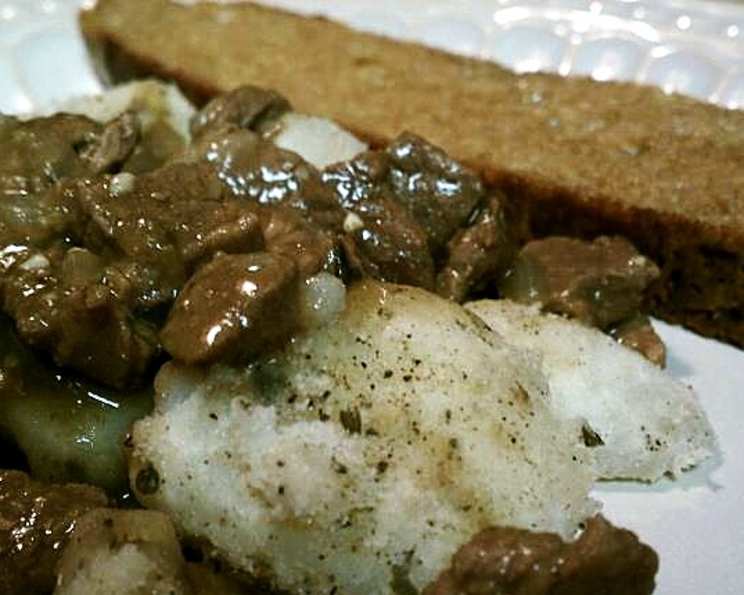
A Hug in a Bowl: My Beloved Irish Beef Stew with Guinness
There are dishes that merely fill our bellies, and then there are those that nourish our very souls. For me, Irish Beef Stew with Guinness Stout falls squarely into the latter category. I remember my first encounter vividly: a blustery November evening in a tiny pub on the west coast of Ireland, the air thick with the scent of peat smoke and anticipation. A steaming bowl arrived, its rich aroma promising warmth and comfort, and with the very first spoonful, I was transported. It wasn’t just a meal; it was a sensory embrace, a culinary translation of the wild, rugged beauty of the Irish landscape and the deep-seated warmth of its people. That stew, with its meltingly tender beef, robust vegetables, and the unmistakable malty depth of Guinness, became my benchmark for comfort food.
Recipe Overview
- Prep Time: 20 minutes
- Cook Time: 2 hours 30 minutes
- Total Time: 2 hours 50 minutes
- Servings: 4-6
- Yield: Approximately 6-8 servings
- Dietary Type: Contains Gluten (from flour), Meat
Ingredients
- 2 tablespoons olive oil
- 3 bay leaves
- 2 lbs beef stew meat, cut into 1 1/2-inch pieces (with some fat left on the meat)
- 1 large yellow onion, peeled and cut into 1/4-inch dice
- 2 garlic cloves, peeled and chopped
- 1 teaspoon dried thyme
- 1 teaspoon dried rosemary
- 2-3 tablespoons all-purpose flour
- 3/4 cup beef stock (or use canned)
- 1/2 cup Guinness stout
- 1 tablespoon parsley, chopped (for garnish)
- 1/2 lb carrots, sliced into 1/2-inch rounds
- Salt and freshly ground black pepper, to taste
Equipment Needed
- A 6-quart heavy-bottomed pot or Dutch oven (stovetop and oven-proof)
- Wooden spoon or spatula
- Sharp knife and cutting board
Instructions
This is where the magic truly happens, a slow, patient transformation of humble ingredients into a symphony of flavor. The process is designed to coax out the best from each element, ensuring that every spoonful is a testament to time and care.
-
Prepare Your Pot and Aromatics: Begin by placing your 6-quart stovetop casserole or oven-proof pot over high heat. Add the olive oil and the bay leaves. Allow the bay leaves to sizzle and release their fragrance for just a moment, about 30 seconds. This step infuses the oil with a subtle, herby note that will permeate the entire stew.
-
Sear the Beef: Carefully add the beef stew meat to the hot pot. You want to brown the meat on all sides. Resist the urge to overcrowd the pot; if necessary, work in batches to ensure you achieve a beautiful, deep sear. This searing process is crucial for developing rich flavor and a pleasing texture in the final stew. Cook for several minutes until the beef is well-browned.
-
Sauté the Onion: Add the diced yellow onion to the pot with the browned beef. Continue to cook and stir for a few minutes until the onion becomes translucent and begins to soften. The natural sugars in the onion will caramelize slightly, adding another layer of sweetness and depth.
-
Build the Flavor Base: Reduce the heat to low. Now, introduce the chopped garlic cloves, dried thyme, and dried rosemary to the pot. Stir these aromatics into the mixture for about a minute until they become fragrant. This brief toasting releases their essential oils, intensifying their flavor. Next, sprinkle the all-purpose flour over the beef and onion mixture. Stir continuously until the flour is smoothly incorporated, creating a roux that will help thicken the stew.
-
Deglaze and Simmer: Pour in the beef stock and the Guinness stout. As you add the liquids, stir the contents of the pot to ensure there are no lumps of flour and to scrape up any browned bits from the bottom of the pot – these are packed with flavor. Bring the mixture to a simmer, stirring occasionally, until the stew begins to thicken slightly. This is a key stage where the liquid transforms into a luscious sauce.
-
Add Remaining Ingredients and Cover: Add the sliced carrots to the pot. Season generously with salt and freshly ground black pepper to your taste. Give everything a good stir to ensure all the ingredients are well combined. Once everything is incorporated and seasoned, cover the pot tightly with its lid.
-
Oven Braising: Preheat your oven to 275°F (135°C). Carefully place the covered pot into the preheated oven. Braise the stew for approximately 2 hours, or until the beef is exceptionally tender and the carrots are cooked through. It’s beneficial to stir the stew a couple of times during this long, slow cooking period to ensure even cooking and to prevent any sticking.
-
Final Seasoning and Serving: Once the stew has finished braising, carefully remove the pot from the oven. Give the stew a final stir. Before serving, check for the salt and pepper and adjust the seasoning as needed. Ladle the rich, aromatic stew into bowls. Garnish with the chopped fresh parsley for a burst of color and freshness.
Expert Tips & Tricks
While this stew is wonderfully forgiving, a few insights can elevate it further. The quality of your beef stew meat makes a difference; look for cuts with good marbling, as this fat renders down beautifully during the long braise, enriching the sauce. Don’t rush the searing process; that deep brown crust on the beef is essential for fundamental flavor. If your stew seems a bit thin after cooking, you can always remove the lid and simmer it gently on the stovetop for a few minutes to reduce the liquid and concentrate the flavors further. Conversely, if it’s too thick, a splash more beef stock or water can loosen it up.
Serving & Storage Suggestions
This Irish Beef Stew is a hearty, complete meal in itself. It’s traditionally served piping hot, often accompanied by crusty bread to sop up every last drop of the glorious gravy. A side of mashed potatoes or simple boiled new potatoes also makes for a perfect pairing. For a truly authentic experience, a dollop of Irish butter on the side is never amiss.
Leftovers are a true blessing with this stew. Once cooled completely, it can be stored in an airtight container in the refrigerator for up to 3-4 days. The flavors often meld and deepen overnight, making leftovers arguably even more delicious. To reheat, gently warm the stew on the stovetop over low heat, adding a splash of liquid if needed, or reheat it in a covered dish in a low oven. This stew also freezes beautifully; portion it into freezer-safe containers and it will keep for up to 3 months. Thaw overnight in the refrigerator before reheating.
Nutritional Information
Here is an approximate nutritional breakdown per serving, assuming 6 servings:
| Nutrient | Amount per Serving | % Daily Value |
|---|---|---|
| Calories | 563 kcal | 28% |
| Total Fat | 17.3 g | 22% |
| Saturated Fat | 5.5 g | 27% |
| Cholesterol | 145.2 mg | 48% |
| Sodium | 405.1 mg | 18% |
| Total Carbohydrate | 25.8 g | 9% |
| Dietary Fiber | 2.6 g | 9% |
| Sugars | 4.3 g | 5% |
| Protein | 53 g | 106% |
Note: Nutritional values are estimates and can vary based on specific ingredients and quantities used.
Variations & Substitutions
While this recipe is a classic for a reason, there’s always room for a touch of personal flair. For a richer, darker ale flavor, you could substitute a portion of the Guinness with a darker porter or stout. If you’re looking to add more vegetables, peas, parsnips, or mushrooms can be introduced along with the carrots in step 6. For those seeking a gluten-free version, you can thicken the stew using a cornstarch slurry (mix 2 tablespoons of cornstarch with 4 tablespoons of cold water until smooth, then stir into the simmering stew) or by using a gluten-free flour blend.
FAQs
Q: Can I make this stew ahead of time?
A: Absolutely! This stew is even better the next day as the flavors have more time to meld. Prepare it as directed and reheat gently before serving.
Q: What’s the best cut of beef to use for this stew?
A: Cuts like chuck roast, brisket, or round roast are ideal. They have enough connective tissue and fat to become incredibly tender during the long, slow braise.
Q: My stew isn’t thick enough. What can I do?
A: You can thicken a stew by simmering it uncovered for a bit longer to reduce the liquid, or by creating a slurry of cornstarch or flour mixed with a little cold water, then stirring it into the simmering stew until thickened.
Q: Is it essential to use Guinness stout?
A: While Guinness provides a classic flavor profile with its roasted malt notes, you can substitute another dark, robust stout or porter if Guinness isn’t available.
Q: How can I make the beef even more tender?
A: Ensure you are using a suitable cut of beef and that you are allowing ample braising time at a low temperature. Overcooking at too high a heat can make the beef tough.
A Taste of Home
This Irish Beef Stew with Guinness Stout is more than just a recipe; it’s an invitation to slow down, savor the process, and create something truly comforting. It’s the kind of dish that warms you from the inside out, a culinary hug that brings a smile to your face and contentment to your soul. Serve it with pride, share it with loved ones, and let its rich, deep flavors transport you. Sláinte!