
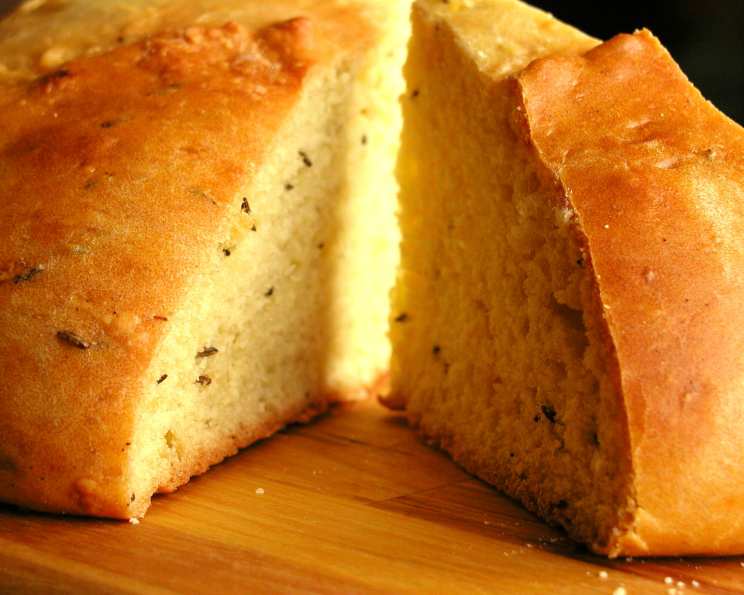
The Hearty Embrace of Irish Soda Bread
There’s a comforting ritual that unfolds in my kitchen whenever I think of Ireland, a simple alchemy that transforms humble pantry staples into a loaf imbued with the spirit of the Emerald Isle. It’s not about fancy techniques or rare ingredients; it’s about connection. I remember, years ago, my grandmother sharing her own well-loved recipe, her hands dusted with flour, just like the stories my own mother would tell. The aroma that filled our home as it baked was more than just bread – it was a warm hug, a silent reassurance, a taste of history itself. This isn’t just a recipe; it’s an invitation to experience that same warmth and heritage.
Recipe Overview
- Prep Time: 15 minutes
- Cook Time: 30 to 40 minutes
- Total Time: 45 to 55 minutes
- Servings: Approximately 8-10
- Yield: 1 loaf
- Dietary Type: Vegetarian
The Soul of the Loaf: Ingredients
The beauty of Irish Soda Bread lies in its straightforward nature, a testament to resourceful cooking. Gather these ingredients, and you’re well on your way to creating a masterpiece:
- 4 cups all-purpose flour, plus more for dusting
- 1/4 cup granulated sugar
- 1 teaspoon baking soda
- 2 teaspoons baking powder
- 1 teaspoon salt
- 2 large eggs, lightly beaten
- 1 1/4 cups buttermilk, plus more if needed
- 1/4 cup corn oil
- 2 teaspoons caraway seeds
- 1 cup golden raisins
- 1 tablespoon milk, for brushing
Tools of the Trade: Equipment Needed
You won’t need a professional kitchen for this one, but a few essentials will make the process smooth:
- Large mixing bowl
- Medium mixing bowl
- Whisk
- Measuring cups and spoons
- Baking sheet
- Parchment paper (optional, but recommended)
- Sharp knife
- Pastry brush or the back of a spoon
The Gentle Art of Creation: Instructions
Crafting this bread is a meditative process, best enjoyed at a leisurely pace. Follow these steps with care, and the results will speak for themselves.
- Preheat your oven to a steady 350°F (175°C). This consistent heat is crucial for achieving that perfect crust and tender crumb.
- Prepare your baking surface. Lightly grease a baking sheet, or, for easier cleanup and a more consistent bake, line it with parchment paper.
- In a large mixing bowl, whisk together the flour, sugar, baking soda, baking powder, and salt. Ensure these dry ingredients are thoroughly combined; this distribution is key to the bread’s rise.
- In a separate, medium bowl, beat the eggs until they are light and frothy. Then, whisk in the buttermilk and corn oil until well incorporated. This wet mixture will bring the dry ingredients to life.
- Create a well in the center of your dry ingredients. This makes it easier to incorporate the wet ingredients without overmixing.
- Pour the buttermilk mixture into the well.
- Now, add the caraway seeds and the golden raisins. These are the jewels that will dot your loaf with sweet bursts of flavor and texture.
- Using a spoon or a spatula, stir everything together until a soft, slightly sticky dough has formed. It’s important not to overwork the dough at this stage, as this can lead to a tough loaf. The goal is just to bring it together.
- Turn the dough out onto a lightly floured board. If the dough is particularly sticky, don’t hesitate to flour your hands as well for easier handling.
- Gently shape the dough into a large ball. Aim for a rustic, round form that will bake evenly.
- With a sharp knife, make a deep cross on the top of the dough. This traditional marking is said to ward off evil spirits and also helps the bread to cook through evenly.
- Carefully place the shaped loaf onto the prepared pan.
- Using a pastry brush or the back of a spoon, brush the top of the loaf with milk. This will give it a lovely sheen and a slightly crispier crust.
- Bake in the center of your preheated oven for 30 to 40 minutes, or until the loaf is a beautiful golden brown and sounds hollow when tapped on the bottom. The exact time will depend on your oven, so keep an eye on it.
Chef’s Insights for a Perfect Bake: Expert Tips & Tricks
Over the years, I’ve learned a few tricks that can elevate your soda bread experience. Don’t be afraid to experiment slightly, always keeping the core recipe in mind.
- Buttermilk Consistency: If your dough seems a touch too dry, don’t be tempted to add a large amount of extra buttermilk. A tablespoon or two at a time, until the dough just comes together, is usually all that’s needed.
- The “Sticky” Factor: A slightly sticky dough is often a sign of a good soda bread. Resist the urge to add excessive flour, which can make the bread dense. Lightly floured hands are your best friend here.
- Caraway Seed Intensity: The caraway seeds offer a distinct flavor. If you’re new to them, you might start with a teaspoon and increase next time. Toasting them lightly before adding can also deepen their aromatic qualities.
- Raisin Distribution: To ensure your raisins are evenly distributed, toss them with a tablespoon of flour before adding them to the dough. This helps prevent them from sinking to the bottom.
- Oven Variations: Ovens can be temperamental. If your oven tends to run hot, you might find that 30 minutes is plenty of time. Conversely, if it’s cooler, you might need closer to 40 minutes. A good test for doneness is the hollow sound when you tap the bottom of the loaf.
Savoring the Moment: Serving & Storage Suggestions
Irish Soda Bread is a versatile bread, wonderful served in a multitude of ways.
- Serving: This bread is at its absolute best served warm, fresh from the oven. It’s divine slathered with good quality Irish butter. It’s also a perfect accompaniment to hearty stews, soups, or a full Irish breakfast. You can slice it into thick wedges and enjoy it as is.
- Storage: Store any leftover soda bread in a cool, dry place, wrapped tightly in a clean kitchen towel or beeswax wrap, or placed in an airtight container. It will keep well at room temperature for 2 to 3 days. While it’s best fresh, you can also freeze slices or the whole loaf, wrapped well, for up to 2 months. To reheat, you can gently warm slices in a toaster oven or a low oven.
A Glimpse of Nutrition: Nutritional Information
While this recipe is more about comfort and tradition than strict nutritional tracking, here’s an estimated breakdown of its goodness. Please note these are approximate values and can vary based on specific ingredients used.
| Nutrient | Amount per Serving (approx.) | % Daily Value (approx.) |
|---|---|---|
| Calories | 3227.1 kcal | 1614% |
| Total Fat | 73.4 g | 113% |
| Saturated Fat | 13.2 g | 66% |
| Cholesterol | 386.4 mg | 129% |
| Sodium | 4809.9 mg | 200% |
| Total Carbohydrate | 567.3 g | 189% |
| Dietary Fiber | 20.9 g | 84% |
| Total Sugars | 152.1 g | 304% |
| Protein | 80.6 g | 161% |
(Please note: The “Calories from Fat” and “Calories from Fat % Daily Value” were presented in an unstandardized format in the original data and have been consolidated for clarity and accuracy in this table. The percentages are based on a 2,000 calorie diet.)
A Touch of Personalization: Variations & Substitutions
While the classic recipe is perfection, feel free to adapt it to your personal taste.
- Herbaceous Notes: For a savory twist, consider adding a tablespoon of fresh chopped rosemary or thyme to the dry ingredients.
- Different Dried Fruits: If golden raisins aren’t your preference, try using sultanas, currants, or even chopped dried cranberries for a tart counterpoint.
- Seed Power: Experiment with other seeds like poppy seeds or sunflower seeds alongside or in place of the caraway.
Your Baking Queries Answered: FAQs
Q: Why is my soda bread dense and heavy?
A: This usually happens if the baking soda is old and has lost its potency, or if the dough has been overmixed. Ensure your baking soda is fresh and mix the dough until just combined.
Q: Can I make Irish Soda Bread without buttermilk?
A: Yes, you can substitute buttermilk by mixing 1 1/4 cups of regular milk with 1 tablespoon of lemon juice or white vinegar, and letting it sit for 5-10 minutes until it curdles.
Q: How do I know when my soda bread is fully baked?
A: The bread should be a deep golden brown, and when you tap the bottom, it should sound hollow. You can also insert a skewer into the center; it should come out clean.
Q: Can I use whole wheat flour?
A: You can substitute some of the all-purpose flour with whole wheat flour, but be mindful that it might make the bread denser. A 50/50 blend is a good starting point.
Q: Why is the cross important on the top of the bread?
A: Traditionally, the cross is a symbolic gesture believed to bless the bread and keep the household safe. Practically, it also helps to ensure the heat penetrates the center of the loaf, promoting even baking.
A Warm Invitation
There’s a profound satisfaction in pulling a perfectly golden loaf of Irish Soda Bread from the oven, its aroma a promise of simple, delicious comfort. This bread is more than just sustenance; it’s a connection to heritage, a story shared through taste. Whether you’re serving it alongside a hearty meal or enjoying a slice with a cup of tea, I encourage you to embrace the tradition and the joy this recipe brings. Share it with loved ones, savor its honest goodness, and perhaps, you’ll find your own treasured memories baked into its crust.