
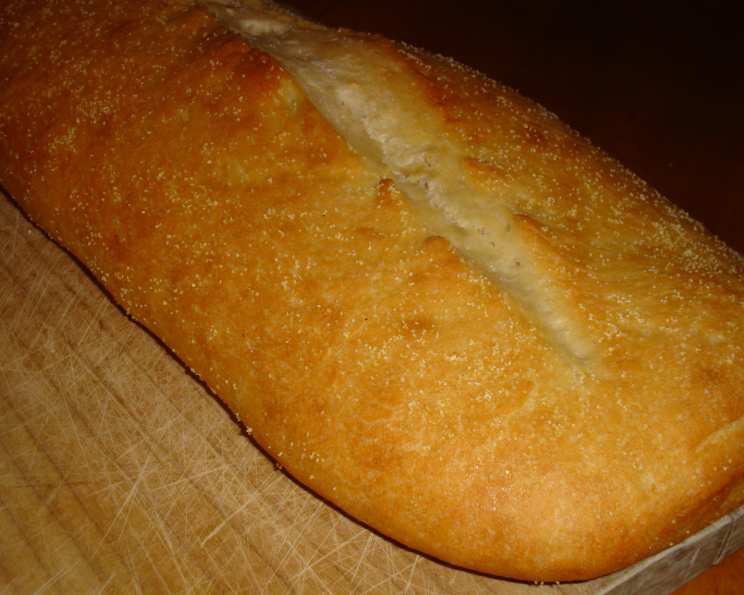
The Soul of the Hearth: Crafting Authentic Italian Bread
There’s a particular scent that, for me, conjures the very essence of my childhood visits to Nonna’s kitchen. It’s not just the yeasty perfume of dough rising, but the deep, comforting aroma of Italian bread, fresh from her old-fashioned oven. The crust, a burnished gold, would crackle ever so slightly as it cooled, promising a soft, airy interior perfect for sopping up olive oil or accompanying a hearty ragu. That feeling of holding a warm, substantial loaf, knowing it was made with simple ingredients and a generous amount of love, is something I strive to recreate with every bake, and this recipe captures that spirit beautifully.
Recipe Overview
- Prep Time: 1 hour 15 minutes (plus rising time)
- Cook Time: 50 to 60 minutes
- Total Time: Approximately 2 hours 15 minutes (plus rising time)
- Servings: Makes 2 loaves
- Yield: 2 loaves
- Dietary Type: Vegetarian
Ingredients
This recipe calls for the most fundamental building blocks of delicious bread, showcasing the beauty of simplicity.
-
For the Dough:
- 1 (1/4 ounce) package active dry yeast
- 1 cup warm water (about 105-115°F)
- 2 cups warm water (about 105-115°F)
- 1 tablespoon salt
- 6 – 7 cups all-purpose flour (plus more for dusting)
-
For Finishing:
- Melted butter, for brushing tops
- Cornmeal, for sprinkling baking stone
Equipment Needed
- Large mixing bowl
- Measuring cups and spoons
- Whisk or fork
- Clean kitchen towels
- Greased bowl (for rising)
- Baking stone
- Bench scraper or spatula (optional, for handling dough)
Instructions
Crafting this Italian bread is a rewarding journey, a dance between the baker and the dough. Patience is key, and the results are well worth the effort.
-
Activate the Yeast: In a small bowl, combine the 1 cup of warm water with the active dry yeast. Stir gently and let it stand for about five minutes, or until it becomes foamy and bubbly. This indicates the yeast is alive and ready to work its magic.
-
Dissolve the Salt: In a separate, slightly larger bowl, dissolve the 1 tablespoon of salt into the 2 cups of warm water.
-
Initial Dough Formation: To the bowl containing the salted water, add the activated yeast mixture. Then, add 5 cups of the flour. Using a sturdy spoon or your hands, mix everything together until well combined. The mixture will be shaggy and quite wet at this stage.
-
Developing the Dough: Gradually add the remaining 1 to 2 cups of flour, about half a cup at a time, mixing thoroughly after each addition. You’re aiming for a dough that is workable but still slightly sticky. The exact amount of flour needed can vary based on humidity and the type of flour used.
-
Kneading the Dough: Turn the dough out onto a lightly floured surface. Knead the dough for a full 10 minutes. This is a crucial step for developing gluten, which gives bread its structure and chew. Push the dough away from you with the heel of your hand, then fold it over itself and rotate it. Continue this process until the dough is smooth, elastic, and no longer excessively sticky.
-
First Rise: Lightly grease a clean, large bowl with a bit of oil or cooking spray. Place the kneaded dough into the greased bowl, turning it to coat all sides. Cover the bowl tightly with plastic wrap or a clean, damp kitchen towel. Let the dough rise in a warm place until it doubles in bulk. This can take anywhere from 1 to 2 hours, depending on the temperature of your kitchen.
-
Punching Down and Second Knead: Once the dough has doubled, gently punch it down to release the air. Turn the dough out onto your lightly floured surface again and knead for another five minutes. This strengthens the gluten further and prepares the dough for its final shaping.
-
Dividing and Second Rise: Divide the dough into two equal portions. Gently shape each portion into a ball. Lightly grease the same bowl you used before (or a different one) and place the dough balls back into it, ensuring they are coated with a little grease. Cover them again and allow them to rise until doubled in size. This second rise will take less time than the first, likely 30-45 minutes.
-
Shaping and Final Proof: While the dough is on its second rise, preheat your oven to 375°F (190°C). Sprinkle your baking stone generously with cornmeal. Once the dough has doubled, gently separate the two dough balls. On your lightly floured surface, roll or gently shape each piece into an oblong (elongated oval) shape. Carefully transfer the two shaped loaves onto the prepared baking stone. Lightly cover the loaves with a clean kitchen towel and let them rise again until they have doubled in size. This final proofing period is critical for a light and airy crumb.
-
Scoring and Baking: Just before baking, brush the tops of the loaves with melted butter. Using a very sharp knife or a lame, make one long slash, about one inch deep and almost the entire length of each loaf. This “scoring” allows the bread to expand evenly in the oven without bursting in unexpected places. Place the baking stone with the loaves into the preheated oven. Bake for 50 to 60 minutes, or until the loaves are a deep, golden brown. To check for doneness, tap the bottom of a loaf; it should sound hollow.
-
Cooling: Once baked, carefully remove the loaves from the oven and transfer them to a wire cooling rack. Allow them to cool completely before slicing. This allows the interior to set properly.
Expert Tips & Tricks
- Water Temperature is Key: The temperature of your water for activating the yeast is crucial. Too hot, and you’ll kill the yeast; too cold, and it won’t activate properly. Aim for that sweet spot between lukewarm and warm.
- Don’t Rush the Knead: Kneading is where the magic of gluten development happens. Don’t skimp on the time. Your dough should feel smooth and elastic, springing back slightly when you poke it.
- Patience with the Rise: Rising times are estimates. Your kitchen’s temperature and humidity will affect how quickly your dough doubles. Look for the visual cue of doubling in size rather than strictly adhering to the clock.
- Cornmeal for Crispy Crust: The cornmeal on the baking stone not only helps prevent sticking but also contributes to a wonderfully crisp bottom crust.
- The Power of Steam: For an even crispier crust, you can create steam in your oven during the first 10-15 minutes of baking. Place a shallow pan filled with hot water on the rack below your baking stone when you preheat the oven.
Serving & Storage Suggestions
This Italian bread is at its absolute best when served warm, with its crust still slightly crisp. It’s perfect torn apart and used to mop up the last traces of a rich marinara sauce or a flavorful olive oil infused with garlic and herbs. It makes an excellent accompaniment to antipasti platters, hearty soups, and stews.
For storage, allow the bread to cool completely before wrapping it tightly in plastic wrap or placing it in a bread bag. At room temperature, it will stay fresh for about 2-3 days. If you won’t consume it within that time, it freezes beautifully. Wrap it tightly in plastic wrap and then place it in a freezer bag for up to 3 months. To reheat, you can thaw it at room temperature or warm slices in a low oven or a toaster.
Nutritional Information
| Nutrient | Amount per Loaf (approx.) | % Daily Value (approx.) |
|---|---|---|
| Calories | 1375.5 kcal | N/A |
| Calories from Fat | 34 g | 3% |
| Total Fat | 3.8 g | 5% |
| Saturated Fat | 0.6 g | 3% |
| Cholesterol | 0 mg | 0% |
| Sodium | 3504.6 mg | 146% |
| Total Carbohydrate | 287.5 g | 95% |
| Dietary Fiber | 10.9 g | 43% |
| Sugars | 1 g | 4% |
| Protein | 40.1 g | 80% |
Note: Nutritional values are estimates and can vary based on specific ingredients and measurements used.
Variations & Substitutions
While this recipe is a classic for a reason, you can certainly play with it:
- Herbed Bread: Incorporate dried herbs like rosemary, oregano, or thyme into the flour before mixing. About 1-2 tablespoons total should suffice.
- Garlic & Cheese: Mix finely minced garlic and grated Parmesan cheese into the dough during the final kneading stage for a savory twist.
- Whole Wheat Blend: For a nuttier flavor and added fiber, substitute up to 2 cups of the all-purpose flour with whole wheat flour. You might need to adjust the liquid slightly.
FAQs
Q: Why is my bread not rising?
A: The most common reasons are inactive yeast (check your expiration date and ensure it’s foamy when activated) or insufficient proofing time in a warm environment.
Q: My crust is too pale. How can I make it browner?
A: Ensure your oven is at the correct temperature and bake for the full duration. Sometimes, a little extra butter brushed on top before baking can also contribute to a deeper color.
Q: The inside of my bread is doughy. What went wrong?
A: This often means the bread was cut too soon. Always allow the bread to cool completely before slicing to let the internal structure set. Underbaking can also be a culprit.
Q: Can I use bread flour instead of all-purpose flour?
A: Yes, using bread flour will result in a chewier texture due to its higher gluten content. You might need to adjust the flour quantity slightly as bread flour can absorb more liquid.
Q: How can I achieve a crispier crust?
A: Baking on a preheated baking stone and creating steam in the oven during the initial baking phase are excellent ways to achieve a crackly, crisp crust.
Final Thoughts
There is a profound satisfaction in baking your own bread, especially a loaf as honest and delicious as this Italian classic. It’s a recipe that connects us to generations of bakers, to the simple yet transformative power of flour, water, yeast, and salt. Whether you’re serving it alongside a lavish Italian feast or simply enjoying it with good company and a pat of butter, this bread embodies warmth, tradition, and the true heart of the home. I encourage you to try your hand at it, to feel the dough come alive under your touch, and to savor the incredible aroma that will fill your kitchen. Let me know how it turns out!