
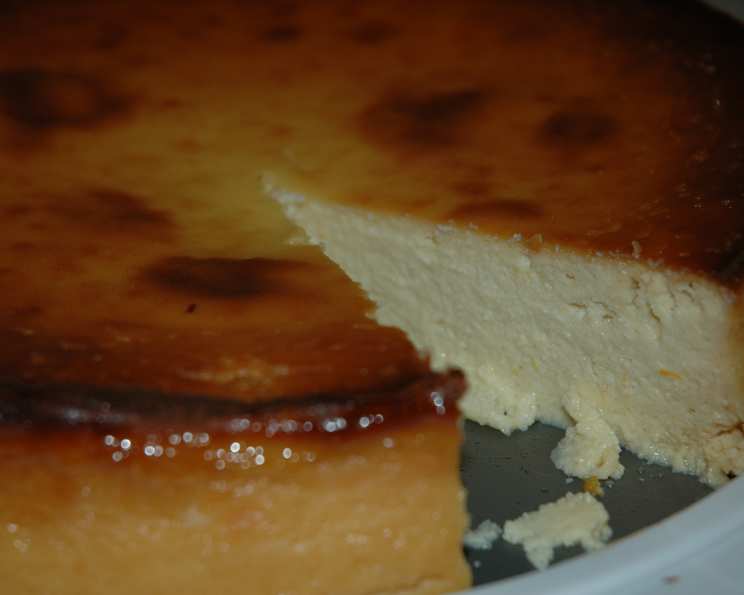
The Heart of Italy on a Plate: My Journey with Italian Cheesecake
My first foray into the world of cheesecakes was, to say the least, an adventure. Armed with a downloaded collection of recipes and a healthy dose of beginner’s bewilderment, I dove headfirst into creating what I hoped would be an authentic Italian cheesecake. I scoured directions from luminaries like Rachael Ray and Martha Stewart, blending their wisdom with a few personal touches, determined to coax something magical from the oven. I’d heard whispers that Italian cheesecakes could be dry, a notion I was eager to disprove. What emerged was a revelation: impossibly moist, wonderfully light, delicately sweet, and kissed with a subtle citrus whisper that spoke of sun-drenched groves. This is a recipe I guard closely, a sweet memory captured in every slice.
Recipe Overview
- Prep Time: 15 minutes
- Cook Time: 1 hour 30 minutes to 2 hours
- Total Time: Approximately 4 hours 45 minutes (including resting and chilling)
- Servings: 12
- Yield: 1 cheesecake
- Dietary Type: Dessert
Ingredients
This recipe celebrates the simple elegance of Italian ingredients, allowing the ricotta to shine.
- 1 lemon (you’ll need both the zest and juice)
- 1 small orange (zest and juice required)
- 3 lbs ricotta cheese
- 1 tablespoon flour
- 1 ½ cups sugar
- ¼ cup heavy cream
- 2 tablespoons vanilla extract
- 9 large eggs
- ¼ cup confectioners’ sugar (for dusting, optional)
Equipment Needed
To bring this Italian masterpiece to life, you’ll need a few key pieces of equipment:
- A 9-inch springform pan
- A microplane or fine grater for zesting
- A juicer (manual or electric)
- A large mixing bowl
- A whisk
- An oven
- A cooling rack
Instructions
Crafting this Italian cheesecake is a journey of layering flavors and textures, best undertaken with a calm and focused approach.
- Prepare the Pan: Begin by buttering and flouring your 9-inch springform pan. This crucial step ensures your beautiful cheesecake will release cleanly after baking.
- Zest and Juice the Citrus: Finely zest the lemon and the small orange using a microplane or your finest grater. The oils released from the zest are potent with flavor, so aim for the brightly colored outer layer, avoiding the bitter white pith. Set the zest aside. Next, juice the lemon and orange. If you happen to have a particularly fragrant, sun-kissed lemon or orange, like the ones a friend once brought back from Florida, now’s the time to let its special essence shine. Set the juices aside.
- Combine Ricotta and Zest: In a large mixing bowl, combine the 3 lbs of ricotta cheese with the reserved lemon and orange zest. Whisk these ingredients together until the mixture is wonderfully smooth. This step infuses the cheesecake base with a subtle, aromatic citrus perfume.
- Incorporate Sugar and Flour: Sift in the 1 ½ cups of sugar and the 1 tablespoon of flour into the ricotta mixture. Mix well until everything is thoroughly combined. The flour acts as a binder, helping to create that perfect cheesecake texture.
- Add Cream and Vanilla: Pour in the ¼ cup of heavy cream and the 2 tablespoons of vanilla extract. Mix again until the batter is homogenous and has a luscious consistency. The cream adds richness, while the vanilla provides a classic, comforting aroma.
- Introduce the Eggs: Now, it’s time to add the 9 large eggs. Whisk them in one at a time, ensuring each egg is fully incorporated before adding the next. This gradual addition helps to create a stable, creamy batter and prevents the cheesecake from becoming tough.
- Pour into Pan: Carefully pour the prepared cheesecake batter into your buttered and floured springform pan. Gently tap the pan on the counter a few times to release any large air bubbles.
- Bake to Perfection: Place the pan in a preheated oven set to 325°F (160°C). Bake for 1 ½ to 2 hours. The cheesecake is ready when the edges are set, and the center is just slightly jiggly. A knife inserted near the center should come out clean.
- Gradual Cooling in the Oven: Once the baking time is complete, turn off the oven. Open the oven door slightly and allow the cheesecake to rest in the oven for 30 minutes. This slow cooling process is vital for preventing cracks and ensuring a smooth, even texture.
- Chill and Set: After resting in the oven, carefully remove the springform pan from the oven. Allow it to cool on a cooling rack until it reaches room temperature. Once cooled, cover the cheesecake loosely and refrigerate for at least 2 hours. This chilling period allows the flavors to meld and the cheesecake to fully set.
- Serve: Before serving, you can optionally dust the top of the cheesecake with ¼ cup of confectioners’ sugar. I personally prefer to bring mine up to room temperature before serving, allowing its delicate flavors and creamy texture to be fully appreciated.
Expert Tips & Tricks
- Room Temperature is Key: Ensure your ricotta cheese and eggs are at room temperature before you begin. This helps them emulsify seamlessly into the batter, leading to a smoother, more uniformly baked cheesecake.
- Don’t Overmix: While it’s important to combine ingredients thoroughly, avoid overmixing the batter once the eggs are added. Overworking the batter can introduce too much air, which can lead to cracking during baking.
- Citrus Zest Power: For the most vibrant citrus flavor, use a microplane to grate the zest. This tool shaves off just the colorful outer layer, where the essential oils are concentrated, without hitting the bitter white pith.
- The Gentle Rest: The step of letting the cheesecake cool in the oven with the door ajar is a classic technique for a reason. It gradually lowers the temperature, preventing the sudden temperature shock that can cause cracks. Be patient with this step!
- Springform Pan Prep: Don’t skip the buttering and flouring of the springform pan. It’s your insurance policy against a cheesecake that sticks. For extra security, you can also line the bottom of the pan with parchment paper.
Serving & Storage Suggestions
This Italian cheesecake is a dessert that speaks for itself, but a light dusting of confectioners’ sugar adds a touch of elegance. For a delightful contrast, serve it with fresh berries, a drizzle of berry coulis, or a dollop of lightly sweetened whipped cream.
Leftovers can be stored, covered tightly, in the refrigerator for up to 3-4 days. The flavors tend to deepen and improve with a day of chilling. If you need to store it for longer, you can freeze the cheesecake (without the dusting of confectioners’ sugar) for up to 1-2 months. Thaw overnight in the refrigerator before serving.
Nutritional Information
(Please note: Nutritional information is an estimate and can vary based on specific ingredients and portion sizes.)
| Nutrient | Amount per Serving | % Daily Value |
|---|---|---|
| Calories | 389 kcal | 18% |
| Total Fat | 20.2 g | 31% |
| Saturated Fat | 11.8 g | 58% |
| Cholesterol | 204.3 mg | 68% |
| Sodium | 151.3 mg | 6% |
| Total Carbohydrate | 33.5 g | 11% |
| Dietary Fiber | 0.3 g | 1% |
| Sugars | 29 g | 115% |
| Protein | 17.8 g | 35% |
Variations & Substitutions
While this recipe is a beautiful testament to classic Italian cheesecake, feel free to explore these variations:
- Lemon Ricotta Twist: For an even more pronounced lemon flavor, you can add a tablespoon of limoncello to the batter.
- Berry Infusion: Gently fold in ½ cup of fresh or lightly cooked berries (like raspberries or blueberries) into the batter just before pouring it into the pan.
- Almond Elegance: Substitute a tablespoon of almond extract for ½ tablespoon of vanilla extract for a subtle nutty undertone.
- Gluten-Free Option: This recipe is naturally gluten-free, as it doesn’t rely on a traditional graham cracker crust.
FAQs
Q: Why is my cheesecake cracking?
A: Cracking is often caused by overbaking, rapid temperature changes, or overmixing. Following the gradual cooling instructions and ensuring ingredients are at room temperature can help prevent this.
Q: Can I use a different type of cheese instead of ricotta?
A: While ricotta is traditional for Italian cheesecake, cream cheese is commonly used in American-style cheesecakes. However, for this authentic Italian version, ricotta is essential for its distinct light and airy texture.
Q: My cheesecake is still a bit wobbly in the center. Is it underbaked?
A: A slight wobble in the center is often normal, especially as it cools. The cheesecake will continue to set as it chills. The key is that the edges should be firm and a knife inserted near the center should come out clean.
Q: Can I make this cheesecake ahead of time?
A: Absolutely! This cheesecake actually benefits from being made a day in advance, as the flavors meld beautifully.
Q: How can I achieve a perfectly smooth top?
A: Sifting the dry ingredients and ensuring the ricotta is very smooth before adding other components will contribute to a smoother top. Gentle mixing and the oven cooling method also play a significant role.
This Italian cheesecake is more than just a dessert; it’s a whisper of tradition, a celebration of simple, high-quality ingredients, and a testament to the joy of creating something truly special in your own kitchen. It’s a reminder that sometimes, the most profound flavors come from the most unassuming sources. Enjoy every creamy, dreamy bite.