
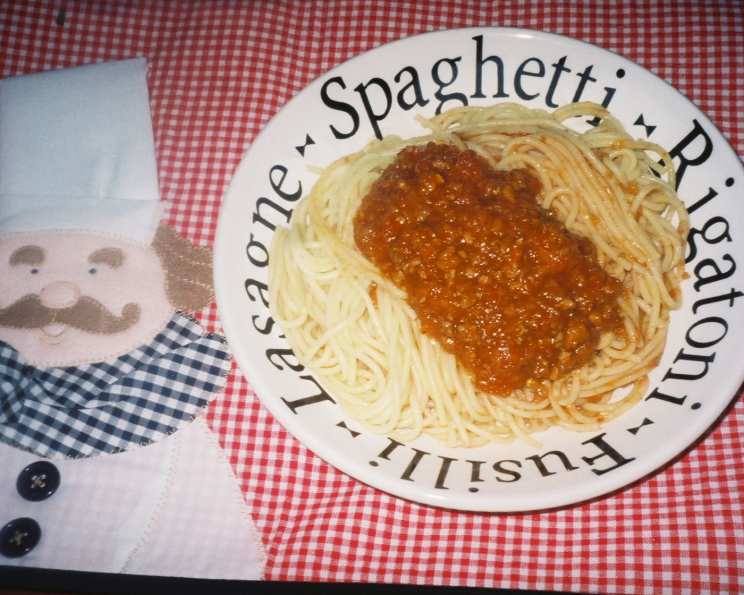
The Quintessential Italian Meat Sauce: A Labor of Love
There’s a certain comfort that washes over me when the rich, complex aroma of a slow-simmered meat sauce begins to fill the kitchen. It’s a smell that instantly transports me back to my grandmother’s bustling home on Sunday afternoons. The air would be thick with anticipation, the clatter of plates a prelude to the family gathering around a table laden with steaming bowls of pasta, each adorned with a generous ladleful of this very sauce. This isn’t just food; it’s edible history, a testament to patience, and a powerful reminder of the love poured into every ingredient.
Recipe Overview
- Prep Time: 30 minutes
- Cook Time: 3 hours
- Total Time: 3 hours 30 minutes
- Servings: 12-16
- Yield: Enough for one large lasagna or multiple pasta dishes.
- Dietary Type: Classic Italian
Ingredients
This sauce is built on a foundation of quality ingredients, with the trinity of aromatics – onion, carrot, and celery – forming the flavor base. The richness comes from a thoughtful blend of meats, deepened by the acidity and fruitiness of tomatoes, and the concentrated essence of tomato paste.
- 3 large onions
- 3 medium carrots
- 3 stalks celery (including leaves, if available, for extra flavor)
- 2 tablespoons olive oil
- 1 lb ground beef
- 1 lb ground pork
- 1 cup red wine (a dry variety like Chianti or Merlot works beautifully)
- 5 teaspoons salt
- 1/2 to 1 teaspoon black pepper (freshly ground is always best)
- 2 (28-ounce) cans tomatoes (chopped or Kitchen Ready)
- 6 ounces tomato paste
- 6 ounces water
- 1 slice salt pork (optional, but highly recommended for an authentic depth of flavor)
Equipment Needed
- A large, heavy-bottomed pot or Dutch oven (essential for even heat distribution and slow simmering)
- Food processor (for finely mincing the aromatics)
- Large skillet
- Wooden spoon or heatproof spatula
Instructions
Crafting this sauce is a journey, not a race. The magic happens in the slow simmer, allowing the flavors to meld and deepen into something truly extraordinary.
- Begin by preparing your aromatic base. Place the onions, carrots, celery (with leaves), and the optional salt pork (if using) into a food processor. Process until you achieve a fine paste. This ensures the vegetables break down beautifully and release their full flavor potential into the sauce.
- Heat the olive oil in a large, heavy-bottomed pot or Dutch oven over medium heat. Add the processed vegetable and salt pork mixture. Cook, stirring frequently, until the mixture is softened and lightly browned, about 10-15 minutes. This step is crucial for building the initial layer of flavor.
- Increase the heat to medium-high and add the ground beef and ground pork to the skillet. Brown the meat, breaking it up with your spoon as it cooks. Continue to cook until no pink remains and the fat has rendered. Drain off any excess fat, leaving behind just enough to coat the bottom of the pot.
- Pour in the wine and scrape the bottom of the pot with your spoon to loosen any browned bits – this is called deglazing and adds immense flavor. Let the wine simmer and reduce, allowing the alcohol to evaporate, which typically takes about 3-5 minutes.
- Now, introduce the tomatoes and their companions. Add the salt, black pepper, tomatoes (chopped or Kitchen Ready), tomato paste, and water. Stir everything together, ensuring the tomato paste is fully incorporated.
- Bring the sauce to a rolling boil, then immediately reduce the heat to low. Cover the pot and let the sauce simmer gently for 2 hours. It’s imperative to stir the sauce from the bottom every 20 minutes. This prevents sticking and burning, which can easily happen with a long simmer. Be mindful of the heat; it should be low enough that the sauce is just barely bubbling. If it looks like it’s cooking too vigorously, reduce the heat further.
- After 2 hours of covered simmering, remove the lid and continue to simmer for 1 more hour, uncovered. This allows the sauce to thicken further and the flavors to concentrate beautifully. Stir occasionally to prevent a skin from forming and to ensure even cooking.
Expert Tips & Tricks
- The Power of Patience: The 3-hour simmer is not negotiable. This is where the true depth of flavor develops. Resist the urge to rush the process; it’s the slow transformation that makes this sauce so special.
- Meat Matters: While the recipe calls for a beef and pork blend, feel free to experiment. Some chefs swear by adding a bit of veal for extra tenderness, or even pancetta instead of salt pork for a nuanced flavor.
- The Importance of the Sauté: Don’t rush sautéing the mirepoix (onions, carrots, celery) and salt pork. Allowing them to soften and lightly caramelize before adding the meat builds a crucial flavor foundation.
- Wine Wisdom: A good quality, dry red wine is essential. It adds acidity and complexity that cuts through the richness of the meat and tomatoes. If you don’t drink alcohol, you can substitute with an equal amount of beef broth or a mix of broth and a splash of red wine vinegar.
- Tomato Choice: While canned chopped or Kitchen Ready tomatoes are convenient, if you have access to high-quality crushed San Marzano tomatoes, they will elevate your sauce to an entirely new level.
Serving & Storage Suggestions
This Italian meat sauce is incredibly versatile. It’s the classic pairing for a wide range of pasta shapes – think wide tagliatelle, hearty rigatoni, or delicate linguine. It’s also the star of a magnificent lasagna or a delicious topping for polenta or even rice. Serve hot, with a generous dusting of freshly grated Parmigiano-Reggiano cheese and a sprig of fresh basil for a pop of color and aroma.
Leftovers are a gift! This sauce stores exceptionally well. Once completely cooled, transfer it to an airtight container and refrigerate for up to 4-5 days. For longer storage, freeze portions in freezer-safe containers or heavy-duty freezer bags for up to 3-4 months. Reheat gently on the stovetop over low heat, stirring occasionally, until heated through.
Nutritional Information
While the exact nutritional profile can vary based on brands and specific ingredients used, here’s an approximate breakdown per serving (assuming 16 servings).
| Nutrient | Amount per Serving | % Daily Value |
|---|---|---|
| Calories | 272 kcal | 14% |
| Total Fat | 16.4 g | 21% |
| Saturated Fat | 5.6 g | 28% |
| Cholesterol | 53 mg | 18% |
| Sodium | 1156 mg | 50% |
| Total Carbohydrate | 12.8 g | 5% |
| Dietary Fiber | 3.3 g | 12% |
| Sugars | 7.5 g | 15% |
| Protein | 15.8 g | 32% |
Note: Daily Values are based on a 2,000-calorie diet. Your daily values may be higher or lower depending on your calorie needs.
Variations & Substitutions
- Spicy Kick: Add a pinch of red pepper flakes along with the salt and pepper for a subtle heat that builds as you eat.
- Creamy Indulgence: Stir in a splash of heavy cream or a dollop of mascarpone cheese during the last 30 minutes of simmering for an extra decadent sauce.
- Vegetarian Option: While this is a meat sauce recipe, for a vegetarian version, omit the meats and salt pork. Sauté extra mushrooms and perhaps add some diced zucchini and bell peppers for substance. You might also want to use a good quality vegetable broth instead of water for added depth.
FAQs
Q: Why does this sauce need to simmer for so long?
A: The extended simmering time allows the flavors to deepen and meld, transforming simple ingredients into a rich, complex, and harmonious sauce. It also tenderizes the meat and breaks down the vegetables for a smoother texture.
Q: Can I use fresh tomatoes instead of canned?
A: Yes, you can! If using fresh tomatoes, you’ll want to use about 3-4 pounds of ripe tomatoes, blanched, peeled, seeded, and then crushed. This will require more cooking time to reduce to the desired consistency.
Q: Is it okay to leave out the salt pork?
A: While the salt pork adds a wonderful depth and authentic flavor, you can omit it. You might consider adding a touch more olive oil and perhaps a small piece of pancetta if you have it, or just proceed without it; the sauce will still be delicious.
Q: How can I thicken the sauce if it’s too thin?
A: The uncovered simmer in the final hour is designed to thicken the sauce. If it’s still too thin after that, you can continue simmering uncovered for a bit longer, stirring frequently. Alternatively, you can create a slurry with 1 tablespoon of cornstarch or flour mixed with 2 tablespoons of cold water and stir it into the simmering sauce until thickened.
Q: What kind of pasta is best with this sauce?
A: This hearty meat sauce pairs wonderfully with robust pasta shapes that can hold their own, such as tagliatelle, pappardelle, rigatoni, or penne. It’s also the quintessential sauce for lasagna.
Final Thoughts
This Italian meat sauce is more than just a recipe; it’s an experience. It’s an invitation to slow down, to savor the process, and to create something truly memorable for yourself and your loved ones. The hours spent tending to the pot are rewarded with a sauce that speaks of tradition, comfort, and unparalleled flavor. So, embrace the journey, enjoy the intoxicating aromas, and prepare to share a dish that will undoubtedly become a cherished part of your culinary repertoire. Serve it with a simple green salad and a robust Italian red wine for a truly complete meal. Buon appetito!