
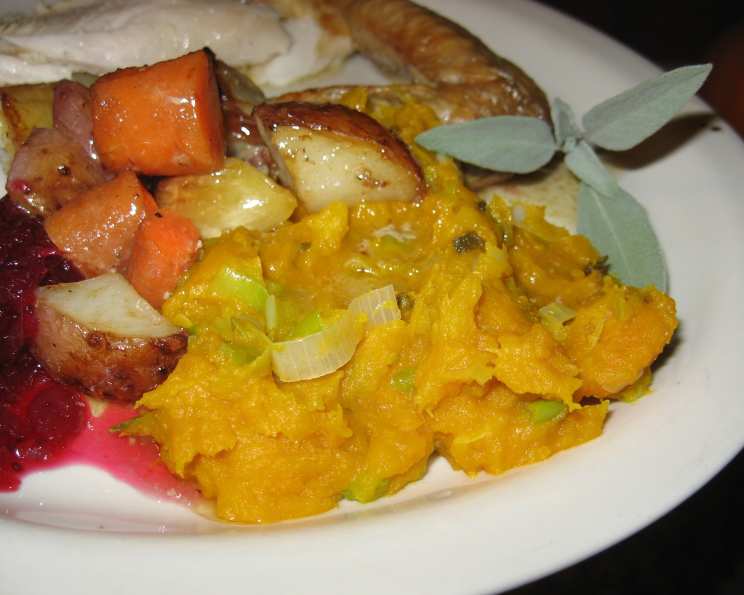
Kabocha Squash with Sage and Leeks: A Symphony of Autumnal Flavors
I still recall the first time I experienced this sublime combination. It was a crisp autumn evening in Los Angeles, at a restaurant named JAR, where the focus was on elegantly executed, ingredient-driven dishes. When I saw Kabocha Squash with Sage and Leeks on the menu, I was intrigued. The earthy sweetness of the squash, the fragrant, almost piney notes of fried sage, and the subtle, sweet oniony whisper of leeks promised a perfect autumnal harmony. The LA Times later shared the recipe, and I knew instantly I had to recreate that magic in my own kitchen. It’s a dish that manages to be both remarkably simple and profoundly satisfying, a testament to the power of thoughtfully combined, high-quality ingredients.
Recipe Overview
- Prep Time: 20 minutes
- Cook Time: 60-90 minutes (for squash), 10 minutes (for finishing)
- Total Time: 1 hour 20 minutes – 1 hour 40 minutes
- Servings: 4-6
- Dietary Type: Vegetarian, Gluten-Free (ensure butter is vegetarian if needed)
Ingredients
- 1 kabocha squash (approximately 2 ½ to 3 pounds)
- ½ cup butter (1 stick)
- 4-8 fresh sage leaves, finely chopped into ribbons
- 1 leek, white part only, julienned
- 1 teaspoon salt
Equipment Needed
- Sharp chef’s knife
- Baking sheet
- Large skillet
- Fork or small paring knife
- Spoon
- Bowl
- Potato masher or fork
Instructions
The beauty of this dish lies in its straightforward approach, allowing the inherent flavors of the ingredients to shine. The process begins with tenderizing the kabocha squash, a step that yields to a wonderfully creamy texture.
- Preheat your oven to 350°F (175°C). This moderate temperature will allow the squash to cook through evenly without becoming mushy.
- Prepare the kabocha squash. Begin by thoroughly washing the exterior of the squash. Once clean, use a sharp, sturdy knife to carefully poke 2 to 4 holes into the center of the squash. These vents are crucial to prevent the squash from building up steam pressure as it bakes.
- Bake the whole squash. Place the prepared squash directly onto a baking sheet. Roast it in the preheated oven for 60 to 90 minutes. The exact cooking time will depend on the size and density of your squash, but the goal is for it to be completely tender. You’ll know it’s ready when a fork or a sharp knife can easily pierce the skin and flesh.
- Process the cooked squash. Once the squash is tender and has finished baking, carefully remove it from the oven. Allow it to cool just enough so that it’s safe to handle. Cut the squash in half lengthwise. Using a spoon, scoop out and discard the seeds and stringy fibers from the center of each half. Then, scoop the tender flesh from the skin into a bowl.
- Mash the squash. Using a potato masher or a fork, mash the squash flesh. It’s important to achieve a smooth, but not pureed, consistency. You want a pleasant texture, with just a hint of its natural chunkiness. Avoid using a food processor or blender, as this can make the squash too watery.
- Melt the butter. While the squash is still warm or while you’re preparing the next steps, melt the ½ cup of butter in a large skillet over medium heat.
- Crisp the sage. Once the butter is melted and shimmering, add the finely chopped sage ribbons. Fry them for approximately 1 to 2 minutes, or until they become crisp and fragrant. Keep a close eye on them, as sage can burn quickly.
- Soften the leeks. Add the julienned leek (white part only) to the skillet with the sage and butter. Continue to heat over medium heat for 2 to 5 minutes, stirring occasionally, until the leeks are soft and translucent.
- Combine and heat. Now, add the mashed kabocha squash to the skillet. Mix everything together gently until all the butter has been incorporated into the squash and the leeks and sage are evenly distributed. Continue to heat for a few more minutes, allowing the flavors to meld.
Expert Tips & Tricks
- Choosing Your Squash: Look for a kabocha squash that feels heavy for its size, indicating good moisture content. The skin should be firm and free of soft spots or bruises.
- Sage Intensity: The amount of sage can be adjusted to your preference. For a more pronounced sage flavor, start with 8 leaves; for a subtler hint, use 4. Frying the sage until crisp is key to unlocking its full aromatic potential.
- Leek Prep: When julienning the leek, ensure you are only using the white and light green parts, as the dark green tops can be tough and fibrous.
- Seasoning: Taste and adjust the salt at the end. Kabocha squash has a natural sweetness, so a touch of salt is crucial for balancing those flavors.
- Don’t Over-Mash: A slightly rustic texture in the mashed squash adds to the dish’s charm. Avoid overworking it into a completely smooth paste.
Serving & Storage Suggestions
This Kabocha Squash with Sage and Leeks is a wonderfully versatile side dish. Serve it warm, directly from the skillet, spooned into a serving bowl. It’s particularly delightful alongside roasted meats like chicken or pork, or as a comforting vegetarian centerpiece with grains or lentils.
Leftovers can be stored in an airtight container in the refrigerator for up to 3 days. To reheat, gently warm it in a skillet over low heat or in a microwave until heated through. Be mindful that reheating can slightly alter the texture, but the flavor will remain delightful.
Nutritional Information
| Nutrient | Amount per Serving (approximate) | % Daily Value (approximate) |
|---|---|---|
| Calories | 313.5 kcal | |
| Calories from Fat | 150 kcal | |
| Total Fat | 23.4 g | 36% |
| Saturated Fat | 14.7 g | 73% |
| Cholesterol | 61 mg | 20% |
| Sodium | 799.8 mg | 33% |
| Total Carbohydrate | 27.5 g | 9% |
| Dietary Fiber | 4.7 g | 18% |
| Sugars | 7.1 g | 28% |
| Protein | 3.3 g | 6% |
Note: Nutritional values are estimates and can vary based on specific ingredients and portion sizes.
Variations & Substitutions
While this recipe is delightful in its simplicity, feel free to explore a few variations to suit your palate or pantry:
- Herbal Twist: If sage isn’t readily available, consider using fresh thyme or rosemary, chopped finely. These herbs will offer a different but equally delicious aromatic profile.
- Spicy Kick: For a hint of heat, add a pinch of red pepper flakes to the skillet along with the leeks and sage.
- Creamier Texture: If you prefer a creamier finish, you can stir in a tablespoon or two of heavy cream or a dairy-free alternative, like coconut milk, at the very end of cooking.
- Nutty Undertones: Toasted chopped pecans or walnuts can be sprinkled over the finished dish for added crunch and nutty flavor, complementing the earthy squash beautifully.
FAQs
Q: What makes kabocha squash special for this recipe?
A: Kabocha squash possesses a naturally sweet, nutty flavor and a tender, creamy texture when cooked, making it an ideal base for this dish.
Q: Can I use dried sage instead of fresh?
A: While fresh sage is highly recommended for its superior flavor and aroma, you can use dried sage. Use about 1 teaspoon of dried sage, crumbled, and add it earlier with the leeks to allow its flavor to rehydrate.
Q: What’s the best way to tell if the kabocha squash is fully cooked?
A: The squash is ready when a fork or a sharp knife can be easily inserted into the skin and flesh with little resistance.
Q: Can I prepare this dish ahead of time?
A: You can bake and mash the squash ahead of time and refrigerate it. When ready to serve, sauté the sage and leeks, then add the mashed squash to heat through.
Q: Is this dish suitable for a vegan diet?
A: The recipe as written contains butter. For a vegan version, substitute the butter with a plant-based butter alternative or olive oil.
Final Thoughts
This Kabocha Squash with Sage and Leeks is more than just a side dish; it’s a celebration of the season. It’s the kind of recipe that brings warmth to your kitchen and comfort to your table. The subtle sweetness of the squash, perfectly balanced by the aromatic sage and the gentle oniony notes of the leeks, creates a harmonious experience that’s both sophisticated and grounding. I encourage you to try this recipe, to savor the simplicity and the depth of flavor it offers. It pairs beautifully with a crisp white wine or a robust red, and I’d love to hear about your experience and any delightful variations you discover. Happy cooking!