
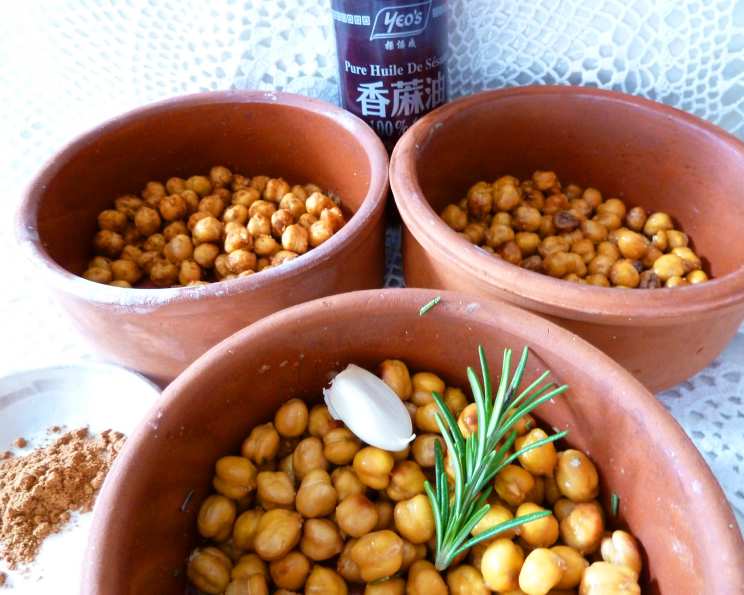
Kadami: The Unsung Lebanese Snack of Roasted Chickpea Delight
The scent of roasted chickpeas, or Kadami, transports me back to bustling souks in Beirut, where small vendors would roast batches throughout the day, their savory aroma wafting through the air, beckoning passersby. I remember being a child, clutching a few coins, eagerly anticipating a warm paper cone filled with these perfectly crispy, nutty morsels. They weren’t just a snack; they were a taste of home, a moment of pure, unadulterated joy. This simple yet profoundly satisfying dish embodies the very essence of Lebanese hospitality and resourceful cooking, transforming humble ingredients into something truly magical.
Recipe Overview
- Prep Time: 8 hours (including soaking)
- Cook Time: 15–25 minutes (roasting)
- Total Time: 8 hours 6 minutes
- Servings: 4
- Yield: Approximately 2 1/2 cups roasted chickpeas
- Dietary Type: Vegan, Gluten-Free, Dairy-Free
Ingredients
- 2 1/2 cups dry chickpeas
For Flavoring (Optional, add immediately after roasting)
- Olive oil
- Garlic salt
- Black pepper
- Clipped rosemary leaves
- Soy sauce
- Oriental sesame oil (dark)
- Hot chili powder
- Tomato juice
- Curry powder
Equipment Needed
- Large bowl (for soaking)
- Colander
- Large skillet or home-style coffee bean roaster (for stovetop roasting)
- Microwave-safe dish (if using microwave method)
- Baking sheet (if using oven method, though not explicitly stated in the original directions, it’s a common and effective tool)
- Measuring cups
- Measuring spoons
Instructions
The journey to perfectly roasted Kadami begins with patience and a bit of foresight. These humble dried chickpeas, once rehydrated, transform into a canvas for incredible flavor and a delightful crunchy texture.
- Soaking the Chickpeas: Begin by thoroughly rinsing the dry chickpeas under cool running water. Then, place them in a large bowl and cover them generously with water. Allow them to soak for at least 8 hours, or preferably overnight. This crucial step rehydrates the chickpeas, ensuring they cook evenly and develop a tender interior once roasted.
- Draining the Chickpeas: Once the soaking period is complete, drain the peas thoroughly using a colander. Ensure all excess water is removed, as this will help achieve the desired crispiness during the roasting process.
- Roasting the Chickpeas – Stovetop Method:
- Heat a large skillet or a home-style coffee bean roaster over medium-low heat.
- Add the drained chickpeas to the hot skillet or roaster.
- Stir constantly for approximately 25 minutes for regular-sized chickpeas, or 15 to 20 minutes for smaller ones. The goal is to achieve a well-roasted texture that is nutty and potato-like, not raw. Continuous stirring is key to prevent burning and ensure even cooking.
- Roasting the Chickpeas – Microwave Method:
- Place the drained chickpeas in a microwave-safe dish. Ensure they are in a single layer to promote even cooking.
- Microwave on high (100 percent power). The microwaving time will vary depending on the size of your chickpeas and the wattage of your oven, typically taking 2 to 6 minutes.
- Taste periodically to check for doneness. The chickpeas should taste cooked and nutty, not raw or hard.
- Flavoring the Kadami: For those who enjoy flavored roasted chickpeas, this is the moment to get creative. Immediately upon removing the hot, roasted chickpeas from the heat, add your chosen flavorings. It’s important that the flavoring liquid absorbs into or dries onto the peas, rather than leaving them sitting in pools of liquid.
- Toss frequently as they cool to ensure the flavors are well distributed and the peas maintain their crispness.
- Serve immediately for the freshest, most satisfying crunch, or refrigerate for later use.
Flavoring Combinations to Explore:
- Herbed Rosemary: A simple yet aromatic blend of olive oil, garlic salt, black pepper, and finely clipped rosemary leaves.
- Spicy Soy Sesame: A savory kick from soy sauce, complemented by the depth of Oriental sesame oil (dark) and a pinch of hot chili powder.
- Curried Tomato: A vibrant and earthy combination of tomato juice and curry powder.
Expert Tips & Tricks
The beauty of Kadami lies in its simplicity, but a few chef-driven techniques can elevate this snack to an art form.
- The Soak is Non-Negotiable: Don’t be tempted to shorten the soaking time. Proper rehydration is paramount for a tender interior and optimal roasting. If you’re in a hurry, a quick boil for an hour after an initial 4-hour soak can be a substitute, though the texture might be slightly different.
- Watch for the Signs of Doneness: Over-roasting is the enemy of good Kadami. You’re aiming for a texture that’s cooked through, nutty, and has a satisfying crunch. If they become hard and burned, they’ve gone too far. A slight tenderness inside with a crisp exterior is the sweet spot.
- Flavor Infusion Timing is Key: Adding flavorings while the chickpeas are still hot allows them to absorb the essence of the spices and liquids beautifully. Think of it like searing a steak – the heat helps create that delicious crust and allows marinades to penetrate.
- Constant Vigilance on the Stovetop: If you opt for the stovetop method, especially in a skillet, stirring constantly is not just a suggestion; it’s a necessity. Chickpeas can go from perfectly roasted to burnt in mere minutes, so stay attentive.
- Microwave Mastery: The microwave is a surprisingly effective tool for Kadami, but its speed means you need to be vigilant. Start with the lower end of the suggested cooking time and check frequently. The size of your chickpeas and the power of your microwave will dictate the exact duration.
- Cooling for Crispness: While tossing them as they cool helps distribute flavor, allowing them to cool completely on a tray or baking sheet (if not using a coffee roaster) can further enhance their crispness. Avoid stacking them in a warm pile, as trapped steam can soften them.
Serving & Storage Suggestions
Kadami is best enjoyed fresh, still warm from the roasting pan, with its intoxicating aroma filling your kitchen. Serve them in small bowls or paper cones for an authentic touch. They make a fantastic appetizer, a healthy movie-night snack, or a delightful addition to a mezze platter alongside hummus, baba ghanoush, and fresh pita bread.
If you find yourself with any leftovers (a rare occurrence, I assure you!), store them in an airtight container in the refrigerator. They will maintain their crunch for a couple of days. To revive them, you can gently reheat them in a low oven (around 300°F/150°C) for a few minutes, or briefly toast them in a dry skillet. Be mindful that microwaving leftovers can sometimes result in a softer texture.
Nutritional Information
Here’s an approximate nutritional breakdown per serving, based on the plain roasted chickpeas without added flavorings:
| Nutrient | Amount per Serving | % Daily Value |
|---|---|---|
| Calories | 178.5 kcal | |
| Total Fat | 1.7 g | 2% |
| Saturated Fat | 0.2 g | 0% |
| Cholesterol | 0 mg | 0% |
| Sodium | 448.5 mg | 18% |
| Total Carbohydrate | 33.9 g | 11% |
| Dietary Fiber | 6.6 g | 26% |
| Sugars | 0 g | 0% |
| Protein | 7.4 g | 14% |
Note: Nutritional values are estimates and can vary based on specific ingredients and preparation methods. Sodium content will increase significantly with the addition of salt or soy sauce.
Variations & Substitutions
While the classic preparations are divine, the versatility of Kadami invites endless creativity.
- Smoky Paprika: For a touch of Spanish flair, toss the hot chickpeas with smoked paprika, a pinch of garlic powder, and a drizzle of olive oil.
- Za’atar Zing: A generous dusting of za’atar, the quintessential Middle Eastern herb blend, paired with a bit of lemon zest, creates a vibrant and tangy Kadami.
- Sweet & Spicy: Experiment with a small amount of honey or maple syrup (added at the very end of roasting to prevent burning) combined with a pinch of cayenne pepper for a delightful sweet and spicy contrast.
- Herb Garden Medley: Mix and match your favorite fresh herbs like thyme, oregano, or marjoram with olive oil and sea salt for a truly personalized flavor profile.
- Citrus Burst: A squeeze of fresh lemon or lime juice over the hot chickpeas, followed by a sprinkle of salt, adds a refreshing brightness.
FAQs
Q: Can I use canned chickpeas instead of dry chickpeas?
A: While you can roast canned chickpeas, the texture and flavor will be significantly different. For the authentic Kadami experience, dry chickpeas are essential for their superior texture and ability to absorb flavors.
Q: My roasted chickpeas aren’t crispy. What went wrong?
A: Ensure your chickpeas were thoroughly drained after soaking and before roasting. Also, make sure you aren’t overcrowding the pan or microwave dish, as this can lead to steaming rather than crisping. Roasting at a slightly higher temperature for a shorter time can also help.
Q: How long do Kadami last?
A: For the best crunch, Kadami is best enjoyed the same day. Refrigerated, they will last for 2-3 days but may lose some of their crispness.
Q: Can I add other spices besides the suggested flavorings?
A: Absolutely! Kadami is a fantastic base for experimentation. Feel free to add cumin, coriander, turmeric, or any other spices you enjoy.
Q: Is there a way to make Kadami spicier?
A: Yes, you can increase the amount of hot chili powder in the soy sauce mixture or add a pinch of red pepper flakes to any of your chosen flavorings for an extra kick.
Final Thoughts
Kadami is more than just a recipe; it’s an experience, a taste of tradition, and a testament to the power of simple ingredients. It’s a snack that requires a little time and attention, but the reward is a delightful crunch and a burst of nutty, savory flavor that’s utterly addictive. I encourage you to try this recipe, to perhaps create your own memories around these roasted gems, and to share them with loved ones. Pair them with a refreshing glass of mint lemonade or a bold Lebanese coffee for a truly authentic and satisfying treat. May your Kadami be ever so crisp!