
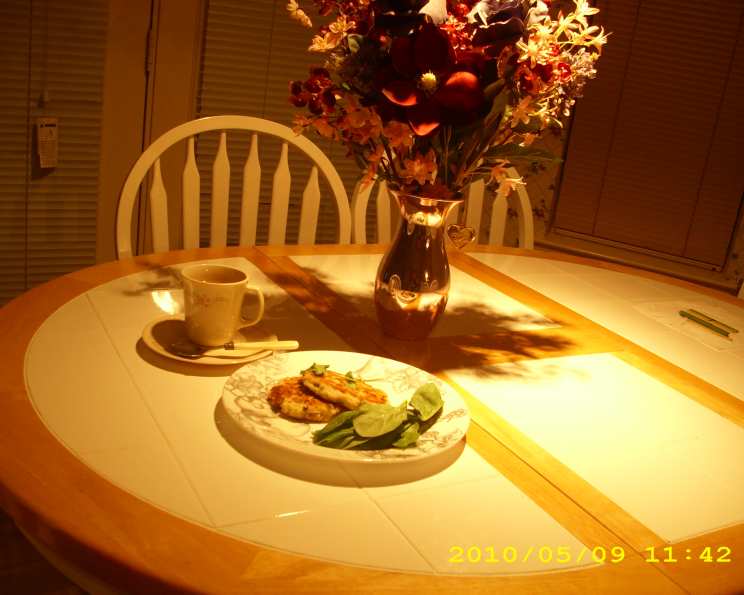
Kandhe Ki Roti – Mummy’s Favourite Onion Paratha
The scent of onions, softened and sweet, mingling with the earthy aroma of whole wheat flour – that’s the essence of home for me. It’s a scent that transports me back to childhood mornings, to the comforting presence of my mother in the kitchen, her hands moving with practiced ease, transforming simple ingredients into pure magic. Kandhe ki Roti, or Onion Paratha, was more than just breakfast; it was a ritual, a warm embrace on a plate, a testament to the love she poured into every meal. The memory of her making these, with a gentle smile and a cup of steaming chai by her side, is etched in my heart, a culinary legacy I cherish.
Recipe Overview
- Prep Time: 20 minutes
- Cook Time: 20-25 minutes
- Total Time: 40-45 minutes
- Servings: 4
- Yields: 8-10 parathas
- Dietary Type: Vegetarian
Ingredients
This recipe requires just a handful of pantry staples, readily available for any home cook.
- 3 medium onions, finely chopped
- 2 big green chilies, finely chopped (adjust to your spice preference)
- 1/4 cup gram flour (besan)
- 2 cups whole wheat flour (atta)
- 1 tablespoon oil (for the dough)
- 1/4 cup fresh coriander leaves, washed and chopped
- 1 tablespoon salt (or to taste)
- 2-3 tablespoons oil, for kneading the dough
- Water, as required, for kneading the dough
- 3 tablespoons oil, for cooking the parathas on either side
Equipment Needed
- Large mixing bowl
- Rolling pin
- Flat griddle or non-stick pan (tawa)
- Spatula
- Measuring cups and spoons
- Sharp knife and cutting board
Instructions
Crafting these delightful onion parathas is a straightforward process, yielding a truly satisfying meal. Follow these steps carefully, and you’ll soon be enjoying a taste of home.
-
Prepare the Onion Mixture: In a medium-sized bowl, combine the finely chopped onions, finely chopped green chilies, and chopped fresh coriander leaves. Add the gram flour, salt, and the 1 tablespoon of oil to this mixture. Gently mix everything together, ensuring the gram flour coats the onions and chilies evenly. The gram flour acts as a binder, preventing the filling from spilling out during cooking and adding a subtle, nutty depth.
-
Prepare the Dough: In a separate large mixing bowl, add the 2 cups of whole wheat flour. Create a well in the center of the flour. Gradually add the prepared onion mixture to the flour.
-
Knead the Dough: Begin to incorporate the onion mixture into the flour. Slowly add water, a little at a time, while continuously mixing and kneading. The amount of water needed will vary depending on the moisture content of the onions and the type of whole wheat flour. Continue kneading until you form a soft, pliable dough. It should be smooth and elastic, not sticky. Once the dough has come together, add the 2-3 tablespoons of oil for kneading. This oil is crucial for making the dough supple and for achieving a soft paratha. Knead for another 5-7 minutes until the dough is well-combined and no longer sticks to your hands or the sides of the bowl. Cover the dough with a damp cloth and let it rest for about 10-15 minutes. This resting period allows the gluten to relax, making the dough easier to roll.
-
Divide and Shape: After the dough has rested, lightly knead it again for a minute. Divide the dough into 8-10 equal-sized portions. Roll each portion into a smooth ball.
-
Roll the Parathas: Take one dough ball and flatten it slightly. On a lightly floured surface, use a rolling pin to roll out the dough into a disc, approximately 6-7 inches in diameter. Aim for an even thickness. If the dough feels sticky, dust your rolling pin and surface with a little dry flour. The key here is to roll it evenly so that the onion mixture is distributed throughout the paratha.
-
Cook the Parathas: Heat a griddle or a flat pan (tawa) over medium heat. Once the griddle is hot, place one rolled paratha onto it. Cook for about 1-2 minutes on one side, until you see small bubbles starting to form.
-
Flip and Add Oil: Using a spatula, carefully flip the paratha. Drizzle about half a teaspoon of oil over the cooked side.
-
Cook the Second Side: Cook the second side for another 1-2 minutes, or until golden brown spots appear. Flip the paratha again and drizzle the remaining half teaspoon of oil onto the first side, which is now facing up.
-
Continue Cooking: Continue to cook the paratha, flipping it occasionally and pressing gently with the spatula, until both sides are golden brown and cooked through. The cooking time for each paratha will be approximately 3-4 minutes. Repeat this process for all the remaining dough balls, adding oil as needed.
-
Serve Hot: Once cooked, transfer the Kandhe Ki Roti to a plate. Serve immediately while hot, preferably with a dollop of butter or ghee, and a cup of hot Indian chai (tea).
Expert Tips & Tricks
- Onion Moisture: If your onions are particularly watery, you can lightly squeeze out some of the excess moisture before adding them to the gram flour. This will help prevent the dough from becoming too sticky.
- Dough Consistency: The key to a soft paratha is a soft dough. If your dough is too stiff, the paratha will be hard and chewy. Don’t be afraid to add a little more water if needed during kneading.
- Even Rolling: Ensure you roll the parathas evenly. Uneven thickness can lead to some parts being undercooked while others are overcooked.
- Medium Heat is Key: Cooking on medium heat allows the paratha to cook through without burning. If the heat is too high, the outside will brown quickly while the inside remains uncooked.
- Don’t Overcrowd the Pan: Cook parathas one at a time to ensure they cook evenly and you have enough space to maneuver.
Serving & Storage Suggestions
Kandhe Ki Roti is best enjoyed fresh off the griddle, warm and fragrant. It pairs wonderfully with a variety of accompaniments:
- Yogurt or Raita: A cooling cucumber raita or plain yogurt offers a delightful contrast to the spiced onions.
- Pickles (Achaar): Tangy Indian pickles add an extra layer of flavor.
- Chutneys: Mint-coriander chutney or tamarind chutney are excellent choices.
- Simple Dal: A comforting lentil dish can complete a wholesome meal.
Leftovers can be stored in an airtight container at room temperature for up to 24 hours. For longer storage, refrigerate for up to 2-3 days. To reheat, warm them gently on a griddle or in a toaster oven until they are heated through and pliable.
Nutritional Information
While precise nutritional values can vary based on ingredient brands and exact quantities used, here’s an estimated breakdown for one serving of Kandhe Ki Roti.
| Nutrient | Amount per Serving | % Daily Value (approx.) |
|---|---|---|
| Calories | 150-180 kcal | – |
| Total Fat | 7-9 g | 9-12% |
| Saturated Fat | 1-2 g | 5-10% |
| Cholesterol | 0 mg | 0% |
| Sodium | 300-400 mg | 13-17% |
| Total Carbohydrate | 18-22 g | 6-7% |
| Dietary Fiber | 2-3 g | 7-11% |
| Sugars | 1-2 g | 2-4% |
| Protein | 3-4 g | 6-8% |
| Vitamin A | – | – |
| Vitamin C | – | – |
| Calcium | – | – |
| Iron | – | – |
Note: This is an estimation. Actual values will depend on your specific ingredients and preparation methods.
Variations & Substitutions
While the classic recipe is perfection, here are a few ideas to adapt it to your preferences:
- Spicier Version: Add a pinch of red chili powder along with the green chilies for an extra kick.
- Herbal Twist: Experiment with other fresh herbs like dill or fenugreek leaves (methi) alongside or instead of coriander.
- Nutty Flavor: A teaspoon of toasted cumin seeds or carom seeds (ajwain) added to the dough can impart a wonderful aroma and flavor.
- Gluten-Free Option: For a gluten-free version, you could try substituting a portion of the whole wheat flour with a gluten-free flour blend, though the texture might differ slightly.
FAQs
Q: Can I make the dough ahead of time?
A: Yes, you can prepare the dough a few hours in advance and store it covered in the refrigerator. Bring it to room temperature before rolling.
Q: My parathas are not turning out soft. What am I doing wrong?
A: Ensure you are using enough oil for kneading and that your dough is soft and pliable. Cooking on medium heat is also crucial for softness.
Q: Can I use all-purpose flour (maida) instead of whole wheat flour?
A: You can, but using whole wheat flour (atta) provides a healthier and more traditional flavor and texture for this paratha.
Q: How can I prevent the onion filling from falling out while rolling?
A: Ensure the gram flour is well-mixed with the onions to bind them. Also, roll the parathas evenly and not too thinly, and avoid stretching the dough too much.
Q: What is the best way to serve Kandhe Ki Roti?
A: It’s best served piping hot, perhaps with a simple pickle, yogurt, or a dollop of ghee.
Final Thoughts
There’s a profound comfort in recreating dishes that hold such personal significance. Kandhe Ki Roti is one of those treasures, a simple yet profoundly flavorful dish that speaks volumes about home and heritage. It’s a testament to how everyday ingredients, prepared with love, can create moments of pure culinary joy. I encourage you to try this recipe, to infuse your kitchen with the warm, inviting aroma of sautéing onions and to savor each bite. May it bring you as much comfort and happiness as it has always brought me. Share your experiences, and let the aroma of these parathas fill your homes with warmth.