
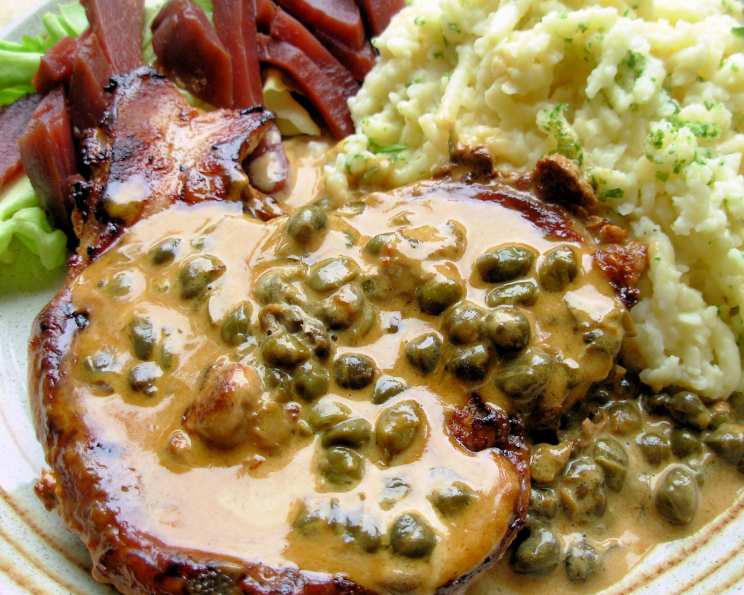
Kapernschnitzel: A Timeless Veal Classic with a Zesty Twist
There are certain dishes that, once tasted, lodge themselves permanently in the culinary memory. For me, Kapernschnitzel is one of those enduring treasures. I first encountered it in a bustling Viennese Gasthaus many years ago, the aroma of pan-seared veal and the bright tang of capers wafting from the open kitchen. It wasn’t just a meal; it was an immersion into Austrian comfort and culinary ingenuity. The simplicity of the preparation belied a depth of flavor that was utterly captivating, a perfect balance of richness and zest. This dish, which I’ve since adopted and lovingly tweaked, is a testament to how a few well-chosen ingredients can create something truly extraordinary.
Recipe Overview
- Prep Time: 15 minutes
- Cook Time: 12 minutes
- Total Time: 27 minutes
- Servings: 4
- Yield: 4 cutlets
- Dietary Type: Not specified
Ingredients
The beauty of Kapernschnitzel lies in its elegant simplicity, relying on high-quality ingredients to shine. Here’s what you’ll need for this classic preparation:
- 24 ounces veal cutlets, pounded lightly just to even (typically 4 cutlets, about 6 ounces each)
- 2 tablespoons lemon juice
- 1/2 teaspoon salt
- 1/8 teaspoon pepper
- 1/2 teaspoon paprika
- 1 tablespoon all-purpose flour
- 1 tablespoon vegetable oil
- 2 ounces capers, rinsed and drained
- 1/4 cup dry white wine
- 1 bay leaf
- 3 tablespoons evaporated milk or 3 tablespoons heavy cream
Garnish
- 1 pickled beet, sliced
- 4 lettuce leaves
Equipment Needed
While this dish is wonderfully straightforward, a few essential tools will ensure your success:
- A sturdy frying pan or skillet
- A meat mallet or rolling pin for pounding veal
- A plate or platter for holding cooked cutlets
- A small bowl for seasoning
- A whisk or spoon for sauce
- A preheated platter for serving
Instructions
Crafting a perfect Kapernschnitzel is a rewarding process that, with attention to detail, yields a spectacular result. Follow these steps closely for an authentic and delicious experience.
- Begin by preparing your veal cutlets. If they aren’t already uniformly thin, place them between two sheets of plastic wrap or parchment paper and gently pound them with a meat mallet or the flat side of a rolling pin until they are about 1/4-inch thick. This ensures even cooking.
- In a small bowl, combine the salt, pepper, paprika, and all-purpose flour. This seasoned flour will lightly coat the veal, helping it to brown beautifully and creating a slight richness in the final sauce.
- Sprinkle the pounded veal cutlets on both sides with the lemon juice. This not only adds a bright, zesty note but also helps to tenderize the meat.
- Dredge each veal cutlet in the seasoned flour mixture, shaking off any excess. Ensure they are evenly coated.
- Heat the vegetable oil in a frying pan over medium-high heat. Once the oil is shimmering, carefully add the seasoned veal cutlets.
- Fry the cutlets for 3 minutes on the first side. You’re looking for a beautiful golden-brown crust to form.
- Carefully turn the cutlets over to the second side. Immediately add the rinsed and drained capers to the pan alongside the veal.
- Fry again for 3 minutes. As the second side of the veal cooks, the capers will warm through and release some of their briny flavor into the pan.
- Once the veal is cooked and golden on both sides, remove the cutlets from the pan and arrange them on a preheated platter. Keep them warm while you prepare the sauce.
- Pour the dry white wine into the hot frying pan, being careful as it may steam. Use a wooden spoon or spatula to scrape loose any brown particles from the bottom of the pan. These are flavor treasures that will enrich your sauce.
- Add the bay leaf to the pan.
- Simmer the liquid for 3 minutes, allowing the wine to reduce slightly and for the flavors to meld.
- Remove and discard the bay leaf.
- Reduce the heat to low and blend in the evaporated milk or cream. Whisk gently until the sauce is smooth and emulsified.
- Adjust seasonings to your taste, adding more salt or pepper if needed.
- Pour the sauce evenly over the veal cutlets on the platter.
- For garnish, cut the pickled beet into strips and arrange them on the lettuce leaves. Place these garnishes alongside the Kapernschnitzel.
Expert Tips & Tricks
To elevate your Kapernschnitzel from good to truly exceptional, consider these professional insights:
- Veal Quality Matters: Opt for the best quality veal you can find. Veal loin or leg cutlets are ideal, and ensuring they are pounded to an even thickness is paramount for perfect, quick cooking.
- Don’t Overcrowd the Pan: If you’re cooking more than two cutlets at a time, cook them in batches. Overcrowding will lower the pan temperature and steam the veal instead of searing it, resulting in a less desirable texture.
- The Pan Sauce is Key: The “fond” – those browned bits stuck to the bottom of the pan – is pure gold. Deglazing with wine and then enriching with cream or evaporated milk creates a luscious sauce that ties the dish together. Don’t skip this step!
- Caper Choice: While any capers will work, larger, salt-cured capers (often sold in jars) tend to have a more intense flavor than brine-packed ones. Just be sure to rinse them well to remove excess salt.
- Preheating the Serving Platter: This simple step ensures your beautiful Kapernschnitzel stays warm for longer, allowing everyone to enjoy it at its best.
Serving & Storage Suggestions
Kapernschnitzel is best served immediately, allowing the textures and temperatures to be at their peak. The rich, creamy sauce, the tender veal, and the briny capers are a symphony of flavors.
- Serving: Present the Kapernschnitzel on a warm platter, generously spooning the sauce over each cutlet. The vibrant pickled beet and crisp lettuce garnish add a beautiful visual contrast and a refreshing element to the plate. This dish pairs wonderfully with simple accompaniments like boiled new potatoes, mashed potatoes, or a light green salad.
- Storage: Leftover Kapernschnitzel can be stored in an airtight container in the refrigerator for 1 to 2 days. The sauce and veal should be kept together.
- Reheating: To reheat, gently warm the cutlets and sauce in a skillet over low heat or in a low oven (around 300°F/150°C) until heated through. Avoid overheating, which can toughen the veal.
Nutritional Information
Below is an approximate nutritional breakdown for a serving of Kapernschnitzel. Please note that these values are estimates and can vary based on specific ingredient choices and portion sizes.
| Nutrient | Amount per Serving | % Daily Value |
|---|---|---|
| Calories | 321.5 kcal | |
| Calories from Fat | 145 kcal | |
| Total Fat | 16.1 g | 24% |
| Saturated Fat | 5.8 g | 29% |
| Cholesterol | 144 mg | 48% |
| Sodium | 875 mg | 36% |
| Total Carbohydrate | 5.2 g | 1% |
| Dietary Fiber | 1 g | 3% |
| Sugars | 0.6 g | 2% |
| Protein | 34.9 g | 69% |
Variations & Substitutions
While the classic Kapernschnitzel is a masterpiece on its own, you can certainly put your personal stamp on it:
- Alternative Meats: If veal is unavailable or not preferred, thinly pounded chicken breast or pork cutlets can be used. Adjust cooking times as necessary for the thicker protein.
- Creamy Element: For a dairy-free version, unsweetened coconut milk or a plant-based cream alternative can be used in place of evaporated milk or heavy cream.
- Wine Substitution: If you prefer not to use wine, a good quality chicken or vegetable broth can be used for deglazing, though it will alter the flavor profile slightly.
- Herbaceous Notes: A sprig of fresh parsley, finely chopped, can be stirred into the sauce just before serving for an added burst of freshness.
FAQs
Q: What is the best way to pound veal cutlets thinly?
A: Place the cutlets between two sheets of plastic wrap or parchment paper to prevent tearing and splatter. Use the flat side of a meat mallet or a rolling pin, and pound gently and evenly from the center outwards.
Q: Can I make the sauce ahead of time?
A: The sauce can be made ahead and gently reheated, but it’s best to add the evaporated milk or cream just before serving to ensure the best texture and prevent separation.
Q: Are capers essential to this dish?
A: Capers are a signature ingredient in Kapernschnitzel, providing a crucial briny, tangy counterpoint to the rich veal and creamy sauce. While you could omit them, the dish would lose a significant part of its characteristic flavor.
Q: How do I prevent the veal from becoming tough?
A: Do not overcook the veal. Pound it to an even thickness and cook quickly over medium-high heat. The total cooking time for each side is quite short, just 3 minutes.
Q: What kind of white wine is best for this recipe?
A: A dry white wine such as a Pinot Grigio, Sauvignon Blanc, or unoaked Chardonnay works well. The goal is a wine that adds acidity and a subtle fruity note without being overly sweet.
Kapernschnitzel is more than just a recipe; it’s an invitation to savor the elegance of simplicity and the enduring appeal of classic European cuisine. It’s a dish that speaks of tradition, comfort, and the pure joy of a well-executed meal. I encourage you to bring this delightful dish into your own kitchen and experience its timeless charm. Serve it with a crisp German Riesling or a light Austrian Grüner Veltliner for a truly authentic experience, and don’t forget to share your culinary triumphs with friends and family. Guten Appetit!