
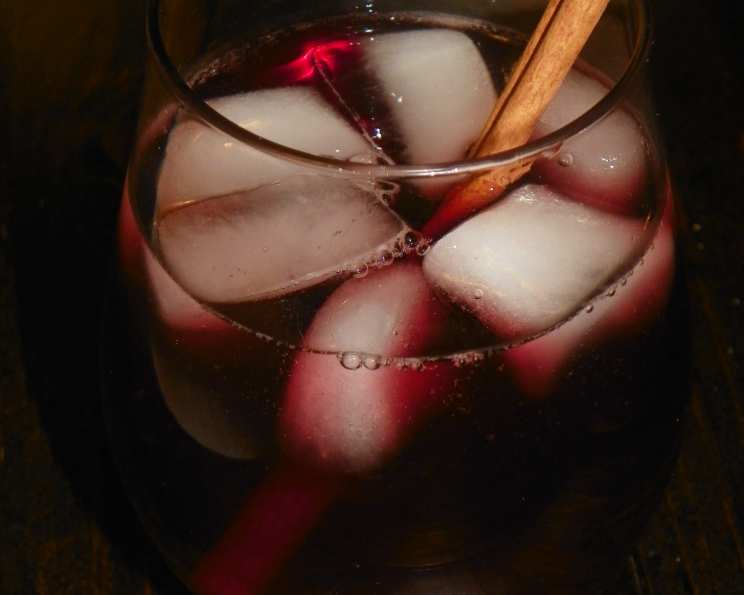
Karkanji: A Taste of Africa’s Sun-Kissed Hibiscus Elixir
The first time I encountered Karkanji, it wasn’t in a bustling market or a vibrant café, but on a sweltering afternoon during a trip to West Africa. The air hung thick and heavy, the kind of heat that makes you feel like you’re breathing soup. I was feeling utterly parched, and a local vendor, with a smile as bright as the sun, offered me a glass of something deep crimson, brimming with ice. That first sip was pure revelation – a burst of tart, floral, and slightly sweet refreshment that instantly quenched my thirst and soothed my spirit. It was a flavor so unique, so profoundly African, and I knew then and there I had to learn its secrets. This isn’t just a drink; it’s a story, a tradition, and a testament to the ingenious use of nature’s bounty, particularly the humble yet extraordinary hibiscus flower.
Recipe Overview
- Prep Time: 10 minutes
- Cook Time: 15 minutes
- Total Time: 25 minutes (plus at least 1 hour cooling time)
- Servings: 8
- Yield: 1/2 gallon tea
- Dietary Type: Vegan, Dairy-Free, Gluten-Free
Ingredients
The beauty of Karkanji lies in its simplicity and the accessibility of its core ingredients, even far from its African origins. The star, of course, is the hibiscus flower, known for its vibrant color and tart flavor.
- Water: 1/2 to 1 gallon
- Whole Hibiscus Fresh Edible Flowers (Dried or Fresh): 1 1/2 cups (These are readily available at most health food stores and ethnic markets. If using dried, you might need slightly less as they are more concentrated.)
- Sugar: 1 1/2 to 2 1/2 cups (Adjust to your personal preference for sweetness. You can also substitute with honey, though it will alter the vegan status.)
- Fresh Ginger Root: 1/2 cup, peeled and roughly chopped (Alternatively, for a different aromatic profile, you can use 1/4 cup cinnamon sticks mixed with 1/4 cup whole cloves.)
- Sugar or Honey, to taste: (For adjusting sweetness at the end if needed.)
Equipment Needed
While this recipe is straightforward, a few key pieces of equipment will make the process smooth:
- Large saucepan (at least 2-gallon capacity)
- Strainer or fine-mesh sieve
- Measuring cups and spoons
- Long spoon or whisk for stirring
- Serving pitcher or jars for storing
Instructions
Crafting Karkanji is an act of patience, allowing the flavors to meld and develop. The process is simple, yet yields a drink that is both invigorating and deeply satisfying.
- Begin by pouring 1/2 to 1 gallon of water into your large saucepan. The amount of water will determine the concentration of your Karkanji; start with a gallon for a lighter brew, or a half-gallon for a more potent, concentrated flavor that you can dilute later.
- Next, add the whole hibiscus flowers to the water. Ensure the surface of the water is largely covered with these vibrant petals. If you are using the alternative spice blend, add the ginger root now, or if opting for the cinnamon and cloves, add those at this stage as well.
- Place the saucepan over high heat and bring the mixture to a rolling boil. You’ll see the water begin to transform into a rich, ruby-red hue as the hibiscus flowers release their color and essence.
- Once a rolling boil is achieved, reduce the heat to a low simmer. Cover the saucepan and allow the mixture to simmer gently for 10 minutes. This simmering period is crucial for extracting the full flavor and beneficial properties from the hibiscus and spices.
- After the initial simmering, stir in the sugar. Begin with the lower end of the range (1 1/2 cups) and add more incrementally until you reach your desired level of sweetness. Mix well to ensure all the sugar is dissolved.
- Allow the sweetened mixture to simmer for an additional 5 minutes, uncovered, to let the flavors marry and the syrup to slightly thicken.
- Remove the saucepan from the heat. This is where the patience truly begins. Let the Karkanji cool for at least one hour. During this time, the flavors will continue to deepen and meld beautifully. For the best flavor development, some prefer to let it cool completely, even refrigerate it overnight.
- Once cooled, strain the Karkanji through a fine-mesh sieve or a cheesecloth-lined colander to remove the hibiscus flowers and any remaining spices. Discard the solids.
- To serve, add ice to your glasses and pour the chilled Karkanji over it. You can also serve it hot, soon after the sugar has been added and stirred in, though the chilled version is most traditional and refreshing in warm climates.
Expert Tips & Tricks
As a seasoned chef, I’ve learned that even simple recipes can benefit from a few insider touches.
- Bloom Dried Hibiscus: If you’re using dried hibiscus flowers, a quick rinse under cold water before adding them to the pot can help remove any dust.
- Spice Balance: The ginger provides a warm, peppery kick, while the cinnamon and cloves offer a more earthy, fragrant spice. Experiment with small amounts of other warming spices like cardamom or star anise, but be mindful not to overpower the delicate hibiscus.
- Sweetness Control: It’s always better to err on the side of less sweet initially. You can always add more sugar or honey after tasting. The tartness of the hibiscus can be quite pronounced, so adjust accordingly.
- Concentration is Key: If you find your Karkanji too strong, simply dilute it with a bit more water or ice. If it’s too weak, you can gently simmer it uncovered for a few more minutes to reduce it slightly.
- Make Ahead Magic: Karkanji actually improves with age (in the refrigerator, of course!). The flavors meld and deepen beautifully overnight, making it an ideal beverage to prepare a day in advance for gatherings.
Serving & Storage Suggestions
Karkanji is a wonderfully versatile drink, perfect for any occasion, from a casual afternoon refreshment to a vibrant addition to a festive meal.
Serve Karkanji chilled over plenty of ice for maximum refreshment. A sprig of fresh mint or a thin slice of lime can add an extra touch of visual appeal and a complementary aroma. It’s a fantastic accompaniment to spicy West African dishes, grilled meats, or simply enjoyed on its own as a thirst-quencher.
Leftover Karkanji can be stored in an airtight container or pitcher in the refrigerator for up to 3-4 days. The flavor will remain excellent, and as mentioned, may even improve. It does not require reheating, as it is best enjoyed cold.
Nutritional Information
While precise nutritional values can vary based on the exact quantities of sugar and water used, here’s an estimated breakdown per serving (assuming 8 servings and using the higher end of the sugar range):
| Nutrient | Amount per Serving | % Daily Value |
|---|---|---|
| Calories | ~250 kcal | 13% |
| Total Fat | 0 g | 0% |
| Saturated Fat | 0 g | 0% |
| Cholesterol | 0 mg | 0% |
| Sodium | 5 mg | <1% |
| Total Carbohydrate | ~65 g | 24% |
| Dietary Fiber | 1 g | 4% |
| Total Sugars | ~64 g | 128% |
| Protein | 0.2 g | <1% |
Note: This estimation does not account for added sugar or honey used for individual sweetening. The % Daily Value is based on a 2,000-calorie diet.
Variations & Substitutions
The core of Karkanji is its adaptability, much like the spirit of its origin.
- Fruity Twist: For a subtly fruity note, add a handful of dried cranberries or dried sour cherries along with the hibiscus flowers during the simmering process.
- Herbal Infusion: A few sprigs of fresh mint or a touch of lemongrass can be added during the simmer for an extra layer of herbaceous freshness.
- Sweetener Swap: If you’re not vegan, honey is a beautiful alternative to sugar, offering a richer, more complex sweetness. Experiment with different types of honey for varied flavor profiles.
- Citrus Kick: While not traditional, a squeeze of fresh lemon or lime juice just before serving can brighten the flavors, especially if your hibiscus is less tart.
FAQs
Q: Can I use fresh hibiscus flowers instead of dried?
A: Absolutely! Fresh hibiscus flowers are wonderful if you have access to them. Use the same quantity as you would dried, and they will impart a vibrant color and delicious flavor.
Q: My Karkanji is too tart. How can I fix it?
A: The best way to adjust tartness is by adding more sugar or honey. Stir it in gradually until the flavor is balanced to your liking.
Q: How long can I store Karkanji?
A: Chilled Karkanji will keep well in an airtight container in the refrigerator for 3-4 days.
Q: Is Karkanji good for you?
A: Hibiscus is known for its potential health benefits, including being rich in antioxidants and vitamin C. It’s often used to support heart health and is believed to help with colds and flu symptoms.
Q: Can I make Karkanji without spices?
A: Yes, you can certainly omit the ginger, cinnamon, and cloves if you prefer a pure hibiscus flavor. The spiced version, however, adds a wonderful depth and warmth.
Final Thoughts
Karkanji is more than just a beverage; it’s an invitation to experience a slice of African culture. It’s a drink that speaks of sunshine, of vibrant communities, and of the simple, profound pleasure of a perfectly balanced, refreshing sip. I encourage you to gather these simple ingredients, embark on this culinary journey, and bring a taste of Africa’s heart into your own home. Share it with loved ones, savor the vibrant color, and let the tangy-sweet notes transport you. I’d love to hear about your creations and any personal twists you add to this magnificent elixir.