
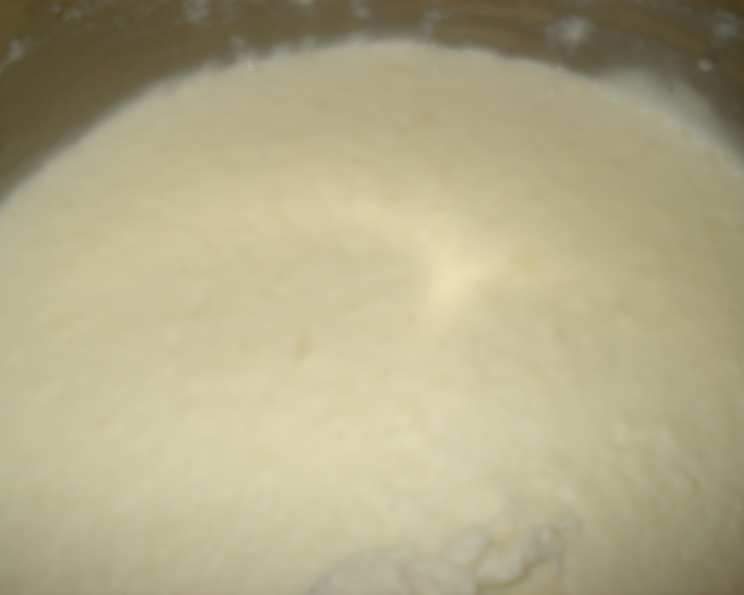
Kashta: A Creamy Dream of Middle Eastern Desserts
There’s a certain magic in the air when the scent of orange blossom water and rose water begins to waft through a kitchen. For me, it’s an immediate transport back to my grandmother’s bustling home, where the creation of traditional Arabic sweets was a weekly ritual. Kashta, that lusciously thick, subtly sweet cream, was the heart of so many of those cherished desserts. I remember peeking into the pot, mesmerized by how simple ingredients transformed into this silken filling, destined to be nestled within delicate phyllo dough or spooned over fruit. It’s a taste of home, a whisper of tradition, and a pure delight that I’m thrilled to share with you today.
Recipe Overview
- Prep Time: 20 minutes
- Cook Time: 15 minutes
- Total Time: 35 minutes
- Servings: 4-6 (as a filling)
- Yield: Approximately 1 liter of filling
- Dietary Type: Vegetarian, Dairy
Ingredients
The beauty of kashta lies in its simplicity, with just a few high-quality ingredients coming together to create something truly special.
- 1 liter half and half (this is a key ingredient for richness, providing a balance of milk and cream. You can also use a combination of whole milk and heavy cream, aiming for a similar fat content.)
- 5 slices white bread, with the crust cut off. (Using day-old bread is perfectly fine and can even yield better results as it’s slightly drier.)
- 5 tablespoons cornstarch
- 1 cup milk (whole milk is recommended for best flavor and texture)
- 1 tablespoon orange blossom water (ensure it’s culinary grade)
- 1 tablespoon rose water (ensure it’s culinary grade)
Equipment Needed
While kashta is a simple preparation, having the right tools will make the process smoother.
- Large, heavy-bottomed pot
- Blender or food processor
- Whisk
- Measuring cups and spoons
- Small bowl
Instructions
Crafting this delightful cream is a straightforward process that rewards patience and constant attention.
- Begin by pouring the 1 liter of half and half into a large, heavy-bottomed pot. A heavy base is crucial to prevent scorching as the mixture heats.
- Next, take the 5 slices of white bread, with the crusts meticulously cut off. Place these into a blender or food processor and chop them into fine, tiny crumbs. You want them as powdery as possible to ensure they integrate seamlessly into the cream.
- Sprinkle the bread crumbs evenly over the surface of the half and half in the pot.
- Place the pot over medium heat and bring the mixture to a slow boil, stirring constantly with a whisk. This constant stirring is vital to prevent the bread crumbs from clumping and sticking to the bottom of the pot. Continue stirring as it thickens slightly.
- In a separate small bowl, mix the 5 tablespoons of cornstarch with the 1 cup of milk. Whisk them together until the cornstarch is completely dissolved and there are no lumps. This slurry will act as our thickening agent.
- Once the half and half and bread mixture is at a slow boil and has begun to thicken slightly, gradually add the cornstarch and milk mixture while stirring constantly. The mixture will start to thicken more rapidly.
- Continue to stir the cream vigorously over the medium heat until it has thickened to your desired consistency. It should be smooth, rich, and coat the back of a spoon. This usually takes about 5-7 minutes of active stirring once the cornstarch mixture has been added.
- Once the cream has reached the perfect thickness, remove the pot from the heat.
- Immediately stir in the 1 tablespoon of orange blossom water and the 1 tablespoon of rose water. Stir well to ensure the fragrant waters are evenly distributed throughout the kashta.
- Let the kashta cool uncovered. As it cools, it will continue to thicken. A skin may form on the surface; this is normal. You can gently stir it occasionally as it cools, or if you prefer a perfectly smooth top without a skin, you can press a piece of parchment paper directly onto the surface of the cooling cream.
This luscious kashta filling is now ready to be used in a variety of Arabic desserts, from kunafa to qatayef.
Expert Tips & Tricks
To elevate your kashta from simply good to truly exceptional, consider these professional insights:
- The Bread Crumbs: Don’t be tempted to skip the bread. It’s the secret to kashta’s unique texture and richness. The finer the crumbs, the smoother the final filling. If you don’t have a blender, a microplane can also be used to finely grate the bread.
- Constant Stirring is Key: This cannot be stressed enough. Whether you’re using a whisk or a heat-resistant spatula, keep the mixture moving, especially when the cornstarch is added, to prevent lumps and scorching.
- The Aroma: The orange blossom and rose waters are potent. Add them after removing the kashta from the heat to preserve their delicate fragrance, as prolonged heating can diminish their essential oils. Taste and adjust if you prefer a stronger or subtler floral note.
- Cooling Process: Allowing the kashta to cool uncovered will help it thicken further and prevent a watery consistency. If you’re using it for a dessert that requires a very firm filling, you can refrigerate it once it has cooled to room temperature.
Serving & Storage Suggestions
Kashta is incredibly versatile and serves as a delightful base for numerous sweet creations.
When serving, allow the kashta to cool completely. It can be used as a filling for pastries like qatayef (small pancakes often stuffed with nuts or cheese and then fried or baked) or kunafa (a popular Middle Eastern dessert made with shredded phyllo dough or semolina, layered with cheese or nuts, and soaked in sweet syrup). It’s also wonderful as a topping for fresh fruit salads, rice pudding, or even simply enjoyed on its own with a drizzle of honey.
For storage, kashta is best kept refrigerated. Once it has cooled to room temperature, transfer it to an airtight container. It will keep well in the refrigerator for 3-4 days. If a skin forms, you can gently whisk it in before serving, or simply scoop it out. Freezing kashta is generally not recommended, as its delicate creamy texture can be compromised upon thawing.
Nutritional Information
(Note: This is an estimated nutritional breakdown and can vary based on specific ingredient brands and exact quantities used.)
| Nutrient | Amount per Serving (approx. 1/4 cup of filling) | % Daily Value |
|---|---|---|
| Calories | 150 kcal | 8% |
| Total Fat | 12g | 15% |
| Saturated Fat | 7g | 35% |
| Cholesterol | 35mg | 12% |
| Sodium | 40mg | 2% |
| Total Carbohydrate | 8g | 3% |
| Dietary Fiber | 0.5g | 2% |
| Sugars | 5g | 10% |
| Protein | 3g | 6% |
Variations & Substitutions
While the classic recipe is beloved, there are always ways to adapt kashta to your preferences:
- Lighter Version: For a slightly lighter filling, you can experiment with using whole milk and a smaller amount of heavy cream to achieve the 1-liter liquid base, but be aware that this might affect the richness.
- Nutty Addition: For a heartier filling, consider finely chopping a small amount of pistachios or walnuts and stirring them into the kashta after it has slightly cooled.
- Sweetness Adjustment: The sweetness of kashta is generally subtle, intended to complement syrupy desserts. If you plan to serve it as a standalone dessert, you may wish to increase the sugar content in the dessert it’s part of, or add a touch more sugar to the kashta itself during the thickening process, though this is not traditional.
FAQs
Q: Why is my kashta lumpy?
A: Lumps are usually caused by insufficient stirring, especially when adding the cornstarch mixture, or by the bread crumbs not being finely powdered enough. Ensure you whisk constantly and use very fine bread crumbs.
Q: Can I make kashta without bread?
A: While the bread contributes to the unique texture, you can omit it. However, you’ll need to rely solely on cornstarch for thickening, and the texture will be more akin to a pudding or custard.
Q: How thick should my kashta be?
A: It should be thick enough to coat the back of a spoon and hold its shape somewhat, but still pourable when warm. It will thicken considerably as it cools.
Q: Can I use a different type of bread?
A: It’s best to stick with white bread as it has a neutral flavor and minimal gluten, which helps achieve a smooth texture. Whole wheat or multigrain breads can impart unwanted flavors and textures.
Q: My kashta tastes bland, what did I miss?
A: The subtle flavors come from the quality of the dairy and the floral waters. Ensure you’re using good quality orange blossom and rose water. For a slightly sweeter profile in specific desserts, the accompanying syrup will add the necessary sweetness.
Final Thoughts
The creation of kashta is more than just following a recipe; it’s an invitation to connect with a culinary heritage that celebrates simple ingredients transformed into pure indulgence. Whether you’re a seasoned baker or just beginning your journey into the delights of Middle Eastern cuisine, this recipe offers a rewarding and delicious experience. I encourage you to try it, savor its delicate perfume, and let it transport you to a place of sweet comfort and tradition. Pair it with a fragrant cup of mint tea or a strong Arabic coffee, and share the joy of this exquisite cream with your loved ones.