
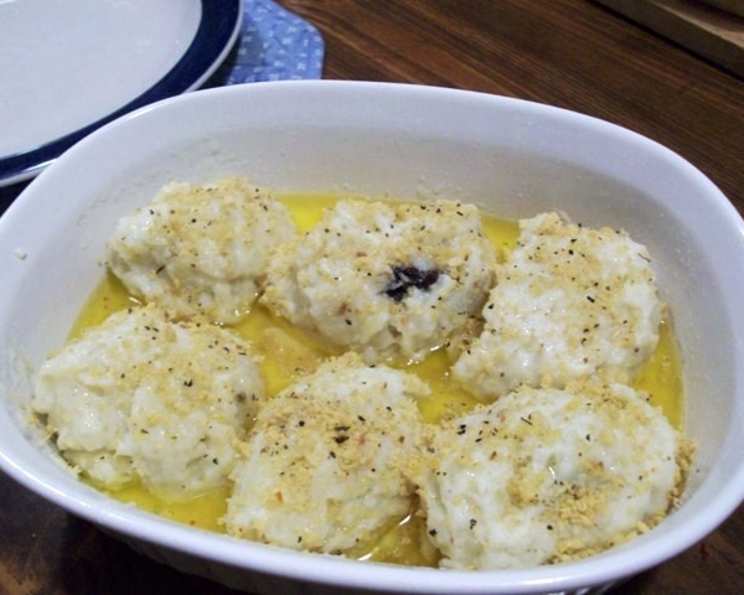
Kathy’s Potato Dumplings (Kartoffelklosse): A Comforting Taste of Tradition
There’s something profoundly comforting about a dish that transports you back to cherished memories. For me, Kathy’s Potato Dumplings, or Kartoffelklosse, evoke the warmth of a bustling family kitchen, the scent of roasting meat, and the satisfying heft of a perfectly executed meal. I recall my own grandmother, a woman of few words but immense culinary talent, preparing these with a quiet grace that belied the simple ingredients. Each plump dumpling, cradled in a pool of rich gravy, felt like a small, edible hug, a testament to the power of tradition and the joy of sharing good food.
Recipe Overview
- Prep Time: 40-50 minutes
- Cook Time: 35-40 minutes (for potatoes) + 10-14 minutes (for dumplings)
- Total Time: Approximately 1 hour 30 minutes
- Servings: 6
- Yield: 12 dumplings
- Dietary Type: Vegetarian (can be made vegan by omitting butter or using a vegan substitute)
Ingredients
- 2 pounds potatoes (starchy varieties like Russet or Yukon Gold are ideal)
- Kosher salt, to taste
- ¼ teaspoon freshly grated nutmeg
- ½ cup all-purpose flour (more if needed)
- 1 large egg, beaten
- 12 prunes (or 12 large croutons)
- ½ cup butter, melted (1 stick)
- ¾ cup seasoned bread crumbs (or seasoned panko) (optional)
Equipment Needed
- Large saucepan
- Colander
- Sharp knife
- Large mixing bowl
- Potato masher or ricer
- Measuring cups and spoons
- Slotted spoon or strainer
- Wide serving bowl
Instructions
The journey to perfect potato dumplings begins with selecting the right potatoes. Starchy varieties are key, as they will yield a fluffy interior that readily absorbs the other ingredients, creating that signature soft yet firm texture. Varieties like Russet or Yukon Gold are excellent choices.
-
Prepare the Potatoes: Begin by thoroughly scrubbing and rinsing the potatoes under cool running water. Place them in a large saucepan and cover them with cold water. Bring the water to a boil over medium-high heat. Once boiling, add a generous pinch of kosher salt to the water. Simmer the unpeeled potatoes for 35-40 minutes, or until they are just tender when pierced with a fork. It’s crucial not to overcook them at this stage, as they will be cooked again later.
-
Cool and Peel: Drain the potatoes thoroughly in a colander. Allow them to cool slightly so that they are comfortable to handle, but still warm enough that the skins can be easily removed. The skins should slip away from the flesh of the potatoes with your bare hands. This is a satisfying part of the process, a tangible connection to the ingredients.
-
Chill the Potatoes: Once all the potatoes are peeled, cut them into even-sized pieces. Transfer these pieces to a bowl and refrigerate them until cold. This chilling step is vital for creating a workable dough that isn’t too sticky. They can be refrigerated for up to overnight.
-
Mash and Season: In a large bowl, mash the cold potatoes until they are as smooth as possible. A potato masher works well, but for an exceptionally smooth texture, a potato ricer is ideal. Mix in the kosher salt to taste and the freshly grated nutmeg. The nutmeg adds a subtle warmth that complements the earthiness of the potatoes beautifully.
-
Form the Dough: Add ½ cup of flour to the mashed potatoes and mix to combine. Using your hands, knead the mixture directly in the bowl until a smooth, soft dough forms. If the dough remains excessively sticky, add more flour by the tablespoonful, incorporating it gradually until the dough is pliable but not overly tough. Finally, add the beaten egg to the mixture and gently mix it in until fully incorporated.
-
Shape and Fill the Dumplings: Using about ¼ cup of dough for each dumpling, form the mixture into balls. This is where the magic of the filling happens. For each ball of dough, flatten it slightly in your palm and then insert a prune (or a large crouton) into the center. Carefully seal the filling closed by gently pressing and rolling the dough around it, ensuring the filling is completely enclosed. The dough should completely cover the prune or crouton.
-
Cook the Dumplings: Fill a large saucepan with water and add a generous amount of kosher salt. Bring the water to a simmer – it should be gently bubbling, not boiling. Carefully place the dumplings into the simmering water, working in batches of 4-5. It is crucial not to overcrowd the saucepan, as the dumplings need space to expand and move freely without sticking together or falling apart during cooking.
-
Simmer to Perfection: Cook the dumplings until they rise to the surface, which usually takes about 10-14 minutes. They will continue to cook and firm up as they float.
-
Butter and Serve: While the dumplings are cooking, melt the ½ cup of butter (1 stick) in a wide serving bowl. As each batch of dumplings is ready, remove them from the simmering water using a slotted spoon or strainer. Gently shake them to drain any excess water, and then toss them gently in the bowl of melted butter. Cover the bowl with a lid to keep the dumplings warm while you cook the remaining batches. As each new batch is cooked, add them to the butter as well.
-
Optional Finish: If desired, sprinkle the entire batch of dumplings with seasoned bread crumbs (or seasoned panko) just before serving. This adds a lovely textural contrast and a hint of savory flavor.
Expert Tips & Tricks
- Potato Choice is Paramount: For the lightest and fluffiest dumplings, choose a floury potato that has a high starch content. Avoid waxy potatoes, as they will result in a denser, gummier dumpling.
- Don’t Overwork the Dough: Once the flour and egg are added, mix and knead only until just combined. Overworking the dough can develop the gluten too much, leading to tough dumplings.
- Simmer, Don’t Boil: Cooking the dumplings in gently simmering water is key. A rolling boil can cause them to break apart before they are fully cooked through.
- The Importance of Chilling: Refrigerating the mashed potatoes until cold is non-negotiable. It solidifies the starch and makes the dough much easier to handle, preventing it from becoming overly sticky and difficult to shape.
- Batch Cooking is Best: Cooking the dumplings in small batches ensures they have adequate space in the simmering water, preventing them from sticking and ensuring even cooking.
- Warmth is Key: Keeping the cooked dumplings warm in melted butter as you finish the batches is essential for serving them at their best.
Serving & Storage Suggestions
Kathy’s Potato Dumplings are a classic accompaniment to hearty dishes. They are traditionally served alongside a roast with lashings of gravy or with Sauerbraten and Rotkohl (red cabbage). When accompanying roast goose, turkey, or other fowl at Christmas, prunes make a delightful and traditional filling. The croutons offer a delightful textural surprise and soak up any extra moisture inside the dumplings.
Leftovers can be enjoyed the following day. Sauté the leftover potato dumplings in butter until golden brown and heated through. This brings a wonderful crispness to the exterior while keeping the inside tender. Store any unused dumplings in an airtight container in the refrigerator for up to 2 days. They are best reheated gently.
Nutritional Information
| Nutrient | Amount per Serving | % Daily Value |
|---|---|---|
| Calories | 348.1 kcal | |
| Calories from Fat | ||
| Total Fat | 16.5 g | 25% |
| Saturated Fat | 10.1 g | 50% |
| Cholesterol | 71.7 mg | 23% |
| Sodium | 156.6 mg | 6% |
| Total Carbohydrate | 46.6 g | 15% |
| Dietary Fiber | 5 g | 19% |
| Sugars | 8.5 g | 34% |
| Protein | 5.8 g | 11% |
Note: Nutritional information is an estimate and may vary based on specific ingredients and preparation methods.
Variations & Substitutions
For a vegan version, omit the butter or use a high-quality vegan butter substitute for tossing. The dumplings themselves can also be made vegan if you have success without the egg; however, the egg does help bind the dough.
If you’re looking for a gluten-free option, experimenting with a gluten-free all-purpose flour blend might be possible, though the texture may differ slightly.
For a delightful variation, consider using other dried fruits like dried apricots or even small cubes of cheese as the filling.
FAQs
Q: What type of potatoes are best for making Kartoffelklosse?
A: Starchy potatoes like Russet or Yukon Gold are ideal, as their high starch content contributes to a light and fluffy texture.
Q: Why are my potato dumplings falling apart in the water?
A: This can happen if the dumplings are overcooked, the water is boiling too vigorously, or if the dough wasn’t properly formed to enclose the filling. Ensure you are simmering gently and that the filling is well-sealed.
Q: Can I make the dough for the dumplings ahead of time?
A: Yes, the mashed and seasoned potato mixture (before adding the egg) can be made ahead and refrigerated. Add the egg and flour just before forming the dumplings.
Q: How do I know when the dumplings are cooked through?
A: The dumplings are cooked when they rise to the surface of the simmering water and hold their shape. A slight puffiness is also a good indicator.
Q: What is the traditional way to serve these dumplings?
A: Traditionally, Kartoffelklosse are served as a side dish with roasted meats, rich gravies, or hearty German entrees like Sauerbraten.
Final Thoughts
Kathy’s Potato Dumplings are more than just a recipe; they are an invitation to embrace comfort, tradition, and the simple joy of a well-made meal. Whether you choose the sweetness of a prune or the subtle crunch of a crouton as your filling, each bite is a reminder of the culinary heritage that nourishes us. Gather your ingredients, follow these steps with care, and prepare to experience a taste of authentic German comfort that will surely become a favorite in your own kitchen. Serve them with your favorite roast and a generous pour of gravy, and savor the delicious results.