
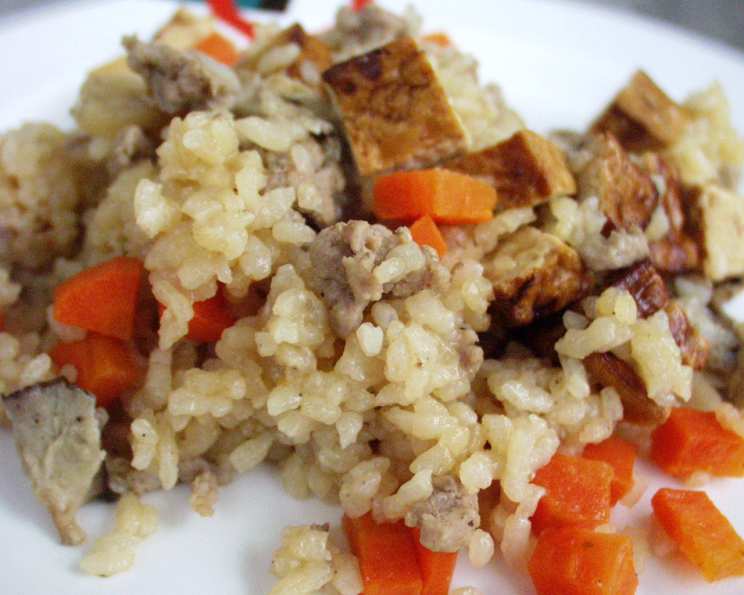
Kayaku Gohan: A Japanese Rice Delight Embracing Simplicity and Flavor
There’s a particular kind of comfort that washes over me when the gentle aroma of simmering rice and savory broth fills the kitchen. It always takes me back to my grandmother’s small apartment, where the clatter of her beloved donabe pot was a constant soundtrack to our meals. Kayaku Gohan, a dish that translates simply to “rice with vegetables,” was a frequent star. It wasn’t fancy, but it was always deeply satisfying – a testament to how humble ingredients, thoughtfully prepared, could create something truly special. I remember watching her meticulously dice the vegetables, her movements economical and precise, as if each tiny cube held its own promise of flavor. This dish, in its pure, unadulterated form, is a gentle reminder that the most profound culinary experiences often lie in simplicity and the respect for ingredients.
Recipe Overview
- Prep Time: 20 minutes
- Cook Time: 20 minutes
- Resting Time: 15-30 minutes
- Total Time: 55 minutes – 1 hour 10 minutes
- Servings: 4
- Yield: Approximately 4 cups
- Dietary Type: Adaptable (Vegetarian/Vegan possible with stock substitution)
Ingredients
This recipe celebrates the natural flavors of its components, enhanced by the subtle nuances of Japanese pantry staples.
- 1 ½ cups short-grain rice
- ½ cup ground chicken (or ½ cup diced chicken)
- 2 tablespoons corn oil (if using meat) or 2 tablespoons grapeseed oil (if using meat)
- Salt, to taste
- Pepper, to taste
- ¼ lb shiitake mushroom, stems removed and caps sliced
- 1 small carrot, finely diced
- ¼ cup water chestnuts (or ¼ cup celery, chopped)
- ¼ lb fried tofu (aburaage), or ¼ lb firm tofu, well pressed and cut into ½-inch chunks
- 3 tablespoons soy sauce
- 3 tablespoons mirin (or 3 tablespoons honey)
- 2 ½ cups chicken stock (or 2 ½ cups water)
Equipment Needed
- Medium skillet
- Medium saucepan or flameproof casserole with a lid
- Measuring cups and spoons
- Sharp knife
- Cutting board
Instructions
The beauty of Kayaku Gohan lies in its one-pot simplicity, a method that allows the rice to absorb all the delicious flavors as it cooks.
-
Begin by thoroughly washing the rice. Place the short-grain rice in a bowl and rinse it under cool running water, gently swirling with your hand. Drain the cloudy water and repeat this process until the water runs mostly clear. Once washed, soak the rice in fresh water to cover while you prepare the remaining ingredients. This step is crucial for achieving perfectly cooked, fluffy rice.
-
If you are using meat or chicken, prepare it now. Place your chosen oil (corn or grapeseed) in a medium skillet over medium heat. Add the ground chicken or diced chicken to the skillet. Cook, stirring occasionally and breaking up any lumps if using ground chicken, until the meat is fully browned. Season the cooked meat with a pinch of salt and pepper to taste. Once browned, turn off the heat and set the skillet aside.
-
Now, bring all the elements together. In a medium saucepan or flameproof casserole equipped with a lid, combine the following: the drained rice (discard the soaking water), the cooked meat or chicken (if using), the sliced shiitake mushroom, the finely diced carrot, the chopped water chestnuts or celery, and the fried tofu (or prepared firm tofu).
-
Pour in the soy sauce, mirin (or honey), and your chosen stock (chicken stock or water).
-
Place the saucepan or casserole over medium heat and bring the mixture to a boil.
-
Once boiling, stir the ingredients once to ensure everything is evenly distributed. Immediately cover the pot with its lid.
-
Reduce the heat to low. Allow the rice to cook gently for approximately 20 minutes. Resist the urge to lift the lid during this time, as this can disrupt the steaming process and affect the texture of the rice.
-
After 20 minutes of cooking, turn off the heat. Keep the pot covered and allow it to sit undisturbed for an additional 15 to 30 minutes. This resting period is essential for the rice to finish cooking in its own steam, becoming perfectly tender and absorbing any remaining moisture.
-
Once the resting period is complete, gently fluff the rice with a fork or rice paddle. Taste the Kayaku Gohan and adjust seasonings if necessary, adding a touch more soy sauce or salt if desired.
-
Serve the Kayaku Gohan warm.
Expert Tips & Tricks
Achieving that perfect texture and depth of flavor in Kayaku Gohan is all about a few key techniques. When washing your rice, don’t be afraid to be a little vigorous with the swirling – you want to remove as much surface starch as possible. This prevents the rice from becoming gummy. For an even deeper umami flavor, consider using a good quality kombu dashi as your cooking liquid instead of plain water. If you’re using firm tofu, pressing it well is paramount; this removes excess water, allowing it to absorb the savory flavors of the broth more effectively. When dicing your vegetables, aim for uniform sizes so they cook evenly alongside the rice. And remember, the resting time after cooking is non-negotiable; it’s where the magic truly happens, allowing the flavors to meld and the rice to achieve its ideal consistency.
Serving & Storage Suggestions
Kayaku Gohan is a wonderfully versatile dish, perfect as a standalone light meal or as a flavorful accompaniment to other Japanese dishes. Serve it hot, perhaps garnished with a sprinkle of finely chopped scallions or a few toasted sesame seeds for a touch of color and texture. It’s also delicious with a side of pickled ginger (gari) or a light miso soup.
Leftovers can be stored in an airtight container in the refrigerator for up to 3 days. When reheating, it’s best to do so gently. You can reheat it in the microwave, adding a tablespoon or two of water or stock and covering to prevent it from drying out, or gently warm it in a saucepan over low heat, stirring occasionally. Freezing is generally not recommended as it can affect the texture of the rice.
Nutritional Information
(Note: Nutritional values are estimates and can vary based on specific ingredients used.)
| Nutrient | Amount per Serving | % Daily Value |
|---|---|---|
| Calories | 455.4 kcal | – |
| Calories from Fat | 114 kcal | – |
| Total Fat | 12.7 g | 19% |
| Saturated Fat | 2.9 g | 14% |
| Cholesterol | 18.7 mg | 6% |
| Sodium | 858.1 mg | 35% |
| Total Carbohydrate | 67.4 g | 22% |
| Dietary Fiber | 4.6 g | 18% |
| Sugars | 2.7 g | 10% |
| Protein | 17.3 g | 34% |
Variations & Substitutions
While this recipe celebrates the classic combination, Kayaku Gohan is wonderfully adaptable. For a vegetarian or vegan version, simply omit the chicken and use a flavorful vegetable stock or mushroom dashi. Edamame, corn, or snap peas can add bursts of color and sweetness. If you can’t find aburaage (fried tofu), well-pressed firm tofu, cut into cubes, works beautifully. For a touch of elegance, consider adding some finely chopped rehydrated dried shiitake mushrooms for an intensified mushroom flavor.
FAQs
Q: Why do I need to wash and soak the rice?
A: Washing removes excess starch, preventing a gummy texture, while soaking helps the rice cook more evenly and become perfectly tender.
Q: Can I use a different type of rice?
A: Short-grain Japanese rice is ideal for its texture and ability to absorb flavors. Other rice types may yield different results.
Q: What is aburaage?
A: Aburaage is deep-fried tofu that has been pressed to remove excess oil. It has a slightly chewy texture and a mild, pleasant flavor.
Q: Can I make this dish ahead of time?
A: While best enjoyed fresh, leftovers can be stored and reheated. However, the texture may be slightly altered.
Q: How can I make this dish spicier?
A: You can add a pinch of togarashi (Japanese chili pepper flakes) or a few slices of fresh chili pepper during the cooking process.
Final Thoughts
Kayaku Gohan is more than just a recipe; it’s an invitation to slow down, appreciate simple ingredients, and create a dish that nourishes both body and soul. It’s a perfect example of how the Japanese culinary philosophy of “mottainai” – making the most of what you have – can result in something truly delicious. I encourage you to try this recipe, perhaps making it your own by adding your favorite seasonal vegetables. It pairs wonderfully with a light, clear soup like miso, or a refreshing green tea. May your kitchen be filled with the comforting aroma of this delightful rice dish, and may it bring you as much joy as it has brought me over the years.