
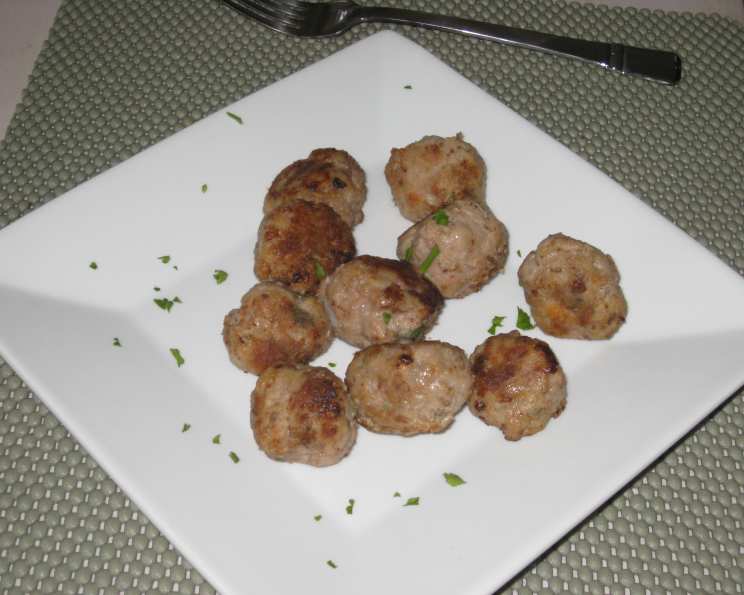
Keftedes: A Taste of Greek Sunshine
There’s a warmth that emanates from a plate of freshly made keftedes, a feeling that transcends mere sustenance and taps directly into the soul of Greek hospitality. I recall one particularly vibrant summer afternoon on the island of Crete, the air thick with the scent of wild thyme and the distant lullaby of the sea. My yiayia, her hands dusted with flour and wisdom, was in her kitchen, the heart of their small home, coaxing these very meatballs into existence. The aroma of the frying keftedes, mingled with the salty breeze drifting through the open windows, is a sensory memory I carry with me always, a fragrant reminder of family, tradition, and the simple joy of sharing delicious food.
Recipe Overview
- Prep Time: 20 minutes
- Cook Time: 20-25 minutes (for frying)
- Total Time: Approximately 40-45 minutes
- Servings: 6-8 (as an appetizer)
- Yield: Approximately 75 small meatballs
- Dietary Type: Meat
Ingredients
The magic of keftedes lies in its straightforward, honest ingredients, allowing the quality of the beef to shine through.
- 3 lbs ground beef (a blend with a good fat content, around 80/20, is ideal for flavor and moisture)
- 3 large eggs
- 3 slices stale bread, crusts removed and crumbled into fine crumbs (you can also use about 1 cup of dried breadcrumbs)
- 2 medium onions, very finely minced or grated (grating releases more juice and flavor)
- 1 fresh tomato, blanched, peeled, and crushed (or about 1/2 cup of finely grated fresh tomato)
- 1 tablespoon dried mint, crushed (rubbing between your fingers releases its potent aroma)
- 3 tablespoons Romano cheese, grated (Parmesan can be substituted, but Romano offers a sharper, saltier bite)
- 4 tablespoons water
- 1 lemon, juice of (freshly squeezed is essential)
- 1 dash ground cinnamon
- Salt, to taste
- Freshly ground black pepper, to taste
- All-purpose flour, for dusting
- Canola oil, for frying (or another neutral-flavored oil with a high smoke point)
Equipment Needed
While keftedes are humble, a few basic tools will make the process smoother.
- Large mixing bowl
- Small bowl (for tomato)
- Blender or grater (for tomato)
- Measuring spoons and cups
- Small plate or shallow dish (for flour)
- Large skillet or frying pan
- Slotted spoon or spider strainer
- Paper toweling
Instructions
The creation of keftedes is a hands-on affair, a delightful process that engages all the senses.
-
Begin by preparing the fresh tomato. If using a whole tomato, bring a small pot of water to a boil. Score the bottom of the tomato with a shallow “X.” Plunge the tomato into the boiling water for about 30 seconds, until the skin begins to peel away. Immediately transfer it to an ice bath to stop the cooking. Once cooled, the skin should slip off easily. Halve the tomato, remove the seeds, and then either finely mince it or grate it into a small bowl. If using a blender, pulse the tomato until it’s crushed but not completely pureed into a liquid.
-
In your large mixing bowl, combine the ground beef, eggs, crumbled toast (or breadcrumbs), finely minced or grated onions, the prepared crushed tomato, crushed dried mint, grated Romano cheese, water, fresh lemon juice, and the dash of cinnamon.
-
Season generously with salt and freshly ground black pepper. Be mindful of the salt, as the Romano cheese already contributes some salinity.
-
Now comes the mixing. Gently, but thoroughly, mix all the ingredients together with your hands. The key here is to mix until just combined. Overworking the meat mixture can lead to tough meatballs, so aim for a light but thorough incorporation of everything. Feel the texture; it should be cohesive but not dense.
-
Prepare your workstation for shaping. Place the all-purpose flour in a small plate or shallow dish. Pour enough canola oil into your large skillet to come up about 1/2 inch in depth. Heat the oil over medium-high heat until it shimmers. A good test is to drop a tiny piece of the meat mixture in; it should sizzle immediately.
-
To form the meatballs, take a small amount of the meat mixture (about a teaspoon to a tablespoon, depending on your desired size). Gently roll it between your palms to form small balls, roughly the diameter of a quarter. Aim for uniformity in size for even cooking.
-
Once shaped, lightly roll each meatball in the flour. This light coating helps create a beautiful, golden-brown crust when frying.
-
Carefully place the floured meatballs into the hot oil, working in batches to avoid overcrowding the pan. Overcrowding will lower the oil temperature, leading to greasy meatballs.
-
Fry the keftedes, turning them occasionally with a slotted spoon or spider strainer, until they are evenly browned on all sides. This typically takes about 5-7 minutes per batch.
-
As each batch is ready, remove the browned keftedes from the skillet and drain them on paper toweling. This step is crucial for removing excess oil and ensuring a pleasant texture.
-
Serve the keftedes hot as an appetizer, a delicious bite of Greek sunshine to share with loved ones.
Expert Tips & Tricks
- The Onion Secret: Grating the onions instead of mincing them releases their moisture and flavor more effectively into the meat mixture, adding depth without noticeable onion chunks.
- Don’t Overmix! This is a cardinal rule for any meatball recipe. Overworking the protein strands in the beef will make your keftedes tough and rubbery. Mix until just incorporated.
- Batch Cooking is Key: Frying in batches ensures that the oil stays at the right temperature for a perfect golden crust. If you cram too many meatballs into the pan, they will steam rather than fry.
- The Cinnamon Whisper: That tiny dash of cinnamon might seem unusual in a savory dish, but it adds a subtle warmth and complexity that truly elevates the flavor profile of the keftedes. It’s a classic Greek touch that you won’t regret.
- Testing for Doneness: If you’re unsure if your meatballs are cooked through, you can always take one out and cut it in half. The inside should be a uniform brown color, with no pink.
Serving & Storage Suggestions
Keftedes are best enjoyed fresh and hot, straight from the pan. They are a quintessential mezze, perfect for sharing as an appetizer. Serve them on a platter, perhaps with a sprinkle of fresh parsley or a wedge of lemon for squeezing. They pair wonderfully with a side of tzatziki, skordalia (garlic dip), or a simple Greek salad.
Make-Ahead and Storage: Keftedes can be made ahead of time.
- Refrigeration: Once cooled, store leftover keftedes in an airtight container in the refrigerator for 2-3 days.
- Freezing: Keftedes freeze exceptionally well. Allow them to cool completely, then place them in a single layer on a baking sheet and freeze until solid. Transfer the frozen meatballs to a freezer-safe bag or container. They will keep in the freezer for 2-3 months.
- Reheating: To reheat refrigerated keftedes, place them in a single layer on a baking sheet and warm them in a preheated oven at 350°F (175°C) for 15-20 minutes, or until heated through. For frozen keftedes, defrost them in the refrigerator overnight and then reheat as directed for refrigerated ones, or reheat directly from frozen in a 350°F (175°C) oven for 20-25 minutes, or until heated through.
Nutritional Information (Estimated per meatball, approximate)
| Nutrient | Amount per Serving | % Daily Value |
|---|---|---|
| Calories | 60-70 kcal | |
| Total Fat | 3.5 g | 4% |
| Saturated Fat | 1.2 g | 6% |
| Cholesterol | 20 mg | 7% |
| Sodium | 25 mg | 1% |
| Total Carbohydrate | 2 g | 1% |
| Dietary Fiber | 0.1 g | 0% |
| Sugars | 0.3 g | 1% |
| Protein | 4 g | 8% |
Note: Nutritional values are estimates and can vary based on specific ingredients and portion sizes.
Variations & Substitutions
While the classic keftedes are hard to beat, there’s always room for culinary creativity:
- Ground Lamb: For a richer, more gamey flavor, you can substitute half of the ground beef with ground lamb.
- Herbs: Experiment with other fresh herbs like chopped parsley or dill alongside or in place of the mint.
- Spices: A pinch of allspice or a hint of nutmeg can add another layer of warmth.
- Gluten-Free: To make these gluten-free, ensure you use gluten-free breadcrumbs or omit the bread altogether. The meatballs will still bind well with the eggs.
- Baked Keftedes: For a lighter option, instead of frying, you can bake the meatballs. Arrange them on a parchment-lined baking sheet and bake in a preheated 375°F (190°C) oven for 20-25 minutes, or until cooked through and golden.
FAQs
Q: Can I use fresh mint instead of dried mint?
A: Yes, you can use fresh mint. Substitute about 1/4 cup of finely chopped fresh mint for the 1 tablespoon of dried mint.
Q: My meatballs are falling apart, what did I do wrong?
A: This usually happens if the meat mixture is too wet or if you overmixed it. Ensure your tomato is not overly watery, and mix the ingredients gently until just combined. The breadcrumbs and eggs are key binders.
Q: How do I get my keftedes perfectly round?
A: Rolling the mixture between lightly oiled palms can help create smooth, round meatballs. Don’t press too hard, just a gentle rolling motion is sufficient.
Q: Can I add vegetables to my keftedes?
A: While not traditional, you could finely grate zucchini or carrots into the mixture for added vegetables. Be sure to squeeze out excess moisture from zucchini before adding.
Q: How long can I keep the keftedes batter in the fridge if I don’t fry them immediately?
A: It’s best to fry the keftedes shortly after mixing. The meat mixture can be refrigerated for up to 24 hours, but the texture might change slightly.
Final Thoughts
Keftedes are more than just a recipe; they are a culinary embrace, a simple yet profound expression of Greek warmth and generosity. The aroma that fills your kitchen as these meatballs sizzle is an invitation to gather, to connect, and to savor the moment. Whether served as a light bite at a gathering or as part of a larger Greek feast, these flavorful meatballs are sure to be a cherished addition to your repertoire. So, roll up your sleeves, embrace the hands-on process, and bring a little piece of Greek sunshine into your home. I encourage you to share your creations and the joy they bring with friends and family. Enjoy!