
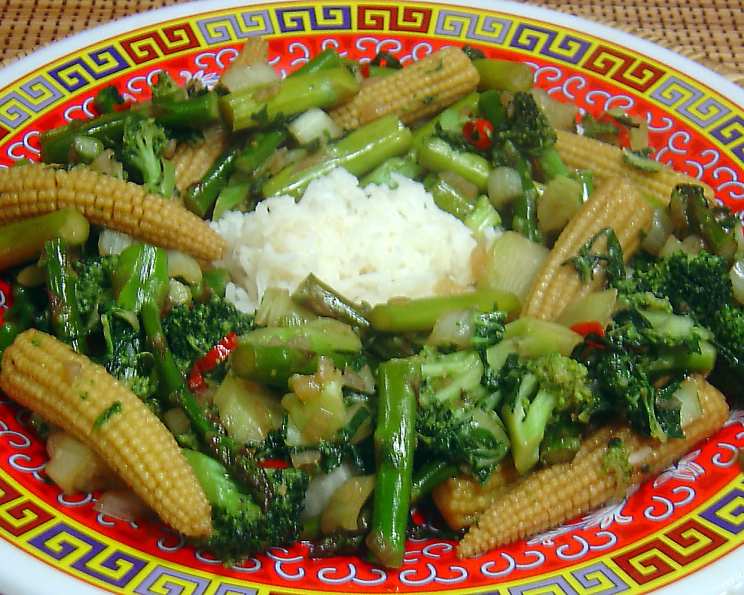
Ken Hom’s Stir Fried Mixed Vegetables: A Symphony of Freshness
There’s a certain magic that happens when humble vegetables are treated with respect and a burst of intense heat. I remember the first time I truly understood this, standing in a bustling kitchen in Hong Kong, the air thick with the intoxicating aroma of garlic and ginger. The chef, a master of his craft, moved with a dancer’s grace, his wok a fiery stage for an array of vibrant produce. It was here I first encountered Ken Hom’s approach to stir-fried vegetables – a method that prioritizes freshness, quick cooking, and the harmonious interplay of textures and flavors. This particular recipe, a celebration of simple ingredients elevated by technique, has since become a staple in my repertoire, a reliable friend that always delivers a wholesome, delicious meal.
Recipe Overview
- Prep Time: 15 minutes
- Cook Time: 8 minutes
- Total Time: 23 minutes
- Servings: 4
- Yield: Serves 4 as a side dish
- Dietary Type: Vegan (ensure oyster sauce is vegan if strict)
Ingredients
This recipe champions simplicity, allowing the natural flavors of the vegetables to shine. The key is to have everything prepped and ready to go before you even think about turning on the heat, as stir-frying is a fast and furious affair.
- 8 ounces broccoli
- 8 ounces asparagus
- 8 ounces pak choi (also known as bok choy)
- 8 ounces baby corn
- 1 1/2 tablespoons peanut oil or 1 1/2 tablespoons vegetable oil
- 2 tablespoons finely chopped shallots
- 2 small fresh red chilies, seeded and sliced
- 1 1/2 tablespoons fish sauce
- 2 tablespoons water
- 2 tablespoons oyster sauce
- 2 teaspoons sugar
- 1 teaspoon salt
Ingredient Notes:
- Broccoli: Feel free to use either the standard green broccoli or the vibrant purple sprouting variety.
- Asparagus: Choose spears that are firm and bright green. Thicker spears are perfectly fine here, as they will be cut into manageable pieces.
- Pak Choi: Look for crisp, unblemished leaves and firm stalks. If you can’t find baby pak choi, larger heads will work, but you’ll want to separate the leaves from the thicker white stems and cut them into similar-sized pieces for even cooking.
- Baby Corn: These add a delightful crunch and sweetness. They are readily available canned or fresh. If using canned, ensure they are well-drained.
- Oils: Peanut oil offers a higher smoke point and a subtle nutty flavor that complements Asian cooking beautifully. If you have an allergy or prefer a more neutral taste, a good quality vegetable oil will work just as well.
- Chilies: The amount of chili can be adjusted to your heat preference. For a milder dish, use fewer chilies or remove all the seeds and membranes. For extra heat, leave some seeds in or add a sliver of fresh ginger.
Equipment Needed
The beauty of stir-frying is its minimal equipment needs.
- Wok or Large Frying Pan: A wok is ideal for its sloped sides and ability to distribute heat evenly, but a large, heavy-bottomed frying pan will also do the job admirably.
- Cutting Board
- Sharp Knife
- Large Pot (for blanching)
- Colander
- Measuring Spoons and Cups
Instructions
The secret to a successful stir-fry lies in the mise en place – having all your ingredients prepped and within easy reach before you start cooking. This dish comes together incredibly quickly, so there’s no time to chop an onion once the wok is smoking!
-
Prepare the Vegetables:
- Begin by preparing the broccoli. Separate the florets from the thick stems. Peel the tough outer layer of the stems with a vegetable peeler, then thinly slice the stems on the diagonal into bite-sized pieces.
- Trim the tough woody ends from the asparagus. Cut the spears into 4cm (approximately 1 1/2 inch) pieces.
- Wash the pak choi. Cut the leaves into 4cm (approximately 1 1/2 inch) strips, separating them from the thicker, white bases if using larger heads. For smaller, baby pak choi, you can simply halve or quarter them lengthwise.
- For the baby corn, halve them lengthways if they are on the larger side, or leave them whole if they are small.
-
Blanch the Broccoli:
- Fill a large pot with water, add a generous pinch of salt, and bring it to a rolling boil over high heat.
- Add the prepared broccoli florets to the boiling water and blanch for exactly 3 minutes. This par-cooking helps to tenderize the broccoli and locks in its vibrant green color.
- Immediately drain the broccoli in a colander. Then, plunge the broccoli into a bowl of cold water (or run under cold running water) to halt the cooking process. This is a crucial step to prevent the broccoli from becoming mushy.
-
Begin the Stir-Fry:
- Place your wok or large frying pan over high heat and allow it to become very hot. You want it to be almost smoking before adding the oil.
- Add the peanut oil (or vegetable oil) to the hot wok. As soon as the oil is hot and just starting to shimmer or slightly smoke, add the finely chopped shallots and the sliced fresh red chilies.
- Stir-fry for 1 minute, until the shallots are fragrant and the chilies have released their aroma. Be careful not to burn the shallots.
-
Cook the First Batch of Vegetables:
- Add the prepared baby corn and asparagus to the wok.
- Stir-fry for 30 seconds, tossing them to ensure they are coated in the fragrant oil.
- Pour in the fish sauce and water. Bring this mixture to a rapid boil, then cover the wok and cook over high heat for 2 minutes. This steaming action will begin to tenderize the asparagus and baby corn.
-
Add Remaining Vegetables and Sauce:
- Uncover the wok. Add the blanched broccoli and the prepared pak choi.
- Pour in the oyster sauce, sugar, and salt.
- Continue cooking over high heat for another 3 minutes, or until all the vegetables are tender-crisp. You should still have a slight bite to them. Keep everything moving in the wok to ensure even cooking.
-
Serve Immediately:
- Remove the wok from the heat. Serve the stir-fried mixed vegetables immediately. Stir-fries are best enjoyed fresh off the heat, when their textures and flavors are at their peak.
Expert Tips & Tricks
- The Wok Hei Effect: Achieving that coveted “wok hei” – the breath of the wok – is all about high heat and quick movement. Don’t overcrowd the wok, and keep the ingredients moving. If your stove isn’t powerful enough, you might need to cook in smaller batches.
- Uniform Cuts: For perfectly even cooking, ensure all your vegetables are cut into similar-sized pieces. This applies to florets, stems, and strips.
- Blanching is Key: Don’t skip the blanching step for the broccoli. It’s the secret to its vibrant color and tender-crisp texture. Plunging it into ice water immediately after blanching is crucial to stop the cooking.
- Sauce Harmony: The combination of fish sauce, oyster sauce, sugar, and salt creates a balanced umami-rich flavor profile. Taste and adjust seasoning at the very end if needed, though the recipe is usually spot on.
- Spice Control: If you are sensitive to heat, remove the seeds and white pith from the chilies before slicing. You can also use half a chili. Conversely, if you love heat, leave some seeds in or add a pinch of red pepper flakes.
Serving & Storage Suggestions
This stir-fried mixed vegetable dish is incredibly versatile. It shines as a side dish, complementing a wide array of main courses.
- Serving: Serve hot, piled high on a platter or directly onto individual plates. It pairs wonderfully with steamed rice (jasmine or basmati are excellent choices), noodles, or as an accompaniment to grilled or baked meats and fish. A sprinkle of toasted sesame seeds or chopped spring onions can add a final touch of elegance and flavor.
- Storage: Leftovers can be stored in an airtight container in the refrigerator for 2 to 3 days. The vegetables will lose some of their crispness upon refrigeration, which is natural for cooked vegetables.
- Reheating: To reheat, gently warm the vegetables in a wok or frying pan over medium heat with a splash of water or a little oil. Alternatively, microwave them for a minute or two until heated through. Avoid overcooking during reheating, as this will make the vegetables mushy.
Nutritional Information
Here is an approximate nutritional breakdown for this dish, serving 4:
| Nutrient | Amount per Serving | % Daily Value |
|---|---|---|
| Calories | 163.7 kcal | – |
| Calories from Fat | – | 34 % |
| Total Fat | 6.2 g | 9 % |
| Saturated Fat | 1 g | 5 % |
| Cholesterol | 0 mg | 0 % |
| Sodium | 1387.2 mg | 57 % |
| Total Carbohydrate | 26.1 g | 8 % |
| Dietary Fiber | 4.5 g | 18 % |
| Sugars | 6.8 g | 27 % |
| Protein | 5.8 g | 11 % |
Please note that these are approximate values and can vary based on specific ingredients used.
Variations & Substitutions
While this recipe is wonderful as is, it’s also a fantastic canvas for creativity.
- Add Protein: For a complete meal, add cubed tofu, tempeh, cooked chicken, shrimp, or thinly sliced beef or pork during the last few minutes of cooking.
- More Greens: Feel free to incorporate other quick-cooking greens like spinach, snow peas, or sugar snap peas. Add them in the final stages of cooking to preserve their crunch.
- Nutty Crunch: For added texture and flavor, stir in a handful of cashews, peanuts, or slivered almonds during the last minute of cooking.
- Ginger Kick: A tablespoon of freshly grated ginger, added along with the shallots and chilies, will provide a warming and aromatic depth.
- Gluten-Free: Ensure your oyster sauce is gluten-free. Many brands offer GF alternatives.
FAQs
Q: Can I prepare the vegetables ahead of time?
A: Yes, you can chop and prepare all the vegetables up to a day in advance and store them in airtight containers in the refrigerator. Keep the blanched broccoli separate until ready to cook.
Q: What if I don’t have a wok?
A: A large, heavy-bottomed frying pan or skillet will work perfectly well. Ensure it’s heated properly before adding the oil.
Q: My vegetables are getting mushy. What am I doing wrong?
A: This usually happens from overcrowding the pan or cooking for too long. Make sure your pan is very hot, don’t add too many vegetables at once (cook in batches if necessary), and keep them moving. Also, ensure the broccoli is properly blanched and cooled.
Q: Can I use frozen vegetables?
A: It’s best to use fresh vegetables for this recipe to achieve the optimal texture and flavor. Frozen vegetables can release too much moisture and become soggy when stir-fried.
Q: How can I make this dish spicier?
A: You can increase the number of chilies, leave some seeds in, or add a pinch of red pepper flakes along with the shallots and chilies.
Final Thoughts
Ken Hom’s Stir Fried Mixed Vegetables is a testament to the power of simplicity and good technique. It’s a dish that reminds us that vibrant flavors and satisfying textures don’t always require a long list of complicated ingredients. Whether you’re a seasoned home cook or just starting your culinary journey, this recipe is an excellent introduction to the exhilarating world of stir-frying. I encourage you to gather your ingredients, crank up the heat, and experience the magic for yourself. Serve it alongside your favorite protein or a steaming bowl of rice, and savor the freshness. I’d love to hear about your experience, so please share your thoughts and any delightful variations you discover!