
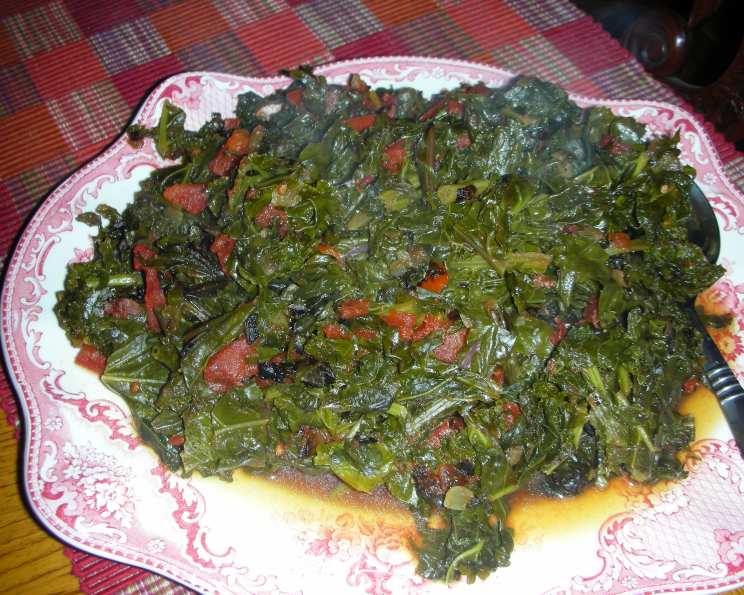
Kenyan Greens Simmered With Tomatoes (Sukuma Wiki)
There are certain dishes that, when they enter your kitchen, quickly become more than just food; they become an experience, a comforting ritual. For me, Sukuma Wiki is one of those dishes. I first encountered it years ago in a small, bustling market in Nairobi, the air thick with the scent of spices and simmering stews. A friendly vendor, noticing my wide-eyed fascination, ladled a generous portion of this vibrant green dish onto my plate, accompanied by a warm smile and a simple explanation: “It stretches the week.” That simple phrase, “Sukuma Wiki,” meaning “to push the week” or “stretch the week” in Swahili, perfectly encapsulates its essence – a humble yet nourishing staple that makes the most of what’s available. It’s the taste of resourcefulness, of community, and of the simple joy of a well-prepared, wholesome meal.
Recipe Overview
- Prep Time: 15 minutes
- Cook Time: 30 minutes
- Total Time: 45 minutes
- Servings: 4-6
- Yield: 1 pot
- Dietary Type: Vegan, Gluten-Free, Dairy-Free
Ingredients
- 3 tablespoons oil (vegetable, canola, or other neutral cooking oil)
- 1 large onion, chopped (or 1 teaspoon minced onion granules)
- 2 lbs kale or 2 lbs collard greens, destemmed and finely chopped
- 2 cups tomatoes, chopped
- 1 cup water or 1 cup stock (vegetable stock is a great choice for extra flavor)
- Salt and pepper to taste
Equipment Needed
- A large, heavy-bottomed pot or Dutch oven
- A sharp knife for chopping greens and tomatoes
- A cutting board
- A spoon or spatula for stirring
Instructions
- Begin by heating the oil in your large, heavy-bottomed pot over medium-high heat. Ensure the pot is adequately heated before proceeding.
- Add the chopped onion to the hot oil. Sauté the onion, stirring occasionally, until it becomes translucent. This process usually takes about 5-7 minutes, and it’s crucial for building a sweet flavor base for the dish.
- Once the onions are translucent, begin adding the finely chopped greens (kale or collard greens). It’s often easiest to add them in batches, allowing each addition to wilt slightly before adding more. Continue to saute the greens, stirring them into the onions, until they have all wilted down significantly. This step helps to tenderize the greens and reduce their volume.
- Next, add the chopped tomatoes to the pot. Stir them in with the greens and onions.
- Pour in the water or stock.
- Season generously with salt and pepper.
- Bring the mixture to a boil over medium-high heat.
- Once boiling, reduce the heat to low and allow the Sukuma Wiki to simmer gently.
- Cover the pot and let it simmer for 20 to 30 minutes, or until the greens are tender to your liking. The exact cooking time can vary depending on the type of greens used and how finely they were chopped. You are looking for a tenderness that makes the greens pleasant to eat, not mushy, but definitely yielding.
- Once the greens are tender, adjust the seasoning with additional salt and pepper if needed. Taste and re-season until the flavor is just right for you.
- Serve the Sukuma Wiki hot, ensuring to include a little bit of the flavorful broth with each serving.
Expert Tips & Tricks
- Greens Preparation is Key: For the best texture, ensure your kale or collard greens are destemmed thoroughly. The stems can be quite tough. Then, chop them as finely as possible. This will lead to a more tender and enjoyable final dish. If using collard greens, you might need to chop them even finer than kale.
- Building Flavor: While the base recipe is simple, don’t underestimate the power of sautéing the onions until properly translucent. This sweetens them and prevents any harsh onion flavor from dominating the dish.
- Broth is Your Friend: The liquid added (water or stock) helps to tenderize the greens and creates a delicious, flavorful broth. Don’t be tempted to drain it away; it’s an integral part of the dish!
- Spice It Up: For an extra layer of flavor and a touch of heat, consider adding a chopped chili pepper (like a bird’s eye chili or jalapeño, seeds removed if you prefer less heat) along with the onions in step 2. It will infuse the oil and the entire dish with a wonderful warmth.
Serving & Storage Suggestions
Sukuma Wiki is incredibly versatile and is traditionally served as a side dish, most commonly with ugali (a stiff cornmeal porridge) or rice. It also pairs beautifully with grilled meats, fish, or stews. For an attractive presentation, ladle the Sukuma Wiki into a shallow bowl, ensuring some of the flavorful broth is visible. A sprinkle of fresh, finely chopped cilantro or parsley can add a touch of green freshness.
Leftovers can be stored in an airtight container in the refrigerator for up to 3-4 days. Reheat gently on the stovetop over low heat, adding a splash of water or stock if it seems a little dry. It can also be reheated in the microwave. While freezing is possible, the texture of the greens might change slightly upon thawing.
Nutritional Information
| Nutrient | Amount per Serving | % Daily Value |
|---|---|---|
| Calories | 231.1 | |
| Calories from Fat | 108 | |
| Total Fat | 12 g | 18 % |
| Saturated Fat | 1.6 g | 7 % |
| Cholesterol | 0 mg | 0 % |
| Sodium | 105.2 mg | 4 % |
| Total Carbohydrate | 28.8 g | 9 % |
| Dietary Fiber | 6.1 g | 24 % |
| Sugars | 3.5 g | 14 % |
| Protein | 8.6 g | 17 % |
Note: Nutritional values are estimates and can vary based on specific ingredients and quantities used.
Variations & Substitutions
The beauty of Sukuma Wiki lies in its adaptability. While kale and collard greens are the most traditional, you could also experiment with other sturdy greens like mustard greens or a mixture of chard. If you find yourself with very young, tender spinach, it can be used, but it will cook down much faster and might have a slightly different flavor profile.
For added richness and a hint of smokiness, consider adding a chopped chili pepper with the onions, as mentioned in the tips. If you have leftover cooked meat, such as chicken or beef, you can chop it finely and add it during the last 10-15 minutes of simmering to create a heartier, more substantial dish. Some variations also incorporate a small amount of crushed peanuts or ground coriander for added depth of flavor.
FAQs
Q: What does “Sukuma Wiki” actually mean?
A: “Sukuma Wiki” is a Swahili phrase that translates to “to push the week” or “stretch the week.” It refers to its role as an affordable and nourishing dish that helps make ingredients last longer.
Q: Can I use spinach instead of kale or collard greens?
A: Yes, you can use spinach, but be aware that it cooks down significantly faster. You’ll need to add it towards the end of the cooking time, perhaps just for the last 5-10 minutes, to prevent it from becoming overcooked and mushy.
Q: What is the best way to prepare the greens for Sukuma Wiki?
A: The key is to destem the greens thoroughly and then chop them very finely. This ensures they become tender and easier to eat.
Q: Is Sukuma Wiki a main dish or a side dish?
A: Traditionally, Sukuma Wiki is served as a side dish, often accompanying staples like ugali, rice, or other protein-focused meals. However, with the addition of other ingredients, it can certainly become a more substantial main course.
Q: Can I make Sukuma Wiki ahead of time?
A: Absolutely! Sukuma Wiki can be made ahead of time and reheated. In fact, some people find the flavors meld and deepen beautifully after resting overnight.
Final Thoughts
Sukuma Wiki is more than just a recipe; it’s a culinary philosophy. It embodies the spirit of making delicious, healthy food from simple, accessible ingredients. This dish is a testament to how vibrant flavors and satisfying textures can emerge from the most humble of kitchens. I encourage you to try this Kenyan classic, to taste its comforting warmth and appreciate its inherent goodness. Serve it with your favorite accompaniment, perhaps a fluffy mound of ugali, and savor the simple, profound pleasure of a meal well made. Share it with loved ones, and let the spirit of “stretching the week” fill your home with deliciousness and contentment.