
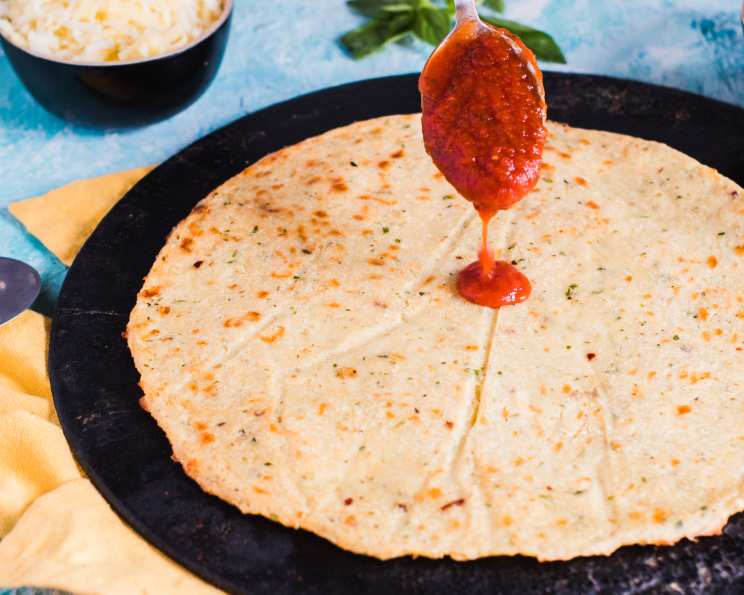
The Miracle of Keto Cauliflower Crust: A Chef’s Guide to Low-Carb Pizza Perfection
I remember the first time I truly embraced cauliflower as more than just a side dish. It was at a small, bustling trattoria in Rome, where a daring chef presented a “pizza” that looked remarkably familiar, yet defied all expectations. Instead of a yeasted dough, a golden, slightly crisp base cradled vibrant toppings. That was my introduction to the magic of cauliflower crust, and it sparked a culinary quest to replicate that ingenious simplicity at home. It’s a testament to how versatile vegetables can be, transforming humble florets into a foundation for delicious, guilt-free indulgence.
Recipe Overview
- Prep Time: 20 minutes
- Cook Time: 25 minutes
- Total Time: 45 minutes
- Servings: 4
- Yield: 2 Pizza Crusts
- Dietary Type: Low-Carb, Keto-Friendly
Ingredients
For the Cauliflower Crust:
- 1 tablespoon extra virgin olive oil
- 1 lb finely chopped cauliflower (about 1 large head, processed until rice-like)
- 2 ½ teaspoons kosher salt (divided)
- 2 large eggs
- ½ cup shredded low-moisture, full-fat mozzarella cheese
- ¼ cup almond flour
- 1 tablespoon chopped fresh parsley
- ¼ teaspoon dried oregano
- ⅛ teaspoon crushed red pepper flakes (optional, for a hint of heat)
- ⅛ teaspoon granulated garlic
Equipment Needed
- Food processor or grater
- Clean kitchen towel or cheesecloth
- Large mixing bowl
- Quarter sheet tray or baking sheet
- Parchment paper
- Rubber spatula
Instructions
-
Preheat the Oven and Prepare the Pan: Begin by preheating your oven to a robust 450 degrees F (230 degrees C). Line a quarter sheet tray (or a standard baking sheet if that’s what you have) with parchment paper. Lightly coat the parchment paper with olive oil, then set the prepared tray aside. This step is crucial for ensuring your crust doesn’t stick and develops a lovely crisp texture.
-
Prepare the Cauliflower: Take your finely chopped cauliflower (aim for a rice-like consistency, achieved by pulsing in a food processor or grating) and toss it with 1 teaspoon of the kosher salt. This initial salting helps draw out moisture. Now, the key to a non-soggy crust: wrap the salted cauliflower tightly in a clean kitchen towel or a few layers of cheesecloth. Wring out as much liquid as humanly possible. Seriously, put some muscle into it! The drier the cauliflower, the better the crust.
-
Combine Crust Ingredients: Transfer the thoroughly dried cauliflower to a large mixing bowl. Add the eggs, shredded mozzarella cheese, almond flour, chopped parsley, dried oregano, crushed red pepper flakes (if using), granulated garlic, and the remaining 1 ½ teaspoons of kosher salt.
-
Mix the Dough: Use your hands or a sturdy spoon to mix all the ingredients together until they are thoroughly combined. The mixture should form a cohesive dough that holds together when you squeeze a portion of it in your hand. If it seems a bit too wet, you can gently squeeze out a little more moisture, but avoid adding more almond flour unless absolutely necessary, as this can make the crust dry.
-
Form and Shape the Crusts: Evenly and firmly press the cauliflower mixture onto the prepared parchment-lined quarter sheet tray. The goal is to create two relatively thin, uniform crusts, spaced about ¼-inch apart. Use a rubber spatula or your hands to help spread and shape the dough. Think of it as building your pizza foundation – stability is key!
-
First Bake: Place the sheet tray in the preheated oven. Bake for 15-20 minutes, or until the crust edges are visibly brown and the crust appears set. This initial bake is essential for creating structure.
-
Flip and Second Bake: Carefully remove the crusts from the oven. Using the parchment paper, flip each crust over onto the other side. Then, gently remove the parchment paper that was originally in contact with the crust. Place the flipped crusts back onto the oven rack (you might need to use the same parchment paper again, or a fresh sheet). Cook for an additional 5 minutes, or until the bottom of the crust begins to brown as well. This second bake ensures both sides of the crust are nicely crisped.
-
Add Toppings and Final Bake: Now for the fun part! Top the crusts with your desired pizza toppings. Once topped, bake again in the oven until the toppings are heated through and any cheese is melted and bubbly.
-
Serve: Remove the finished pizzas from the oven and serve immediately. The cauliflower crust is best enjoyed hot, fresh from the oven.
Expert Tips & Tricks
- The Squeeze is Supreme: Don’t underestimate the importance of wringing out the cauliflower. The drier it is, the crispier your crust will be, preventing that dreaded soggy middle.
- Even Thickness is Key: When pressing the dough onto the parchment, aim for an even thickness across the entire crust. This promotes uniform baking and prevents some areas from burning while others remain undercooked.
- Don’t Overload: While it’s tempting to pile on every topping imaginable, be mindful of the amount. Excessive moisture from toppings can soften the crust.
- Pre-bake for Crispness: The double-baking method is crucial. It dries out the crust further, creating a delightful chew and crispness that holds up to toppings.
- Get Creative with Seasoning: Feel free to experiment with other herbs and spices in the crust mixture. Garlic powder, onion powder, or a pinch of Italian seasoning can add extra layers of flavor.
Serving & Storage Suggestions
This Keto Cauliflower Crust is incredibly versatile and serves as a fantastic base for any of your favorite pizza creations. Serve it hot, straight from the oven, with a side of fresh arugula salad for a complete meal. Leftovers, if any, can be stored in an airtight container in the refrigerator for up to 2-3 days. To reheat, place the slices on a baking sheet and warm them in a 350-degree F (175-degree C) oven for about 5-10 minutes, or until heated through and slightly crisped. For longer storage, the baked and cooled crusts (un-topped) can be wrapped tightly and frozen for up to a month. Thaw completely before adding toppings and reheating.
Nutritional Information (Estimated per serving, before toppings)
| Nutrient | Amount per Serving | % Daily Value |
|---|---|---|
| Calories | 117 kcal | |
| Calories from Fat | 54 % | |
| Total Fat | 7 g | 10 % |
| Saturated Fat | 2.9 g | 14 % |
| Cholesterol | 104.1 mg | 34 % |
| Sodium | 1611.4 mg | 67 % |
| Total Carbohydrate | 6.3 g | 2 % |
| Dietary Fiber | 2.3 g | 9 % |
| Sugars | 2.4 g | 9 % |
| Protein | 8.5 g | 16 % |
Note: Nutritional values are estimates and can vary based on specific ingredients and portion sizes.
Variations & Substitutions
While this recipe is crafted for a classic keto experience, there are always ways to adapt! For a dairy-free option, you could try omitting the mozzarella or experimenting with a dairy-free shredded cheese alternative, keeping in mind that meltability might vary. If you’re not a fan of almond flour, coconut flour can be used, but it’s more absorbent, so you might need to adjust the quantity slightly and be extra careful about moisture levels in the cauliflower. For those who enjoy a bit more flavor, consider adding a pinch of smoked paprika or a touch of nutritional yeast to the crust mixture for a cheesy, umami boost.
FAQs (Frequently Asked Questions)
Q: Why is my cauliflower crust soggy?
A: The most common culprit is insufficient moisture removal from the cauliflower. Ensure you wring out as much liquid as possible using a clean towel or cheesecloth.
Q: Can I make this crust ahead of time?
A: Yes! You can prepare and bake the crusts (up to the second bake), let them cool completely, and then freeze them for later. Top and bake when ready to serve.
Q: How do I prevent the crust from sticking to the parchment paper?
A: Lightly coating the parchment paper with olive oil before placing the cauliflower mixture on it should prevent sticking. If you encounter issues, using a fresh piece of parchment for the second bake can also help.
Q: Can I use frozen cauliflower?
A: It’s best to use fresh cauliflower for this recipe. Frozen cauliflower has a higher water content, making it more challenging to achieve a dry, crisp crust.
Q: What kind of mozzarella cheese should I use?
A: Low-moisture, full-fat mozzarella is recommended. It melts well and doesn’t add excess moisture to the crust, unlike fresh mozzarella.
Final Thoughts
The beauty of this Keto Cauliflower Crust lies in its adaptability and deliciousness. It’s more than just a low-carb substitute; it’s a culinary creation that opens up a world of pizza possibilities for those seeking healthier alternatives. Don’t be afraid to experiment with your favorite toppings, from classic pepperoni to vibrant roasted vegetables. Share your creations with friends and family, and watch them marvel at how satisfying and flavorful a vegetable-based pizza can be. Pair it with a crisp, dry white wine or a refreshing sparkling water for the ultimate guilt-free feast. Enjoy the journey!