
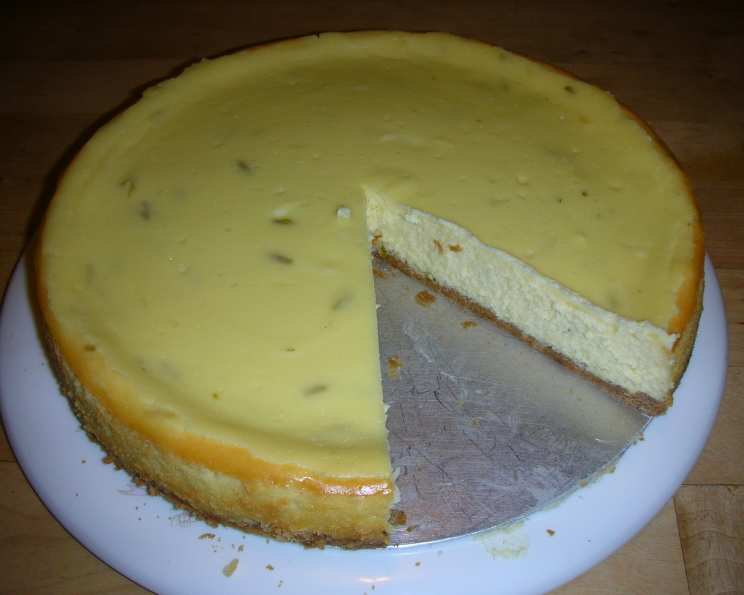
The Sunshine State in a Slice: A Key Lime Cheesecake Dream
There are certain flavors that, for me, evoke a specific time and place, and for key lime, it’s always the sun-drenched warmth of Florida’s coast. I remember one sweltering summer afternoon, years ago, visiting a tiny roadside stand in the Keys. They served a key lime pie so electrifyingly tart, so impossibly creamy, it was like tasting sunshine itself. It was that singular experience, that perfect balance of bright citrus and decadent richness, that has always stayed with me. It’s a flavor that whispers of lazy afternoons, ocean breezes, and pure, unadulterated joy. This key lime cheesecake aims to capture that magic, transforming that beloved pie into an even more luxurious dessert, a sophisticated twist that honors the original while elevating it to new heights of creamy, tangy perfection.
Recipe Overview
- Prep Time: 20 minutes
- Cook Time: 55-65 minutes
- Total Time: Approximately 1 hour 15 minutes (plus chilling time)
- Servings: 16
- Yield: 1 (9-inch) cheesecake
- Dietary Type: Dessert
Ingredients
For the Crust:
- 1 cup vanilla wafer crumbs (about 20 wafers)
- 2 tablespoons margarine, melted
For the Filling:
- 24 ounces light cream cheese, softened (this typically comes in three 8-ounce packages)
- 1 cup sugar
- 3 large eggs
- 1 tablespoon fresh lime zest (from about 2-3 limes)
- 1/4 cup fresh lime juice (from about 2-3 limes)
Equipment Needed
- 9-inch springform pan or cheesecake pan with a removable bottom
- Medium bowl
- Large bowl
- Electric mixer (handheld or stand mixer)
- Rubber spatula
- Zester or fine grater
- Measuring cups and spoons
- Oven
- Wire cooling rack
Instructions
- Preheat your oven to 325°F (160°C).
- Prepare the Crust: In a medium bowl, combine the vanilla wafer crumbs and the melted margarine. Mix well until the crumbs are evenly moistened.
- Press the Crust: Press this mixture firmly into the bottom of an ungreased 9-inch springform pan or cheesecake pan with a removable bottom. Ensure an even layer.
- Chill the Crust: Place the pan with the crust in the refrigerator while you prepare the filling. This helps the crust set and prevents it from crumbling when the filling is added.
- Start the Filling: In a large bowl, beat the softened light cream cheese until it is wonderfully smooth. It’s crucial that the cream cheese is at room temperature to achieve this smooth consistency without lumps.
- Incorporate Sugar and Eggs: Beat in the sugar until well combined. Then, at a low speed, incorporate the eggs, one at a time, blending until smooth after each addition. Be careful not to overmix once the eggs are added, as this can incorporate too much air, which can lead to cracks.
- Add the Citrus: Blend in the lime zest and lime juice until everything is just combined and smooth. The vibrant aroma of the lime should now be noticeable.
- Pour into Crust: Pour the filling evenly over the chilled crust in the prepared pan.
- Bake the Cheesecake: Bake at 325°F (160°C) for 55 to 65 minutes, or until the edges are set and the center is still slightly jiggly. A good indicator of doneness is when the cheesecake looks set around the edges but gently wobbles in the very center when the pan is nudged.
- Cool in Oven: Once the baking time is complete, turn the oven off. Open the oven door at least 4 inches wide. Let the cheesecake set undisturbed in the cooling oven for about 30 minutes. This gradual cooling process helps prevent drastic temperature changes that can cause cracking.
- Initial Cooling: Remove the cheesecake from the oven and let it stand on a wire rack for 10 minutes.
- Further Cooling: Carefully remove the sides of the springform pan. Cool the cheesecake in the pan on the wire rack for 1 hour.
- Refrigerate: Refrigerate the cheesecake for at least 4 hours, or preferably overnight, to allow it to fully set and develop its flavors. Chilling is essential for the perfect cheesecake texture.
Expert Tips & Tricks
- Room Temperature is Key: For the smoothest cream cheese filling, ensure your cream cheese is truly at room temperature. This means leaving it out on the counter for at least an hour, or gently warming it if you’re in a pinch, but be cautious not to melt it. Cold cream cheese will result in a lumpy batter.
- Gentle Mixing for Eggs: When adding eggs, use the lowest speed on your mixer and mix only until just combined. Overbeating eggs can introduce too much air, which will cause the cheesecake to puff up too much during baking and then collapse and crack as it cools.
- The Water Bath Advantage (Optional but Recommended): While not strictly required by this recipe, many bakers swear by a water bath for cheesecakes. To do this, wrap the outside of your springform pan tightly with several layers of heavy-duty aluminum foil. Place the wrapped pan in a larger baking pan. Pour about an inch of hot water into the larger pan, ensuring it comes up around the sides of the springform pan. This creates a moist, even cooking environment that helps prevent cracking and promotes a creamier texture. If you opt for this method, you may need to adjust your baking time slightly, so keep an eye on it.
- Zest with Care: When zesting your limes, aim to capture only the bright green outer layer, avoiding the bitter white pith underneath. A microplane zester is ideal for this.
- Juice Fresh: Always use freshly squeezed lime juice for the most vibrant and authentic flavor. Bottled juices can sometimes have a less potent or even slightly artificial taste.
Serving & Storage Suggestions
This Key Lime Cheesecake is a showstopper on its own, but it also pairs beautifully with a dollop of lightly sweetened whipped cream or a scattering of fresh lime slices or mint leaves for garnish. For an extra touch, a drizzle of homemade key lime curd would be divine.
Storage:
- Room Temperature: Due to the cream cheese and eggs, this cheesecake should not be left at room temperature for more than 2 hours.
- Refrigerator: Leftover cheesecake can be stored, tightly covered, in the refrigerator for up to 3-4 days. Ensure it’s well-wrapped to prevent it from absorbing odors from other foods.
- Freezer: For longer storage, wrap individual slices or the entire cheesecake tightly in plastic wrap, then in aluminum foil. It can be frozen for up to 1-2 months. Thaw overnight in the refrigerator before serving.
Nutritional Information
| Nutrient | Amount per Serving | % Daily Value |
|---|---|---|
| Calories | 159.4 kcal | |
| Calories from Fat | 95 g | |
| Total Fat | 10.6 g | 16% |
| Saturated Fat | 5.7 g | 28% |
| Cholesterol | 67.9 mg | 22% |
| Sodium | 47 mg | 1% |
| Total Carbohydrate | 14.5 g | 4% |
| Dietary Fiber | 0 g | 0% |
| Sugars | 12.7 g | 50% |
| Protein | 2.4 g | 4% |
(Note: Nutritional information is an estimate and can vary based on specific ingredients and brands used.)
Variations & Substitutions
- Oreo Crust: For a more indulgent crust, omit the vanilla wafers and use 10-15 crushed Oreo cookies mixed with 2 tablespoons of melted margarine.
- Lime Intensity: If you crave an even more pronounced lime flavor, you can increase the lime zest to 1.5 tablespoons and the lime juice to 5 tablespoons, adjusting your sugar slightly if needed to balance the tartness.
- Lemon Zing: While not traditional, you could substitute some of the lime juice and zest with lemon for a different citrus profile.
- Gluten-Free: Use gluten-free vanilla wafer crumbs or a pre-made gluten-free graham cracker crust for a gluten-free option.
FAQs
Q: Why did my cheesecake crack?
A: Cheesecakes often crack due to overmixing of eggs, sudden temperature changes (like taking it straight from a hot oven to a cool counter), or baking at too high a temperature. The cooling process outlined in the recipe is designed to minimize this.
Q: Can I make this cheesecake ahead of time?
A: Absolutely! Cheesecakes benefit from chilling time, so making it a day in advance is ideal. It can be stored in the refrigerator for several days.
Q: How do I know when the cheesecake is done?
A: The edges of the cheesecake should appear set, while the center should still have a slight wobble. It will continue to set as it cools.
Q: Can I use regular cream cheese instead of light cream cheese?
A: Yes, you can use full-fat cream cheese for a richer, denser cheesecake. You may need to adjust baking time slightly as the fat content can affect how it bakes.
Q: How do I prevent the crust from getting soggy?
A: Chilling the crust before adding the filling and baking it initially helps it firm up. Ensure the cheesecake is fully chilled before slicing, as this also prevents sogginess.
Final Thoughts
This Key Lime Cheesecake is more than just a dessert; it’s a little slice of sunshine, a creamy, tangy escape to warmer climes. It’s a testament to how simple, bright flavors can be transformed into something truly extraordinary. I encourage you to try this recipe, to experience that delightful balance of sweet and tart that makes key lime so beloved. Serve it chilled, perhaps with a cool glass of iced tea or a crisp white wine, and savor every velvety bite. Don’t hesitate to share your creations and any adjustments you make – happy baking!