
The Vibrant Heart of Korean Cuisine: A Deep Dive into Kimchi
The pungent, spicy, and utterly addictive aroma of kimchi has always been more than just a scent to me; it’s a nostalgic embrace. I recall my grandmother’s tiny kitchen, a space that hummed with a quiet, rhythmic energy, especially during kimchi-making season. The air would be thick with the sharp tang of fermenting cabbage, the sweet perfume of garlic and ginger, and a whisper of the ocean from the salted shrimp. Even as a child, I understood the reverence surrounding this dish, witnessing how it transformed humble ingredients into a powerhouse of flavor, a testament to patience and tradition. It wasn’t just food; it was a ritual, a cornerstone of our family’s culinary heritage, and a daily ritual that nourished us, body and soul.
Recipe Overview
- Prep Time: 4 hours (includes salting time)
- Cook Time: 10 minutes (for preparing seasoning paste)
- Total Time: 24 hours (minimum for fermentation)
- Servings: 8
- Yield: Approximately 1 gallon
- Dietary Type: Vegan (if using vegan fish sauce or omitting)
Ingredients
The beauty of kimchi lies in its adaptability, but for this foundational recipe, we focus on the essentials that create that unmistakable flavor profile.
- 2 lbs Chinese napa cabbage
- 1 tablespoon salt (for salting the cabbage)
- 2 green onions, chopped
- 4 garlic cloves, crushed
- 1 tablespoon crushed red pepper flakes (gochugaru – adjust to your spice preference)
- 2 teaspoons minced ginger
- 1/2 cup light soy sauce (or vegan fish sauce for a more traditional flavor)
- 1/2 cup white vinegar
- 2 teaspoons vegan sugar (or granulated sugar, adjust to taste)
- Sesame oil (optional, for drizzling before serving)
Equipment Needed
While kimchi can be made with basic kitchen tools, a few items will make the process smoother and more enjoyable.
- A very large bowl for salting the cabbage.
- A colander for draining.
- Another medium-sized bowl for mixing the seasoning.
- Gloves (highly recommended to protect your hands from the chili paste and staining).
- An airtight container or a traditional Korean onggi (fermentation crock) for storing and fermenting the kimchi.
Instructions
Crafting kimchi is a multi-stage process that requires a bit of patience but is deeply rewarding. This recipe offers a quicker path to enjoying this fermented delight.
- Prepare the Cabbage: Begin by coarsely chopping the Chinese napa cabbage. Aim for roughly 1-inch pieces. Place the chopped cabbage in your very large bowl.
- Salt the Cabbage: Sprinkle the cabbage generously with the 1 tablespoon of salt. Gently toss the cabbage to ensure the salt is evenly distributed. This is a crucial step for drawing out moisture and beginning the tenderizing process.
- Allow to Wilt: Let the salted cabbage stand for 3-4 hours. During this time, the cabbage will wilt significantly and release a substantial amount of water. Toss the cabbage every hour or so to ensure even salting and wilting.
- Drain and Squeeze: Once the cabbage has wilted and softened, squeeze the excess water out with your hands. You can also place the cabbage in a colander and press down firmly. The goal is to remove as much liquid as possible to prevent the kimchi from becoming watery. Discard the released liquid.
- Combine with Seasoning: Place the squeezed cabbage into another, medium-sized bowl. Add the chopped green onions, crushed garlic cloves, crushed red pepper flakes, minced ginger, light soy sauce, white vinegar, and vegan sugar.
- Mix Thoroughly: Mix all the ingredients well. Use your hands (preferably with gloves on) to ensure the seasoning paste is evenly distributed throughout the cabbage. Every piece of cabbage should be coated in the vibrant red mixture.
- Ferment: Transfer the seasoned cabbage mixture into your airtight container or fermentation crock. Press down firmly to remove any air pockets. Refrigerate the kimchi at least 24 hours before serving. This allows the flavors to meld and the fermentation process to begin. For a more developed flavor, you can let it ferment at room temperature for a day or two before refrigerating.
Expert Tips & Tricks
Mastering kimchi isn’t about rigid rules, but about understanding the subtle nuances that elevate the dish. Here are a few insights from my years in the kitchen:
- The Salt Matters: Use a coarse salt like kosher salt or sea salt for brining. Avoid iodized table salt, as it can impart an off-flavor. The amount of salt is critical; too little and it won’t draw out enough moisture, too much and it will be overly salty.
- Go for Gochugaru: The type of chili flakes (gochugaru) you use significantly impacts the flavor and color. Look for Korean chili flakes, which are less spicy than many Western varieties and have a more complex, slightly smoky sweetness.
- Taste and Adjust: The seasoning is a guideline. Don’t be afraid to taste the mixture before adding it to the cabbage. If you prefer it spicier, add more gochugaru. If you like it a touch sweeter, a bit more sugar. If you’re aiming for a deeper umami, a splash more soy sauce or a vegan fish sauce substitute is your friend.
- The Power of Fermentation: Kimchi truly transforms in the refrigerator. The initial 24 hours are just the beginning. The longer it ferments, the more complex and tangy the flavor becomes. Don’t rush this stage; it’s where the magic happens.
- Hygiene is Key: Especially when working with raw vegetables and fermentation, ensure your hands, bowls, and containers are clean to prevent unwanted bacteria from spoiling your batch.
Serving & Storage Suggestions
Kimchi is incredibly versatile and can be enjoyed in countless ways.
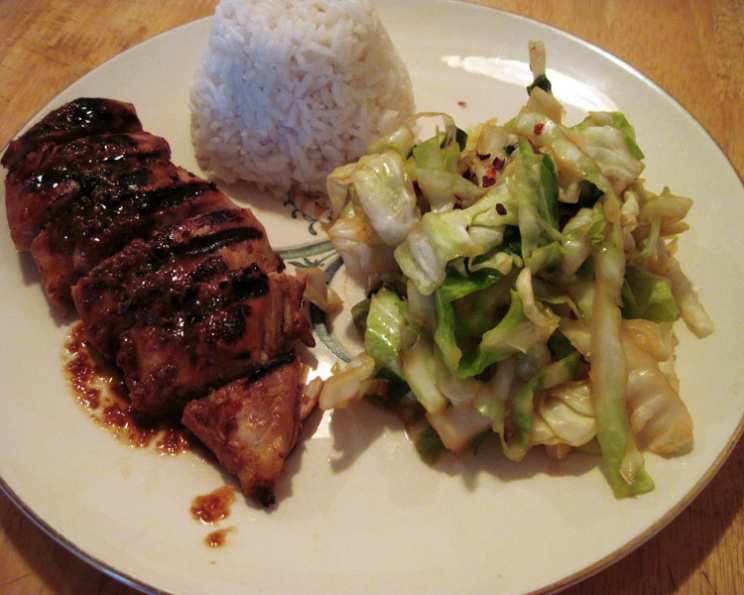
Serving: Kimchi is traditionally served as a banchan (side dish) alongside almost any Korean meal. It’s a staple that complements rice, stews, grilled meats, and noodles beautifully. For a quick snack, a spoonful of kimchi with a bowl of steamed rice is pure comfort. You can also use it as a flavor enhancer in stir-fries, fried rice, pancakes (kimchijeon), or even in sandwiches and tacos. Drizzle a few drops of sesame oil over a serving just before it hits the table for an extra layer of aroma and flavor.
Storage: Once fermented to your liking, store the kimchi in an airtight container in the refrigerator. It will continue to ferment slowly, becoming more sour and complex over time. Properly stored, kimchi can last for several weeks, even months, in the refrigerator. The flavor will evolve, so try it at different stages of fermentation to discover your preference. For longer storage, you can freeze kimchi, though the texture may soften upon thawing.
Nutritional Information
Here’s an estimated nutritional breakdown for a serving of this quick kimchi:
| Nutrient | Amount per Serving | % Daily Value |
|---|---|---|
| Calories | 41.1 kcal | – |
| Calories from Fat | – | – |
| Total Fat | 0.3 g | 0% |
| Saturated Fat | 0.1 g | 0% |
| Cholesterol | 0 mg | 0% |
| Sodium | 1909.8 mg | 79% |
| Total Carbohydrate | 6.9 g | 2% |
| Dietary Fiber | 1.7 g | 6% |
| Sugars | 3.2 g | 13% |
| Protein | 3.5 g | 7% |
Note: Nutritional values are approximate and can vary based on specific ingredients and quantities used.
Variations & Substitutions
While this recipe provides a solid foundation, the world of kimchi is vast and exciting.
- Radish Kimchi (Kkakdugi): Cube Korean radish instead of napa cabbage for a crunchier, spicier kimchi.
- Cucumber Kimchi (Oisobagi): Stuff sliced cucumbers with the kimchi paste for a refreshing, summery version.
- White Kimchi (Baek Kimchi): For a non-spicy option, omit the gochugaru and add fruits like pears or apples for sweetness and flavor.
- Seafood Additions: Traditional kimchi often includes fermented seafood like salted shrimp (saeujeot) or fish sauce. For a vegan version, soy sauce or a good quality vegan fish sauce substitute works beautifully.
FAQs (Frequently Asked Questions)
Q: How do I know when my kimchi is ready to eat?
A: After 24 hours in the refrigerator, your kimchi will be ready to enjoy. It will have a fresh, bright flavor. For a more mature, tangy taste, let it ferment longer. You’ll notice it becoming more sour and developing deeper probiotic notes over time.
Q: My kimchi tastes too watery. What did I do wrong?
A: This often happens if the cabbage wasn’t sufficiently drained and squeezed after salting. Make sure to press out as much liquid as possible.
Q: Can I use regular red pepper flakes instead of gochugaru?
A: You can, but the flavor and heat profile will be different. Gochugaru is preferred for its unique sweetness and smoky notes that are characteristic of authentic kimchi.
Q: Is it safe to let kimchi ferment at room temperature?
A: Yes, it is a common practice to ferment kimchi at room temperature for 1-3 days to kickstart the process before refrigerating. Monitor it closely, and once it reaches your desired tanginess, transfer it to the fridge.
Q: How do I stop the kimchi from smelling up my refrigerator?
A: Using an airtight container is crucial. Ensure the lid is sealed tightly. You can also place the kimchi container inside a larger bag or another container to further contain the aroma.
A Culinary Journey
The art of making kimchi, even this quicker version, is a journey into the heart of Korean culinary philosophy – one that celebrates fermentation, balance, and the transformative power of simple ingredients. It’s a dish that evolves with time, offering new layers of flavor and complexity with each passing day. I encourage you to embrace this process, to taste, to adjust, and to discover your own perfect batch. Serve it proudly with your favorite Korean dishes, or simply enjoy a spoonful of this vibrant, probiotic-rich delight on its own. Share your creations, and let the bold, unforgettable taste of kimchi bring a spark of Korean zest to your table.