
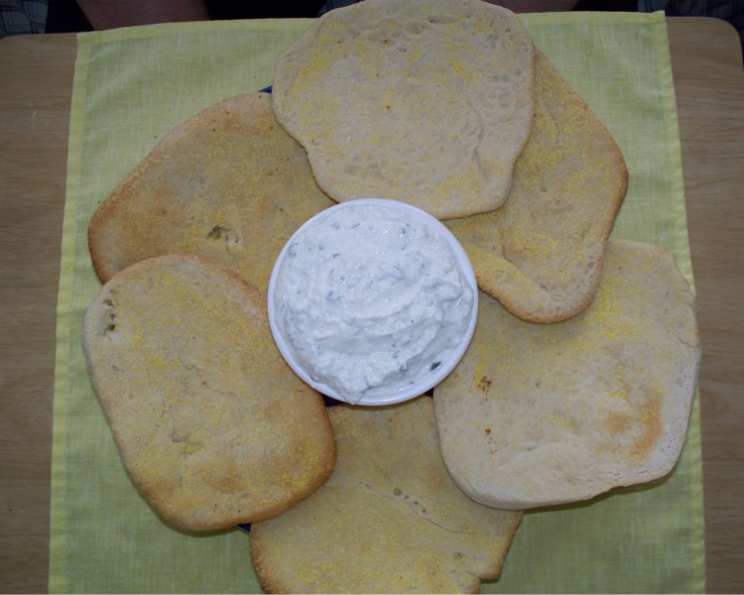
Kittencal’s Tzatziki: A Dreamy Greek Dip That Will Steal Your Heart
There are certain dishes that, with just one bite, transport you. For me, Kittencal’s Tzatziki is one of those culinary anchors, a taste of sun-drenched Greece that I first encountered at a lively family gathering years ago. The crisp, cool yogurt, the fragrant mint, the subtle kiss of garlic – it was a revelation, so far removed from the often bland or overly oily versions I’d tried before. It quickly became a staple in my kitchen, a reliable comfort that never fails to impress, whether spread generously on warm pita or scooped up with vibrant crudités.
Recipe Overview
- Prep Time: 15 minutes (assuming Greek yogurt is used)
- Cook Time: 0 minutes
- Total Time: 2 hours (minimum chilling time)
- Servings: Approximately 4-6
- Yield: About 5 cups
- Dietary Type: Vegetarian, Gluten-Free
Ingredients
- 3 cups Greek yogurt (also known as yiaourti sakoulas – its richness is key!)
- 2 lbs cucumbers (about 3 medium-sized, peeled)
- 3 teaspoons minced fresh garlic (feel free to add more if you adore a potent garlic punch!)
- ½ teaspoon salt
- ¼ cup chopped fresh mint
- Freshly ground black pepper (to taste)
Equipment Needed
- Fine-mesh sieve or colander
- Large mixing bowl
- Small bowl or mortar and pestle
- Measuring cups and spoons
- Sharp knife
- Cutting board
- Spatula or spoon for mixing
Instructions
This is a recipe where the magic happens through thoughtful preparation and a little patience, allowing the flavors to meld beautifully.
- Prepare the Cucumbers: Begin by peeling your cucumbers. Then, chop them finely. The smaller the pieces, the better they will integrate into the tzatziki, and the more readily they will release their excess moisture.
- Drain the Cucumbers: Transfer the finely chopped cucumbers to a fine-mesh sieve. If you don’t have a sieve, a colander lined with a double layer of cheesecloth or even a clean kitchen towel will work in a pinch. Now comes the crucial step: press out as much excess liquid as possible. You can use the back of a spoon or your hands to gently but firmly press the water from the cucumbers. The drier the cucumbers, the thicker and more stable your tzatziki will be, preventing it from becoming watery. Let them drain for at least 10-15 minutes while you proceed with the other ingredients.
- Create the Garlic Paste: In a small bowl, combine the minced fresh garlic with the ½ teaspoon of salt. Using the back of a spoon, or ideally a mortar and pestle, mash them together to form a smooth paste. This step is excellent for mellowing the raw bite of the garlic and ensuring it disperses evenly throughout the yogurt. If you’re sensitive to raw garlic or prefer a milder flavor, this paste method is your friend.
- Combine the Base: In a large mixing bowl, add your Greek yogurt. If you’re unable to find Greek yogurt, you can absolutely make your own by draining regular full-fat plain yogurt through a triple thickness of cheesecloth in the refrigerator for at least 8 hours or overnight. This straining process is what gives Greek yogurt its characteristic thickness and rich texture, which is ideal for tzatziki.
- Incorporate Garlic and Cucumber: Add the garlic and salt paste to the Greek yogurt. Then, add the drained cucumbers, the chopped fresh mint, and a drizzle of olive oil (optional, but adds a lovely richness and sheen, though not explicitly listed in the original ingredients, it’s a common and beneficial addition in professional kitchens).
- Season and Mix: Season generously with freshly ground black pepper to your taste. Gently stir everything together until all the ingredients are well incorporated. Be careful not to overmix, as this can sometimes make the yogurt a bit more liquid. You want a creamy, cohesive dip.
- Chill for Flavor Development: This is arguably the most important step after draining the cucumbers. Cover the bowl tightly with plastic wrap or a lid and refrigerate for a minimum of 2 hours. This chilling period is essential. It allows the flavors to meld and deepen, the garlic to mellow further, and the cucumber to infuse its coolness into the yogurt. Honestly, the hardest part will be keeping your spoon out of the bowl while it chills!
Expert Tips & Tricks
- Cucumber Choice: While any medium-sized cucumber will work, English cucumbers or Persian cucumbers are excellent choices as they have fewer seeds and thinner skins, requiring less peeling and yielding less water.
- Garlic Intensity: The recipe calls for 3 teaspoons of minced garlic, which is a good starting point. For a truly robust garlic flavor that I personally love, don’t hesitate to add an extra teaspoon or two. Roasting the garlic first can also add a wonderful depth and sweetness if you prefer a less pungent kick.
- Herbal Harmony: While mint is traditional and utterly delightful, you could also experiment with a touch of fresh dill. Dill adds a slightly different but equally pleasing herbaceous note that pairs beautifully with cucumber and yogurt.
- The Sieve is Your Friend: Don’t skimp on draining the cucumbers. The drier they are, the better the texture of your finished tzatziki. Pressing them out thoroughly will prevent a watery dip.
- Yogurt Quality: As mentioned, Greek yogurt is superior for its thickness. If you must use regular yogurt, invest the time in draining it thoroughly. A thick, full-fat plain yogurt will yield the best results.
Serving & Storage Suggestions
Tzatziki is wonderfully versatile. Serve it chilled as a dip with warm pita bread, crusty baguette slices, or an assortment of fresh vegetables like carrot sticks, cucumber spears, bell pepper strips, and cherry tomatoes. It’s also an incredible condiment for grilled meats, gyros, falafel, or even as a spread on sandwiches and wraps.
Storage: Leftover tzatziki can be stored in an airtight container in the refrigerator for up to 3 to 4 days. As it sits, the flavors will continue to meld, making it even more delicious. It generally does not freeze well, as the yogurt’s texture can change upon thawing.
Nutritional Information
(Please note: Nutritional values are estimates and can vary based on specific ingredient brands and quantities used.)
| Nutrient | Amount per Serving (approx.) | % Daily Value |
|---|---|---|
| Calories | 31.9 kcal | |
| Calories from Fat | ||
| Total Fat | 0.2 g | 0% |
| Saturated Fat | 0.1 g | 0% |
| Cholesterol | 0 mg | 0% |
| Sodium | 237.8 mg | 9% |
| Total Carbohydrate | 7.6 g | 2% |
| Dietary Fiber | 1.3 g | 5% |
| Sugars | 3 g | 12% |
| Protein | 1.4 g | 2% |
(Note: The provided nutrition data was incomplete in the source. The above table includes what was available and standard estimations for the other components based on the ingredients.)
Variations & Substitutions
While this recipe is perfection in its classic form, there’s always room for a little culinary adventure:
- Vegan Tzatziki: For a vegan rendition, substitute the Greek yogurt with a thick, plain unsweetened coconut yogurt or a soy yogurt alternative. Ensure the alternative is also strained if it’s on the thinner side, to achieve a similar consistency.
- Spicy Kick: For those who enjoy a bit of heat, a finely minced jalapeño or a pinch of red pepper flakes can add a welcome warmth.
- Lemon Zest: A tiny bit of lemon zest (about ½ teaspoon) can brighten the flavors and add a subtle Mediterranean flair, complementing the cucumber and mint beautifully.
FAQs
Q: Why is draining the cucumber so important?
A: Cucumbers are naturally high in water content. Draining them thoroughly prevents your tzatziki from becoming watery and ensures a thick, creamy consistency.
Q: Can I make this ahead of time?
A: Absolutely! Tzatziki is actually best when made ahead, as it allows the flavors to meld and deepen. Refrigerate for at least 2 hours, but it will continue to develop flavor for up to a couple of days.
Q: What’s the best kind of yogurt to use?
A: Thick, full-fat Greek yogurt (yiaourti sakoulas) is ideal due to its rich texture. If you can’t find it, regular full-fat plain yogurt can be used if strained until thick.
Q: My garlic is very strong. How can I mellow it?
A: Mincing the garlic and mixing it with salt into a paste before adding it to the yogurt helps to mellow its raw pungency. Alternatively, you can roast the garlic cloves before mincing for a sweeter, milder flavor.
Q: How long does tzatziki last?
A: Properly stored in an airtight container in the refrigerator, tzatziki will typically last for 3 to 4 days.
Final Thoughts
Kittencal’s Tzatziki is more than just a dip; it’s an experience. It’s the taste of sunshine, the essence of Greek hospitality, and proof that simple, fresh ingredients can create something truly extraordinary. I encourage you to embrace the chilling time, let the flavors dance, and then dive in. Serve it at your next gathering, alongside grilled lamb chops or falafel, or simply enjoy a quiet moment with a bowl and a spoon. May it bring you as much joy as it has brought me.