
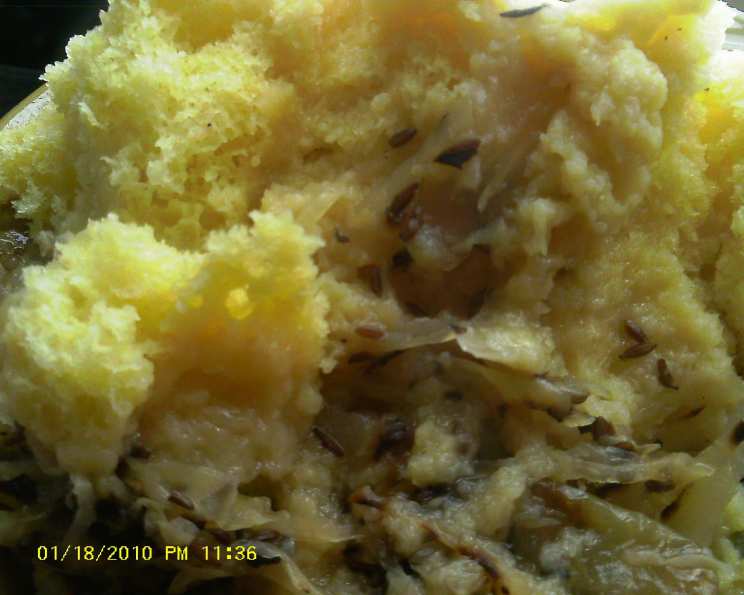
Knedlicky Zeli: A Comforting Taste of Bohemia
There’s a certain magic that unfolds in the kitchen when the air fills with the slightly tangy aroma of sauerkraut and the comforting scent of freshly made dumplings. For me, this dish, Knedlicky Zeli, isn’t just a meal; it’s a portal back to my grandmother’s cozy kitchen, a place where simple ingredients were transformed into soul-warming feasts. I remember being a small child, peeking over the counter as she’d carefully drop little mounds of dough onto the simmering kraut, a patient smile on her face. The bubbling pot, the steam rising, and the anticipation of that first, pillowy bite – it’s a sensory memory etched deeply into my culinary DNA. This is a dish that speaks of resilience, of making something utterly delicious and satisfying from humble beginnings, a true testament to the heart of Czech cooking.
Recipe Overview
- Prep Time: 20 minutes
- Cook Time: 25 minutes
- Total Time: 45 minutes
- Servings: 6
- Yield: Approximately 12-15 dumplings
- Dietary Type: Vegetarian
Ingredients
For the Sauerkraut Base:
- 4 cups sauerkraut
- 1 teaspoon caraway seed
- 1 tablespoon sugar
For the Knedlicky (Dumplings):
- 2 cups all-purpose flour
- 2 tablespoons sugar
- ½ teaspoon cream of tartar
- 4 teaspoons baking powder
- ¼ teaspoon salt
- 1 large egg
- ⅔ cup milk
Equipment Needed
- A large, heavy-bottomed pot or Dutch oven with a tight-fitting lid
- A medium mixing bowl
- A whisk or fork
- A spoon or small cookie scoop for dropping dumplings
Instructions
This is a wonderfully straightforward dish, perfect for a weeknight meal or when you crave something deeply comforting. The process is quite forgiving, allowing you to focus on the joy of creation.
- Prepare the Sauerkraut Base: Begin by placing the sauerkraut, caraway seed, and sugar into your large pot or Dutch oven. Give these a gentle stir to combine.
- Add Water: Pour enough water into the pot to generously cover the sauerkraut. This ensures the sauerkraut simmers gently and doesn’t dry out.
- Bring to a Boil and Simmer: Place the pot over medium-high heat and bring the mixture to a boil. Once boiling, reduce the heat to low, cover the pot with its lid, and let it simmer gently. This simmering will continue while you prepare the dumplings, allowing the sauerkraut to soften and meld its flavors.
- Mix the Dry Dumpling Ingredients: In your medium mixing bowl, whisk together the flour, sugar, cream of tartar, baking powder, and salt. Ensure these dry ingredients are thoroughly combined for even distribution of leavening.
- Create a Well: Make a well or indentation in the center of the dry ingredients. This creates a perfect little nest for the wet ingredients.
- Add Wet Dumpling Ingredients: Drop the egg into the well you created. Then, pour in the milk.
- Stir to Mix: Using a spoon or fork, begin to stir the wet ingredients into the dry ingredients, starting from the center and gradually incorporating the flour from the sides. Continue to stir until just combined into a thick, shaggy dough. Be careful not to overmix; a few lumps are perfectly fine. Overmixing can lead to tough dumplings.
- Drop the Dumplings: Check on your simmering sauerkraut. It should be gently bubbling. Using a spoon (or a small cookie scoop for more uniform dumplings), drop spoonfuls of the dumpling dough directly onto the surface of the simmering sauerkraut. Aim for dumplings about the size of a small egg. They will expand as they cook, so don’t overcrowd the pot; leave a little space between each one.
- Reduce Heat and Cover: Once all the dumplings are dropped, reduce the heat to its lowest setting, ensuring the sauerkraut is still gently simmering but not boiling vigorously. Cover the pot tightly with the lid.
- Cook the Dumplings: Let the dumplings cook, covered, for 20 minutes. Do not lift the lid during this time, as the steam is crucial for cooking the dumplings evenly and making them light and fluffy.
- Serve Immediately: After 20 minutes, carefully remove the lid. The dumplings should be puffed up and cooked through. Serve immediately, scooping generous portions of the tender sauerkraut and the fluffy knedlicky onto plates.
Expert Tips & Tricks
To elevate your Knedlicky Zeli experience, consider these insights from the professional kitchen:
- Sauerkraut Quality Matters: While any sauerkraut will do, using a good quality, naturally fermented sauerkraut will lend a more complex and authentic flavor to your dish. If your sauerkraut seems excessively sour, the added sugar in the recipe will help balance it out.
- Don’t Skip the Cream of Tartar: This seemingly small ingredient plays a vital role in the dumplings’ texture. It acts as a stabilizer for the baking powder, ensuring a light and airy rise, and helps to prevent a metallic taste that can sometimes occur with just baking powder alone.
- Steam is Key: The success of these dumplings hinges on the captured steam. Ensure your pot has a tight-fitting lid. If your lid isn’t perfectly snug, you can place a clean kitchen towel over the pot before putting the lid on to create a better seal. Just be mindful of the towel’s placement so it doesn’t risk catching fire.
- Dropping Technique: For consistently sized dumplings, use two spoons. One spoon to scoop the dough, and the other to help slide it off into the pot. This also helps keep your hands clean.
- Taste and Adjust: Before serving, taste the sauerkraut. If you prefer it sweeter, a touch more sugar can be stirred in. If it’s too bland for your liking, a pinch of salt can brighten the flavors.
Serving & Storage Suggestions
Knedlicky Zeli is a complete meal on its own, but it also pairs beautifully with a simple side salad or some crusty bread for dipping. The rustic nature of the dish calls for simple presentation. Serve it directly from the pot, allowing guests to see the beautiful contrast between the tangy sauerkraut and the pale, plump dumplings.
Leftovers can be stored in an airtight container in the refrigerator for up to 2–3 days. The dumplings will likely become a bit denser upon refrigeration. To reheat, gently warm the sauerkraut and dumplings together in a pot over low heat with a splash of water, or microwave them until heated through. For a crispier texture, you could even pan-fry individual servings after reheating, though this is not traditional.
Nutritional Information
Here’s an approximate breakdown of the nutritional content per serving:
| Nutrient | Amount per Serving | % Daily Value |
|---|---|---|
| Calories | 226.7 kcal | |
| Calories from Fat | 48.4 kcal | |
| Total Fat | 5.4 g | 7% |
| Saturated Fat | 1.7 g | 9% |
| Cholesterol | 35 mg | 12% |
| Sodium | 1020 mg | 44% |
| Total Carbohydrate | 36.7 g | 13% |
| Dietary Fiber | 3.5 g | 13% |
| Sugars | 9.5 g | 19% |
| Protein | 6.7 g | 13% |
Nutritional values are estimates and can vary based on specific ingredients and portion sizes.
Variations & Substitutions
While the classic Knedlicky Zeli is a masterpiece of simplicity, feel free to explore these variations:
- Heartier Version: For a more substantial meal, you could stir in some cooked, diced smoked sausage or a vegetarian sausage into the sauerkraut before adding the dumplings.
- Herbal Infusion: A bay leaf added to the simmering sauerkraut can impart a subtle, aromatic depth. Remove it before serving.
- A Touch of Spice: If you enjoy a bit of heat, a pinch of red pepper flakes can be added to the sauerkraut base.
- Alternative Liquids: While milk is traditional for the dumplings, a non-dairy milk like unsweetened almond or soy milk can be used for a dairy-free option. The texture might vary slightly.
FAQs
Q: Can I make the dumplings ahead of time?
A: It’s best to make the dumpling dough just before you’re ready to cook them, as the baking powder loses its potency over time.
Q: My dumplings sank to the bottom. What went wrong?
A: This usually happens if the sauerkraut wasn’t simmering actively enough when the dumplings were added, or if the lid wasn’t sealed properly, allowing the steam to escape. Ensure a gentle simmer and a tight lid.
Q: How do I know if the dumplings are cooked through?
A: They should be puffed up and firm to the touch. You can also gently insert a toothpick into the center of one; it should come out clean.
Q: Is it okay to lift the lid while the dumplings are cooking?
A: It’s strongly advised not to lift the lid during the 20-minute cooking time. The trapped steam is essential for the dumplings to cook properly and become light and fluffy.
Q: Can I use fresh cabbage instead of sauerkraut?
A: While you could, it would create a very different dish. Sauerkraut provides the essential tangy flavor profile that defines Knedlicky Zeli.
Final Thoughts
This Knedlicky Zeli recipe is more than just a collection of steps; it’s an invitation to embrace a simpler, more grounding way of cooking and eating. It’s about savoring the process, from the gentle simmer of the kraut to the satisfying plop of dough. I encourage you to gather your ingredients, clear your mind, and let the aromas guide you. As you serve this dish, perhaps with a chilled Pilsner or a crisp white wine, take a moment to appreciate the comforting embrace of a truly hearty, homestyle meal. I’d love to hear about your experiences and any personal touches you add to this beloved Bohemian classic.