
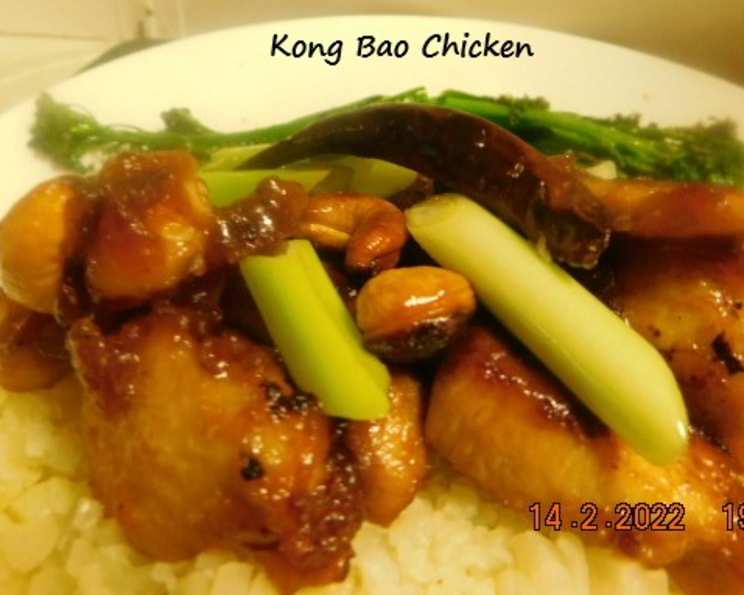
Kong Bao Chicken: A Symphony of Spice, Sweet, and Savory
I still remember the first time I tasted authentic Kong Bao Chicken. It wasn’t in a hushed, white-tablecloth restaurant, but rather in a bustling, slightly chaotic Sichuan eatery tucked away on a side street. The air was thick with the tantalizing aroma of chili and Sichuan peppercorns, and when the dish arrived, it was a vibrant masterpiece of color and texture. Each bite was an adventure: the tender chicken, the fiery kick of the dried chilies, the satisfying crunch of peanuts, and that signature sweet-and-savory sauce that clung to everything. It was a revelation, a dish that embodied the bold and complex flavors of Sichuan cuisine. That experience ignited a passion for recreating this iconic dish at home, a journey filled with experimentation and a deep appreciation for the balance of its ingredients.
Recipe Overview
- Prep Time: 15 minutes
- Cook Time: 15 minutes
- Total Time: 30 minutes
- Servings: 4
- Yield: 4 servings
- Dietary Type: Not specified (contains chicken and soy sauce)
Ingredients
This recipe artfully balances rich flavors, so precise measurements are key to achieving that classic Kong Bao profile.
For the Marinade:
- 1/4 cup cornstarch
- 3 tablespoons rice wine (Shaoxing wine is ideal for its depth of flavor)
- 2 tablespoons soy sauce (light soy sauce is preferred for its saltiness without adding too much color)
- 1/2 lb chicken breast, skinless, boneless, cut into 1-inch pieces
- 3 tablespoons vegetable oil, divided (plus more if needed)
For the Stir-fry:
- 2 cloves garlic, minced
- 2 teaspoons fresh gingerroot, finely chopped
- 6 dried hot red chili peppers (adjust to your spice preference, removing seeds will reduce heat)
For the Kung Bao Sauce:
- 1/4 cup rice wine
- 1/4 cup soy sauce
- 1/4 cup cornstarch
- 1/4 cup white sugar
- 2 tablespoons water
- 2 tablespoons vinegar (rice vinegar or distilled white vinegar works well)
- 2 teaspoons sesame oil (toasted is best for its aromatic quality)
- 1/2 cup peanuts (roasted, unsalted are ideal)
- 4 green onions, cut into 1-inch pieces
Equipment Needed
- Large skillet or wok
- Medium-sized mixing bowls (at least two)
- Whisk
- Slotted spoon
- Measuring cups and spoons
Instructions
Mastering Kong Bao Chicken is all about timing and a quick, high-heat stir-fry. Follow these steps closely for a truly authentic result.
-
Marinate the Chicken: In a medium bowl, whisk together the 1/4 cup cornstarch, 3 tablespoons rice wine, and 2 tablespoons soy sauce. Add the 1-inch pieces of chicken breast to this marinade and stir gently to ensure each piece is thoroughly coated. Allow the chicken to marinate for at least 15 minutes at room temperature while you prepare the other ingredients. This marinating step is crucial for tenderizing the chicken and creating a flavorful coating.
-
Sear the Chicken: Heat 2 tablespoons of vegetable oil in a large skillet or wok over medium-high heat until it shimmers. Carefully add the marinated chicken to the hot oil, spreading it out in a single layer as much as possible. Cook and stir the chicken until it is completely browned on all sides. This usually takes about 3 to 5 minutes. Using a slotted spoon, remove the browned chicken from the skillet and set it aside in a bowl, making sure to retain the oil and drippings left in the skillet.
-
Infuse Aromatics: Reduce the heat to medium. Pour the remaining 1 tablespoon of vegetable oil into the same skillet. Let this oil get hot before adding the minced garlic, finely chopped gingerroot, and the dried hot red chili peppers. Cook and stir these aromatics until they become fragrant, which should take approximately 1 minute. Be careful not to burn the garlic and ginger. Return the seared chicken to the skillet with the fragrant aromatics. Cook and stir the chicken and aromatics together until the chicken is nearly cooked through, which will take another 3 to 5 minutes.
-
Create the Sauce and Finish: While the chicken is cooking in step 3, prepare the Kung Bao sauce. In a separate medium bowl, whisk together the 1/4 cup rice wine, 1/4 cup soy sauce, 1/4 cup cornstarch, 1/4 cup white sugar, 2 tablespoons water, 2 tablespoons vinegar, and 2 teaspoons toasted sesame oil. Whisk until the cornstarch is fully dissolved and there are no lumps. Once the chicken is almost cooked through, pour this prepared sauce mixture over the chicken in the skillet. Cook and stir continuously until the sauce begins to bubble and thicken, which will take about 3 to 5 minutes. Finally, add the 1/2 cup roasted peanuts and the 1-inch pieces of green onion to the skillet. Cook and stir for 1 minute more, allowing the peanuts to heat through and the green onions to slightly soften, ensuring everything is well coated in the glossy sauce.
Expert Tips & Tricks
To elevate your Kong Bao Chicken from good to truly exceptional, consider these seasoned insights:
- The Wok Hei Factor: If you have a powerful stovetop or a good quality wok, don’t be afraid to crank up the heat. The smoky “wok hei” (breath of the wok) is a characteristic of great stir-fries and can be achieved with high heat and quick movements. Ensure your ingredients are prepped and ready to go before you start cooking to maximize this effect.
- Peanut Perfection: For the best texture and flavor, use roasted, unsalted peanuts. If you only have raw peanuts, you can toast them yourself in a dry skillet over medium heat until fragrant and lightly browned. Add them towards the very end of cooking to maintain their satisfying crunch.
- Spice Level Control: The dried red chilies are a signature of Kong Bao. For a milder dish, remove the seeds before adding them to the skillet. For a spicier kick, leave the seeds in or even add a pinch of red pepper flakes along with the chilies.
- Cornstarch Slurry for Thickness: The cornstarch in both the marinade and the sauce is essential. The marinade creates a lovely, tender coating on the chicken, and the cornstarch in the sauce is what gives it that signature glossy, slightly thickened consistency that clings beautifully to every ingredient. Ensure it’s whisked thoroughly to avoid lumps.
Serving & Storage Suggestions
Kong Bao Chicken is a dish best served immediately, allowing you to enjoy the vibrant flavors and textures at their peak. It’s traditionally served piping hot over fluffy steamed white rice, which acts as a perfect canvas to soak up the delectable sauce. For an elegant presentation, garnish with a few extra toasted peanuts and thinly sliced green onions.
Leftovers can be stored in an airtight container in the refrigerator for up to 2-3 days. While the flavors will meld and deepen, the texture of the peanuts may soften. Reheat gently on the stovetop over low heat, or in the microwave until heated through. If the sauce has thickened considerably, you can add a tablespoon of water or rice wine to loosen it up before reheating.
Nutritional Information
| Nutrient | Amount per Serving | % Daily Value |
|---|---|---|
| Calories | 482.4 kcal | |
| Calories from Fat | 241 g | |
| Total Fat | 26.8 g | 41% |
| Saturated Fat | 4.4 g | 22% |
| Cholesterol | 36.3 mg | 12% |
| Sodium | 1553.2 mg | 64% |
| Total Carbohydrate | 35.1 g | 11% |
| Dietary Fiber | 2.6 g | 10% |
| Sugars | 14.3 g | 57% |
| Protein | 20 g | 40% |
Nutritional values are estimates and can vary based on specific ingredients and preparation methods.
Variations & Substitutions
While this recipe is classic, feel free to explore variations to suit your palate and pantry:
- Vegetarian/Vegan Option: Replace the chicken with firm or extra-firm tofu, pressed and cubed. For a vegan version, ensure your rice wine is vegan-friendly and consider using tamari instead of soy sauce if you need a gluten-free option.
- Nut-Free: If you have a nut allergy, you can substitute the peanuts with toasted sunflower seeds or toasted cashews for a similar crunch.
- Vegetable Additions: Feel free to add other quick-cooking vegetables like bell peppers (sliced), snap peas, or broccoli florets. Add them during step 3, after the aromatics have fragranced the oil, and stir-fry them until crisp-tender before returning the chicken.
- Spice Adjustments: For a milder heat, use fewer dried chilies or opt for Korean red pepper flakes which are generally less spicy than Chinese varieties. For more heat, consider adding a touch of chili paste like Sriracha or chili garlic sauce to the sauce mixture.
FAQs
Q: What is the key to authentic Kong Bao Chicken flavor?
A: The signature flavor comes from the perfect balance of spicy (dried chilies), sweet (sugar), savory (soy sauce), and aromatic (ginger, garlic, Sichuan peppercorns – though not explicitly in this version, they are often included in more traditional recipes) elements, all brought together by a glossy, slightly thickened sauce.
Q: Can I use chicken thighs instead of chicken breast?
A: Absolutely! Chicken thighs are often more forgiving in stir-fries and can yield a juicier result. If using thighs, ensure they are deboned and skinless, and cut into similar 1-inch pieces. The cooking time might be slightly longer to ensure they are cooked through.
Q: How do I prevent the chicken from becoming tough?
A: The marinade with cornstarch and rice wine is crucial for tenderizing the chicken. Also, avoid overcrowding the skillet when searing the chicken, as this can lead to steaming rather than searing, resulting in a tougher texture. Cook in batches if necessary.
Q: What is rice wine and what can I substitute it with?
A: Rice wine, particularly Shaoxing wine, is a staple in Chinese cooking, adding a unique depth of flavor. If unavailable, you can substitute it with dry sherry or even a good quality chicken broth with a splash of rice vinegar for acidity.
Q: Can I make the sauce ahead of time?
A: Yes, you can whisk together the sauce ingredients (except for the peanuts and green onions) and store it in the refrigerator. Whisk it again before adding it to the stir-fry as the cornstarch may settle.
Final Thoughts
Kong Bao Chicken is more than just a dish; it’s an experience. It’s a testament to the power of simple ingredients transformed through skillful technique and a harmonious blend of flavors. I encourage you to try this recipe, to embrace the sizzle of the wok, the aroma of ginger and garlic, and the satisfying dance of sweet, savory, and spicy on your palate. Serve it with a side of steamed jasmine rice, perhaps a light and refreshing cucumber salad, and prepare for a culinary journey that will leave you craving more. Share your creations and your own Kong Bao stories – that’s the joy of cooking!