
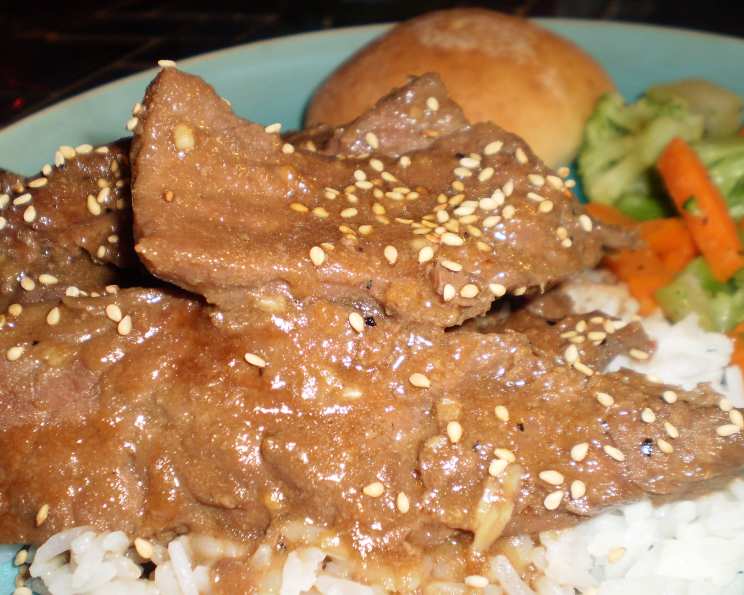
Korean Beef Bulgogi Lettuce Wraps: A Taste of Tradition
There are some dishes that instantly transport you back in time, and for me, Korean Bulgogi in lettuce wraps is one of them. I vividly remember my first experience with this culinary marvel. It was a crisp autumn evening, and the aroma of sweet, savory, and slightly smoky marinated beef wafted from my aunt’s kitchen. We gathered around a low table, a communal feast unfolding before us. The simplicity of taking a crisp lettuce leaf, adding a morsel of glistening bulgogi, a sprinkle of toasted sesame seeds, and a dollop of fiery red pepper paste, then rolling it all into a perfect bite, was pure magic. It’s more than just a meal; it’s an invitation to connect, to share, and to savor each delicious, hands-on moment.
Recipe Overview
- Prep Time: 15 minutes
- Marination Time: 2-12 hours
- Cook Time: 6-8 minutes
- Total Time: 2 hours 15 minutes to 12 hours 15 minutes (includes marinating)
- Servings: 6-8
- Yield: N/A (main dish)
- Dietary Type: Dairy-Free (can be Gluten-Free with GF soy sauce)
Ingredients
For the Bulgogi Marinade:
- 5 tablespoons soy sauce
- 5 tablespoons water
- 5 tablespoons sugar
- 1/4 cup onion, peeled and pureed
- 5 garlic cloves, minced
- 1 tablespoon corn syrup
- 2 teaspoons white wine (or rice wine) OR 2 teaspoons mirin (rice wine)
- 1 tablespoon sesame oil
- 1/2 teaspoon black pepper
For the Bulgogi:
- 2 1/2 lbs flank steaks (or other steak such as marinating beef, rib eye, etc.)
For Serving:
- 1 head iceberg lettuce (or other leaf lettuce)
- Toasted sesame seeds
- Roasted whole garlic cloves (optional, for serving)
- Red pepper paste or hot sauce (optional, for serving)
Equipment Needed
- Large non-stick skillet or wok
- Resealable ziplock bags (for marinating)
- Blender or food processor (for pureeing onion)
- Small bowl (for mixing marinade)
Instructions
-
Prepare the Marinade: In a small bowl, combine the first nine ingredients: soy sauce, water, sugar, pureed onion, minced garlic cloves, corn syrup, white wine (or mirin), sesame oil, and black pepper. Whisk until the sugar is dissolved.
-
Slice the Beef: Take your flank steaks and slice them across the grain into thin slices. Aim for slices that are about 1/8 to 1/4 inch thick. This is crucial for tender bulgogi.
-
Marinate the Beef: Place the sliced beef into a resealable ziplock bag. Pour the prepared soy mixture over the beef, ensuring all the slices are well coated. Seal the bag, removing as much air as possible. Place the bag in the refrigerator and let it marinate for 2 to 12 hours. It’s a good idea to turn the bag occasionally to ensure even marination.
-
Cook the Bulgogi: When you are ready to cook, heat a large non-stick skillet or wok over medium-high to high heat. Once the pan is hot, pour the marinated beef and its marinade into the skillet.
-
Stir-Fry to Perfection: Cook the beef, stirring frequently, until the mixture is almost dry. This should take approximately 6 to 8 minutes. The high heat will quickly sear the beef and reduce the marinade, concentrating its flavors.
-
Toast Sesame Seeds and Garlic: While the bulgogi is cooking, or just before serving, you can toast sesame seeds and garlic cloves in a hot pan. This adds an extra layer of nutty depth and a delightful aroma.
-
Serve the Feast: Present the cooked bulgogi hot. Arrange iceberg lettuce leaves on a platter. Serve the bulgogi alongside the lettuce, along with toasted sesame seeds, and optional roasted whole garlic cloves and red pepper paste or hot sauce for those who enjoy a little extra heat.
-
Assemble and Enjoy: To eat, take a crisp lettuce leaf. Place a portion of the bulgogi onto the leaf. Add your desired accompaniments – a sprinkle of toasted sesame seeds, perhaps a touch of red pepper paste. Then, roll the beef and condiments up in the lettuce leaf and enjoy it as a complete, hand-held bite, much like a delicate roll. It is also wonderful served with white rice.
Expert Tips & Tricks
For the most tender bulgogi, don’t skip slicing the beef against the grain. This breaks down the tough connective tissues, making each bite melt-in-your-mouth tender. If you’re short on time but still want that deep flavor infusion, marinating for at least 2 hours will yield good results, though the longer you marinate, the more the flavors will penetrate. When cooking in the skillet, avoid overcrowding it. Cook in batches if necessary to ensure the beef sears beautifully rather than steaming. This ensures that lovely caramelization that is so characteristic of good bulgogi.
Serving & Storage Suggestions
These bulgogi lettuce wraps are best served immediately after cooking, while the beef is still warm and the lettuce is crisp. They are a fantastic centerpiece for a casual family dinner or a fun gathering with friends. If you have any leftover cooked bulgogi, allow it to cool completely before storing it in an airtight container in the refrigerator for up to 2-3 days. Reheat gently in a skillet over medium-low heat, adding a splash of water or a bit more soy sauce if needed to moisten. The uncooked marinated beef can be stored in the refrigerator for up to 12 hours.
Nutritional Information
| Nutrient | Amount per Serving | % Daily Value |
|---|---|---|
| Calories | 410.7 kcal | |
| Calories from Fat | ||
| Total Fat | 18.1 g | 27% |
| Saturated Fat | 6.8 g | 34% |
| Cholesterol | 128.5 mg | 42% |
| Sodium | 950.2 mg | 39% |
| Total Carbohydrate | 17.9 g | 5% |
| Dietary Fiber | 1.4 g | 5% |
| Sugars | 13.7 g | 54% |
| Protein | 42.7 g | 85% |
Note: Nutritional information is an estimate and can vary based on specific ingredients and portion sizes.
Variations & Substitutions
For a gluten-free version, substitute the soy sauce with a gluten-free tamari or coconut aminos. If you prefer a sweeter marinade, you can slightly increase the sugar or add a touch more corn syrup. For a spicier kick directly in the marinade, a teaspoon of gochugaru (Korean chili flakes) can be added. While flank steak is traditional and recommended, other thinly sliced lean beef cuts like sirloin or even tenderloin will work beautifully, though they might be more expensive.
FAQs
Q: What is the best way to slice beef for bulgogi?
A: For tender bulgogi, it’s crucial to slice the beef thinly against the grain. Partially freezing the beef for about 30 minutes before slicing can make this process much easier.
Q: How long should the beef marinate?
A: The beef can marinate for anywhere from 2 to 12 hours in the refrigerator. Longer marination periods will result in a deeper flavor penetration.
Q: Can I make the bulgogi ahead of time?
A: Yes, you can marinate the beef ahead of time and cook it just before serving. The cooked bulgogi can be stored in the refrigerator for 2-3 days and reheated.
Q: What kind of lettuce is best for the wraps?
A: Iceberg lettuce is a classic choice due to its crisp texture and ability to hold the fillings. However, you can also use other crisp lettuces like butter lettuce or romaine hearts for variation.
Q: Can I make bulgogi without a wok?
A: Absolutely! A large, heavy-bottomed skillet works just as well. Ensure it’s hot before adding the beef to achieve a good sear.
Final Thoughts
Korean Beef Bulgogi in lettuce wraps is a dish that truly embodies the spirit of communal dining and vibrant flavors. It’s an approachable yet deeply satisfying meal that’s perfect for both weeknights and special occasions. The interactive nature of building your own wraps makes it an engaging experience for all ages, turning mealtime into a fun culinary adventure. So gather your loved ones, prepare this simple yet exquisite marinade, and get ready to create some delicious memories around the table. You might even find yourself spooning any extra, flavorful marinade over some steamed white rice – it’s that good!