
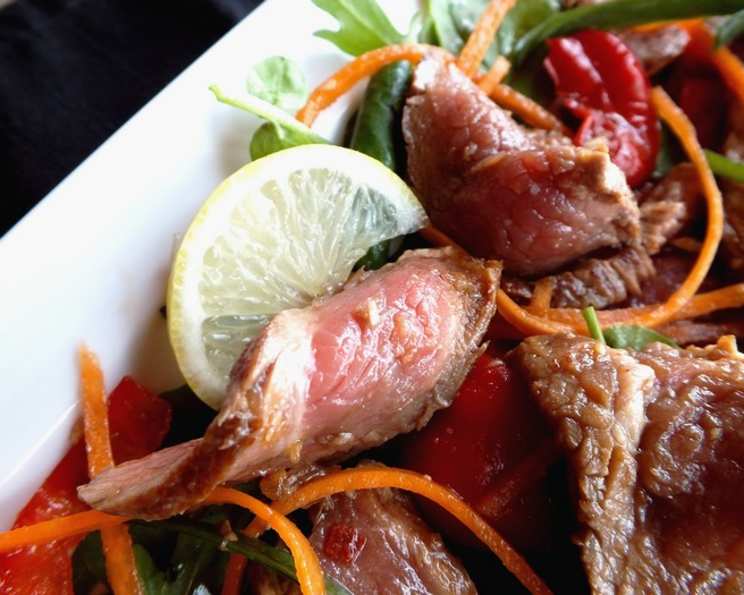
Korean Beef Salad: A Refreshing Symphony of Flavors
There are some dishes that, after years of cooking and tasting, still manage to surprise and delight me. This Korean Beef Salad is one of them. I first encountered a version of it about fifteen years ago, tucked away in the pages of a Sunset magazine. It became a bit of a culinary ghost, appearing and disappearing from my recipe binders over the years, but its vibrant flavors always lingered in my memory. The beauty of this salad lies in its simplicity and the fact that it requires absolutely no cooking, making it a lifesaver on a hot summer day or when you’re simply craving something incredibly fresh and satisfying without the fuss. It’s a dish that proves you don’t need a stove to create something truly memorable.
Recipe Overview
- Prep Time: 20 minutes
- Cook Time: 0 minutes (Marinating time is separate)
- Total Time: 20 minutes (Plus marinating time)
- Servings: 4
- Yield: 4 servings
- Dietary Type: Adaptable (ensure soy sauce is gluten-free for GF)
Ingredients
This recipe is wonderfully adaptable, and the dressing is the true star, infusing the beef and vegetables with a delightful Korean-inspired zest.
- For the Dressing and Marinade:
- 2 tablespoons soy sauce (use tamari for gluten-free)
- 1 tablespoon oyster sauce
- 1 tablespoon rice wine vinegar
- 1 teaspoon sake (or dry sherry if unavailable)
- 1 ½ teaspoons sugar
- 1 teaspoon sesame oil
- 1 teaspoon crushed garlic (about 2 cloves, minced)
- For the Salad:
- 1 lb roast beef, thin-sliced then shredded, from the deli (see Chef’s Notes for alternatives)
- 1 small head iceberg lettuce, shredded
- 1 cup thinly sliced celery
- 1 cup shredded carrot
- 1 cup cilantro leaf, rough chopped
Equipment Needed
- A large mixing bowl
- A small bowl or jar for the dressing
- A whisk or fork for mixing the dressing
- A sharp knife and cutting board for preparing vegetables
- Measuring spoons and cups
Instructions
The magic of this Korean Beef Salad lies in its effortless assembly. The key is to allow the dressing to do its work, marinating the beef to tender perfection.
- Prepare the Marinade: In a large mixing bowl, combine the soy sauce, oyster sauce, rice wine vinegar, sake, sugar, sesame oil, and crushed garlic. Whisk or stir vigorously with a fork until the sugar is completely dissolved. This is the foundation of our flavorful marinade.
- Marinate the Beef: Add the shredded roast beef to the bowl with the prepared marinade. Toss gently to ensure every strand of beef is well-coated. Cover the bowl and let it marinate. While the recipe suggests up to four hours, even an hour will impart a lovely flavor. I’ve found that about an hour is often sufficient to achieve a delicious result.
- Assemble the Salad: Just before serving, add the shredded iceberg lettuce, thinly sliced celery, shredded carrot, and roughly chopped cilantro leaf to the bowl with the marinated beef.
- Toss and Serve: Gently toss all the ingredients together until everything is evenly distributed and the vegetables are lightly coated in the flavorful marinade. This is best done just before serving to maintain the crispness of the vegetables.
Expert Tips & Tricks
- Beef Selection: While deli roast beef is convenient and works beautifully, don’t hesitate to use leftover cooked steak or roast. Ensure it’s thinly sliced against the grain and then shredded for the best texture. Flank steak or sirloin are excellent choices if you’re cooking beef specifically for this salad.
- Vegetable Versatility: The beauty of this salad is its adaptability. Feel free to experiment with other crisp vegetables. Thinly sliced cucumbers, bell peppers (any color), halved cherry tomatoes, or even blanched bean sprouts can add wonderful texture and flavor.
- Marinating Time: The marinade is forgiving. You can marinate the beef for as little as 30 minutes for a subtle flavor infusion or up to 4 hours for a more intense taste. Avoid marinating for much longer than 4 hours, as the acidity in the vinegar can start to break down the beef’s texture too much, making it mushy.
- Serving Temperature: This salad is most refreshing served chilled or at room temperature. If your marinated beef has been in the refrigerator for a longer period, allow it to come to room temperature for about 15-20 minutes before tossing with the vegetables for optimal flavor and texture.
Serving & Storage Suggestions
This Korean Beef Salad is a standalone meal, vibrant and satisfying on its own. For a more complete meal, consider serving it alongside steamed rice or some light, savory pancakes. A squeeze of fresh lime juice just before serving adds an extra bright note that really lifts the flavors.
Leftovers can be stored in an airtight container in the refrigerator for up to 1-2 days. However, the vegetables will soften over time, so it’s best enjoyed fresh. If storing leftovers, it’s ideal to keep the dressing separate from the salad ingredients and toss them together just before eating. This helps maintain the crispness of the vegetables and the texture of the beef.
Nutritional Information
This is an approximate nutritional breakdown per serving, assuming 4 servings and standard ingredients. Actual values may vary based on specific brands and ingredient choices.
| Nutrient | Amount per Serving | % Daily Value |
|---|---|---|
| Calories | 250 kcal | 13% |
| Total Fat | 11g | 14% |
| Saturated Fat | 4g | 20% |
| Cholesterol | 89mg | 30% |
| Sodium | 730mg | 32% |
| Total Carbohydrate | 7g | 3% |
| Dietary Fiber | 2g | 7% |
| Sugars | 4g | 8% |
| Protein | 32g | 64% |
(Note: % Daily Value based on a 2,000 calorie diet.)
Variations & Substitutions
The beauty of this Korean Beef Salad is its inherent flexibility. While the core ingredients deliver a fantastic flavor profile, feel free to personalize it to your taste.
- Spicy Kick: For those who enjoy a bit of heat, add a teaspoon or two of gochujang (Korean chili paste) to the marinade, or a pinch of red pepper flakes.
- Nutty Crunch: Toasted sesame seeds or chopped peanuts can add a delightful crunch and nutty depth.
- Herbal Twist: While cilantro is traditional, fresh mint or chopped chives can offer a different but equally refreshing herbal note.
- Vegetarian Option: For a vegetarian or vegan version, substitute the roast beef with firm tofu, pan-fried until golden and then marinated, or use shredded shiitake mushrooms sautéed until tender. Ensure your soy sauce and oyster sauce (if using a vegan substitute like mushroom stir-fry sauce) are vegan-friendly.
FAQs
Q: Can I make this salad ahead of time?
A: You can prepare the marinade and marinate the beef ahead of time. It’s best to chop and prepare the vegetables just before serving, and then toss everything together right before you plan to eat for maximum freshness.
Q: What kind of roast beef is best?
A: Thinly sliced deli roast beef works exceptionally well because it’s already tender and easy to shred. Leftover cooked steak or roast beef, thinly sliced against the grain, is also a fantastic option.
Q: Is it possible to make this gluten-free?
A: Yes, absolutely! Simply substitute the soy sauce with a gluten-free tamari.
Q: How long can I marinate the beef?
A: You can marinate the beef for up to four hours. For a lighter flavor, an hour is perfectly sufficient.
Q: What if I don’t have sake?
A: A dry sherry or even a splash of rice wine vinegar can be used as a substitute for sake in the marinade.
Final Thoughts
This Korean Beef Salad is more than just a recipe; it’s an invitation to embrace fresh, vibrant flavors with minimal effort. It’s a testament to how simple ingredients, thoughtfully combined, can create a dish that is both incredibly satisfying and wonderfully light. I encourage you to try it, play with the vegetables, and discover your own favorite version. It’s a dish that’s perfect for a quick weeknight meal, a light lunch, or even as a colorful addition to a potluck. I’d love to hear your culinary adventures with this salad!