
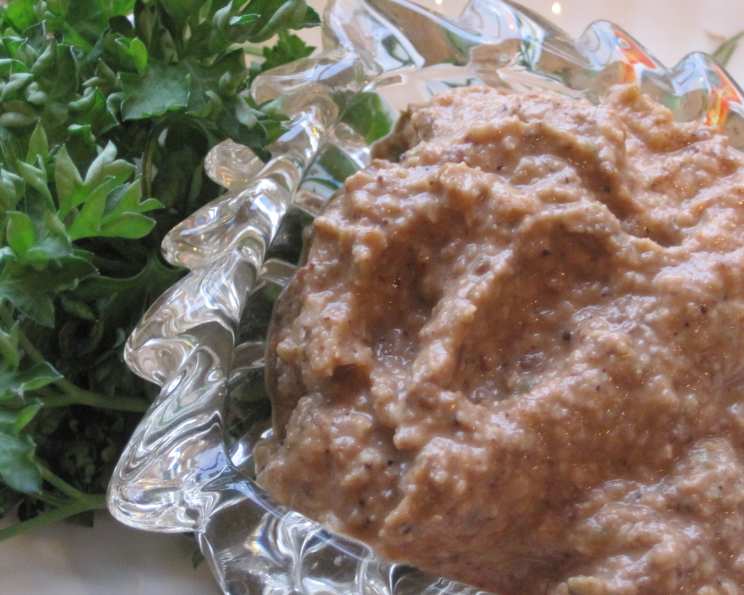
The Heart of a Korma: Crafting Your Own Aromatic Paste
I remember the first time I truly understood the magic of a korma. It wasn’t just about the creamy sauce or the tender chunks of meat; it was about the depth of flavor, the subtle dance of spices that hinted at distant lands and generations of culinary wisdom. My grandmother, a formidable cook whose kitchen was always filled with intoxicating aromas, would often prepare korma for special occasions. The scent of toasted spices wafting from her pan was an invitation to a feast, a promise of comfort and exquisite taste. Making the korma paste from scratch was her secret, a ritual she guarded closely, believing it was the soul of the dish. While I’ve since learned many variations, that foundational paste, rich with warmth and fragrance, remains etched in my memory as the epitome of homemade goodness.
Recipe Overview
Here’s a quick look at what you’ll need to make this incredible korma paste:
- Prep Time: 12 minutes
- Cook Time: 12 minutes (for toasting spices)
- Total Time: 24 minutes
- Servings: 4-6 (as a base for curries)
- Yield: 1 cup
- Dietary Type: Vegan, Gluten-Free (when used with appropriate curries)
Ingredients
This korma paste is a symphony of aromatic spices and fresh ingredients, designed to build a foundation of unparalleled flavor for your curries.
- 2 teaspoons cumin seeds
- 1 teaspoon coriander seed
- 2 garlic cloves, peeled and sliced
- 4 cm piece ginger, peeled and finely grated
- ½ teaspoon cayenne pepper
- 1 teaspoon garam masala
- ½ teaspoon sea salt
- 2 tablespoons grapeseed oil (or other neutral oil)
- 1 tablespoon tomato puree
- 2 green chilies, seeded and finely sliced (adjust to your spice preference)
- 3 tablespoons desiccated coconut
- 2 tablespoons ground almonds
- 1 small bunch fresh coriander (cilantro), stalks and leaves chopped
Equipment Needed
To bring this korma paste to life, you’ll need a few essential kitchen tools:
- A small, dry frying pan
- A food processor or a mortar and pestle
- Measuring spoons and cups
Instructions
Crafting this korma paste is a straightforward process that yields remarkable results. The key lies in toasting the whole spices to unlock their full aromatic potential before combining them with the other ingredients.
-
Begin by placing the cumin seeds and coriander seed in a small, dry frying pan. Toast them over medium heat, stirring frequently, until they start to change color slightly and release a wonderful, aromatic smell. This usually takes about 2-3 minutes. Remove them from the heat immediately to prevent burning, and set them aside.
-
Next, it’s time to bring together all the ingredients for the paste. Place the toasted cumin seeds, toasted coriander seed, sliced garlic cloves, grated ginger, cayenne pepper, garam masala, and sea salt into your food processor. If you don’t have a food processor, a mortar and pestle works beautifully for achieving a more rustic texture.
-
Add the grapeseed oil, tomato puree, sliced green chilies, desiccated coconut, and ground almonds to the food processor.
-
Finally, add the chopped fresh coriander, including both the stalks and leaves. The stalks are packed with flavor and contribute to the paste’s richness.
-
Process or grind all the ingredients until you achieve your desired paste consistency. For a smoother, more refined paste, process for a longer duration. If you prefer a slightly coarser texture, pulse the ingredients a few times until just combined.
Expert Tips & Tricks
To elevate your korma paste and ensure the best possible flavor and texture, keep these culinary secrets in mind:
- Toasting is Crucial: Don’t skip the step of dry-frying the cumin and coriander seeds. This process awakens their essential oils, transforming their aroma from subtle to intoxicating. Watch them closely, as they can burn quickly.
- Freshness Matters: Using fresh ginger and garlic is paramount. Pre-minced or powdered versions simply won’t deliver the vibrant punch needed in this paste.
- Spice Level Adjustment: The green chilies are your primary source of heat. If you prefer a milder korma, remove all the seeds and membranes. For a spicier kick, you can leave some seeds in or even add a small sliver of a hotter chili variety.
- Texture Control: The choice between a food processor and a mortar and pestle will significantly impact the final texture. A mortar and pestle will give you a more traditional, slightly chunkier paste, while a food processor will yield a smoother, more homogenous blend. Both are delicious!
- Batch Cooking: This paste freezes beautifully. If you find yourself with an abundance of fresh coriander or extra time, make a double batch and freeze portions for future meals.
Serving & Storage Suggestions
This vibrant korma paste is incredibly versatile. It forms the aromatic heart of countless Indian dishes, from chicken and lamb curries to vegetable stews and even can be used to add depth to a lentil soup.
Once made, store your korma paste in an airtight container in the refrigerator for up to 5 days. For longer storage, transfer it to a freezer-safe container or an ice cube tray. Once frozen, you can transfer the cubes to a freezer bag for up to 3 months. Thaw frozen paste in the refrigerator overnight or gently reheat it in a saucepan over low heat.
When using the paste in a curry, you’ll typically sauté it in a pan with a little oil until fragrant, then add your main ingredients and liquid.
Nutritional Information
Here’s an approximate nutritional breakdown for 1/4 cup of the korma paste, which is a typical serving size when used as a base for a curry. Please note that this is an estimation and can vary based on the exact size of your ingredients and brand choices.
| Nutrient | Amount per Serving | % Daily Value |
|---|---|---|
| Calories | 447.1 kcal | – |
| Calories from Fat | – | 79 % |
| Total Fat | 39.1 g | 60 % |
| Saturated Fat | 7.1 g | 35 % |
| Cholesterol | 0 mg | 0 % |
| Sodium | 1217.3 mg | 50 % |
| Total Carbohydrate | 24 g | 8 % |
| Dietary Fiber | 5.2 g | 20 % |
| Sugars | 12 g | 48 % |
| Protein | 6.4 g | 12 % |
Variations & Substitutions
While this recipe is a classic, don’t be afraid to experiment and make it your own:
- Nut-Free: If you have nut allergies, simply omit the ground almonds. The paste will still be delicious, though slightly less rich.
- Creamier Texture: For an even richer and creamier paste, consider adding a tablespoon of full-fat plain yogurt or coconut cream to the food processor, especially if you are planning to use it immediately rather than for long-term storage.
- Aromatic Boost: A pinch of ground cardamom or a few whole cloves, toasted with the cumin and coriander, can add another layer of complexity.
- Extra Tang: A small squeeze of fresh lime juice added at the end can brighten the flavors.
FAQs
Q: What kind of dishes can I use this korma paste in?
A: This paste is incredibly versatile and serves as a fantastic base for a wide range of Indian curries, including chicken korma, lamb korma, vegetable korma, and even as a flavor enhancer for lentil dals or rice dishes.
Q: Can I use pre-ground spices instead of whole spices?
A: While you can, using whole spices that you toast and grind yourself will yield a far superior flavor. The oils in pre-ground spices can become stale over time.
Q: How spicy will this paste be?
A: The spice level depends on the green chilies you use. For a mild paste, remove all seeds and membranes. For more heat, leave some seeds in or use hotter chilies. You can always adjust the heat in the final curry by adding more chilies or a pinch of cayenne pepper.
Q: How long does the paste last in the refrigerator?
A: Properly stored in an airtight container, this korma paste will remain fresh in the refrigerator for up to 5 days.
Q: Can I make this paste ahead of time for a party?
A: Absolutely! This paste is an excellent make-ahead component for entertaining. Prepare it a day or two in advance and store it in the refrigerator, or freeze it in portions for even longer storage.
Final Thoughts
There’s a profound satisfaction that comes from creating something so flavorful and aromatic from scratch. This korma paste isn’t just an ingredient; it’s an invitation to embark on a culinary journey, to fill your home with the comforting scents of toasted spices, and to create meals that are truly special. Whether you’re a seasoned cook or just beginning to explore the world of Indian cuisine, I encourage you to try making this paste. The depth of flavor it imparts to your dishes will undoubtedly impress, and the process itself is a rewarding ritual. Serve your korma creations with fluffy basmati rice, warm naan bread, and perhaps a cooling raita for a complete and utterly delightful experience. Enjoy every aromatic spoonful!