
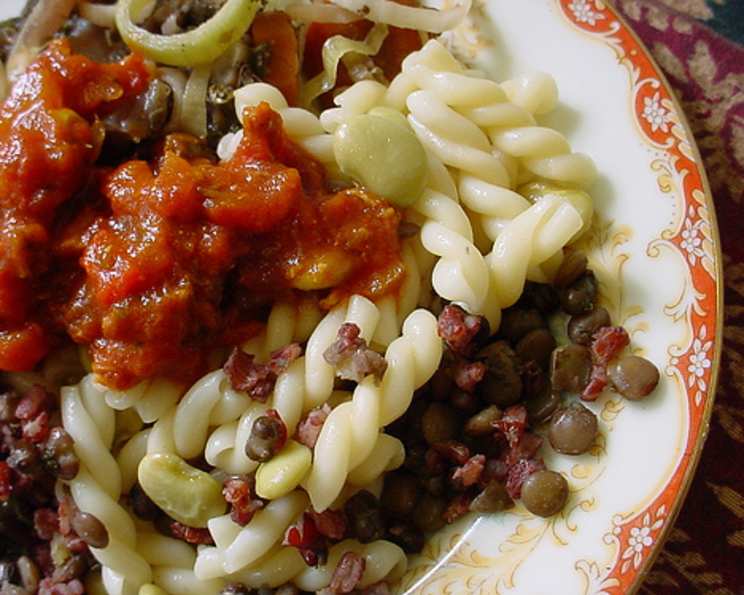
Koshari: A Taste of Egypt’s Soulful Street Food
My first encounter with Koshari wasn’t in a bustling Cairo market, but in a small, unassuming kitchen in London, a world away from its Egyptian homeland. A friend, whose family hailed from the land of the Pharaohs, had been raving about it for weeks, describing it as a symphony of textures and flavors, a humble yet utterly satisfying dish that was the very essence of comfort food. When I finally tasted it, I understood. The complex layers – the tender lentils, the fluffy rice, the al dente pasta, the sharp tang of the tomato sauce, and the pungent kick of the fried onions and vinegar – all coalesced into something truly magical. It was a revelation, a testament to how simple ingredients, prepared with care and tradition, can create an unforgettable culinary experience.
Recipe Overview
- Prep Time: Approximately 15 minutes
- Cook Time: Approximately 30 minutes
- Total Time: Approximately 45 minutes
- Servings: 4
- Yield: N/A (serves 4)
- Dietary Type: Vegan, Vegetarian, Dairy-Free, Nut-Free
Ingredients
To create this iconic Egyptian dish, you’ll need a collection of pantry staples that, when brought together, create something extraordinary. Here’s what you’ll need:
- 1 cup small shell pasta (any kind will work, but ditalini or other small shapes are traditional)
- 1 cup rice (Middle Eastern or medium-grain rice is ideal for its texture)
- 1 cup brown lentils
- 1 medium onion, finely diced
- 2 cloves garlic, minced
- 1 (14.5 ounce) can chopped tomatoes
- 1/3 teaspoon crushed red chili pepper (adjust to your spice preference)
Equipment Needed
While Koshari is a dish of humble origins, a few key pieces of equipment will ensure its success:
- Two medium saucepans (one for lentils and rice, one for pasta)
- A frying pan or skillet for sautéing onions and garlic
- A spoon or spatula for stirring
Instructions
The beauty of Koshari lies in its layered construction, with each component cooked separately before being brought together. It’s a process that requires a bit of multitasking, but the reward is well worth it.
-
Cook the Lentils: Begin by placing the 1 cup of brown lentils into a medium saucepan. Add 2 cups of water to the saucepan. Bring the mixture to a boil over medium-high heat. Once boiling, reduce the heat to low, cover, and simmer for approximately 15 minutes, or until the lentils are tender but still hold their shape.
-
Add the Rice to the Lentils: After the lentils have cooked for about 15 minutes, add the 1 cup of rice directly to the same saucepan with the cooked lentils and their cooking water. Stir to combine. Continue to simmer, covered, until the rice is done and has absorbed most of the liquid. This usually takes another 15-20 minutes, depending on the type of rice used. Stir occasionally to prevent sticking.
-
Cook the Pasta: While the lentils and rice are simmering, begin cooking the 1 cup of small shell pasta in a separate pot of boiling, salted water according to package directions. Once the pasta is cooked to al dente, strain it well and set it aside.
-
Prepare the Tomato Sauce Base: In a frying pan or skillet, heat a tablespoon of oil (you can use a neutral oil like vegetable or canola). Add the finely diced onion and minced garlic. Sauté over medium heat until the onions are golden brown and translucent, and the garlic is fragrant. Be careful not to burn the garlic.
-
Simmer the Sauce: To the sautéed onions and garlic, add the 1 (14.5 ounce) can of chopped tomatoes and the 1/3 teaspoon of crushed red chili pepper. Stir everything together. Bring the mixture to a simmer and continue to cook, stirring occasionally, until a sauce-like consistency is noticed. This allows the flavors to meld and the sauce to thicken slightly.
-
Combine Sauce Elements: Once the tomato sauce has reached the desired consistency, add the golden-brown onions and garlic back into the sauce (if you separated them for frying). Stir them into the tomato mixture.
-
Assemble the Koshari: To serve, place a portion of the cooked pasta on a plate. This forms the base of your Koshari.
-
Layer the Rice and Lentils: Spoon a generous amount of the rice and lentil mixture over the pasta.
-
Top with Sauce: Finally, top the rice and lentil layer with the prepared tomato sauce. Ensure a good amount of sauce covers the top.
Expert Tips & Tricks
Koshari, while simple in its ingredient list, offers opportunities for refinement that elevate it from good to truly exceptional.
- Lentil Texture: For perfectly tender lentils, avoid overcooking them to a mush. They should retain a slight bite, providing a delightful textural contrast to the rice and pasta. Rinsing your lentils before cooking can help remove any debris and also contributes to a cleaner flavor.
- Rice Perfection: Using a medium-grain rice, or a rice specifically labeled for Middle Eastern cooking, will yield the best results for Koshari. These grains tend to be slightly starchier and fluffier than long-grain varieties, creating the ideal texture when combined with lentils. Toasting the rice briefly in a touch of oil before adding the water can add an extra layer of nutty flavor and further enhance its fluffiness.
- Onion Crispness: The fried onions are a crucial element for both flavor and texture. Aim for a deep golden brown, but be vigilant to prevent them from burning, as this will impart a bitter taste. For extra crispness, you can drain the fried onions on paper towels. Some chefs even suggest a quick fry in a little cornstarch before deep frying for an even crispier result.
- Sauce Depth: The tomato sauce is where you can truly infuse your Koshari with personality. Don’t be afraid to simmer it a little longer to develop richer flavors. A pinch of sugar can balance the acidity of the tomatoes, and a touch of cumin or coriander can add warm, earthy notes.
- The Vinegar Drizzle: While not explicitly detailed in the base recipe, a drizzle of white vinegar or a garlic-infused vinegar (shatta) is an essential component of authentic Koshari, adding a bright, acidic counterpoint to the rich flavors. Consider offering a small bowl of plain white vinegar or a more elaborate garlic vinegar alongside for diners to customize their dish.
Serving & Storage Suggestions
Koshari is a complete meal in itself, a hearty and satisfying dish that can be enjoyed at any time of day.
Serving: Koshari is traditionally served layered in a bowl or on a plate, with the pasta at the bottom, followed by the rice and lentil mixture, and finally topped with the vibrant tomato sauce. For an authentic experience, serve it with small bowls of diced raw onions, a spicy chili sauce (shatta), and a garlic-infused vinegar on the side, allowing each person to customize their own bowl to their liking. This interactive element is part of the joy of Koshari.
Storage: Leftover Koshari can be stored in an airtight container in the refrigerator for up to 3 days. The components may separate slightly upon refrigeration, but this is normal. To reheat, gently warm the mixture on the stovetop over low heat, stirring frequently, or microwave until heated through. You may need to add a splash of water or a little extra tomato sauce to loosen it up.
Nutritional Information
Here’s an approximate nutritional breakdown for a serving of Koshari, based on the provided ingredients. Please note that actual values may vary based on specific ingredient choices and preparation methods.
| Nutrient | Amount per Serving | % Daily Value |
|---|---|---|
| Calories | 505.5 kcal | |
| Total Fat | 1.5 g | 2% |
| Saturated Fat | 0.3 g | 1% |
| Cholesterol | 0 mg | 0% |
| Sodium | 16.1 mg | 1% |
| Total Carbohydrate | 101.4 g | 37% |
| Dietary Fiber | 18.4 g | 66% |
| Sugars | 5.8 g | 6% |
| Protein | 21.8 g | 44% |
| Calories from Fat | N/A | |
| Calories from Fat % | 13 g | 3% |
Note: The ‘Calories from Fat’ and its percentage of the daily value were presented in a non-standard format in the original data, so they are interpreted and presented here for clarity. The percentages are based on a 2,000 calorie diet.
Variations & Substitutions
While the classic Koshari recipe is wonderfully complete, there’s always room for personal touches and adaptations.
- Spice Level: The crushed red chili pepper is a starting point. For a milder version, omit it entirely or use a pinch of sweet paprika. For a fiery kick, add a fresh diced chili pepper to the tomato sauce, or serve with a robust hot sauce.
- Vinegar Infusion: Elevate the standard vinegar by infusing it with garlic. Simply let a few crushed garlic cloves steep in white vinegar for a few hours before serving.
- Herbaceous Notes: A sprinkle of fresh parsley or cilantro over the finished dish can add a burst of freshness and color.
- Heartier Grains: While rice is traditional, some adventurous cooks experiment with quinoa or bulgur wheat for a different nutty flavor profile. Ensure they are cooked separately and to the correct texture.
FAQs
Q: Is Koshari difficult to make?
A: Koshari involves cooking multiple components simultaneously, which can seem daunting at first. However, each step is quite simple, and with a little practice, you’ll find it quite manageable.
Q: What is the significance of Koshari in Egyptian culture?
A: Koshari is considered Egypt’s national dish and is a beloved street food, enjoyed by people of all socioeconomic backgrounds. It’s a symbol of Egyptian culinary heritage and comfort.
Q: Can I make Koshari ahead of time?
A: You can prepare the individual components (lentils, rice, pasta, and sauce) ahead of time and store them separately in the refrigerator. Reheat and assemble just before serving.
Q: What makes the fried onions so important?
A: The crispy fried onions provide a crucial textural contrast and a sweet, savory depth of flavor that is characteristic of authentic Koshari.
Q: Is Koshari always served with vinegar and chili sauce?
A: While the base recipe includes tomatoes and chili pepper, the traditional accompaniments of garlic-infused vinegar and shatta (chili sauce) are considered essential by many for the full Koshari experience, allowing for personalized flavor adjustment.
Final Thoughts
Koshari is more than just a meal; it’s an edible narrative, a delicious tale spun from simple grains, legumes, and pasta, seasoned with history and a dash of urban flair. It’s the kind of dish that warms you from the inside out, a comforting embrace in a bowl. I encourage you to gather these humble ingredients, embrace the joyful multitasking of its preparation, and discover the soul-satisfying magic of this Egyptian classic. Share it with loved ones, discuss your favorite textures, and perhaps, like me, you’ll find a new favorite comfort food that transcends borders and speaks the universal language of deliciousness.