
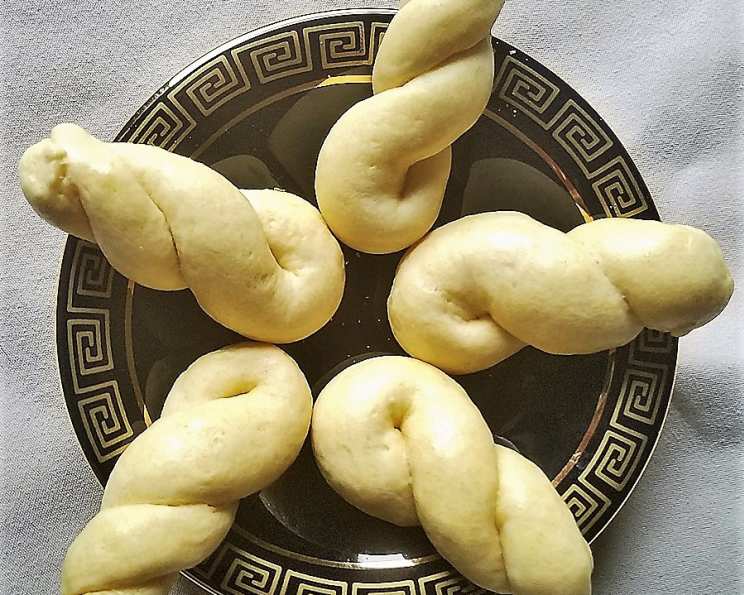
Koulourakia: Golden Braids of Easter Joy
As a chef, certain aromas transport me back through time, instantly conjuring memories of kitchens brimming with love and tradition. For me, few scents are as evocative as the sweet, buttery perfume of Koulourakia baking in the oven, a staple of Greek Easter celebrations. I recall my Yiayia’s tiny kitchen, a haven of warmth and flour dust, where the air would thicken with the promise of these golden, braided cookies every spring. The rhythmic sound of her hands shaping the dough, the gentle hum of conversation, and the anticipation of that first crisp bite – these are the sensory threads woven into the fabric of my culinary identity, forever linked to the joyous occasion of Easter.
Recipe Overview
- Prep Time: 30 minutes
- Cook Time: 10-12 minutes per batch
- Total Time: Approximately 1 hour 30 minutes (including chilling time if needed)
- Yields: 4 Dozen
- Servings: 48
- Dietary Type: Vegetarian
Ingredients
This recipe relies on simple, wholesome ingredients to create those signature crumbly, sweet, and slightly crisp cookies that are a hallmark of Greek Easter tables.
- 3/4 pound butter, softened
- 1 cup sugar
- 3 eggs, separated
- 1 teaspoon vanilla extract
- 1/8 cup milk
- 1/2 cup orange juice
- 1/2 teaspoon baking soda
- 2 teaspoons baking powder
- 4 cups all-purpose flour (you may need a little more, see instructions)
- 1 egg, beaten with 2 tablespoons water (for egg wash)
- 1/4 cup sesame seeds (optional, for sprinkling)
Equipment Needed
You won’t need a lot of fancy gadgets for Koulourakia; the magic happens with a few basic kitchen tools.
- Large mixing bowls
- Electric mixer (handheld or stand mixer)
- Sifter
- Measuring cups and spoons
- Baking sheets
- Parchment paper (optional, for easier cleanup)
- Pastry brush
- Wire cooling racks
Instructions
Crafting Koulourakia is a tactile and rewarding process, a ritual that connects you to generations of Greek home bakers.
-
Preheat the Oven: Begin by preheating your oven to 350 degrees Fahrenheit (175 degrees Celsius). This ensures the oven is at the optimal temperature for perfectly golden cookies. Prepare your baking sheets by lining them with parchment paper, if desired, or leave them ungreased as per the traditional method.
-
Cream the Base: In a large mixing bowl, cream together the softened butter, sugar, and vanilla extract until the mixture is light and fluffy. This initial creaming step is crucial for developing a tender cookie.
-
Incorporate Eggs and Liquids: Add 2 of the eggs to the creamed butter mixture and blend well until fully incorporated. Next, add the milk and orange juice. Beat this mixture on high speed for about 3 to 4 minutes. This longer beating time helps to emulsify the liquids and butter, creating a smoother dough.
-
Combine Dry Ingredients: In a separate medium bowl, sift together the all-purpose flour, baking powder, and baking soda. Sifting aerates the flour and ensures the leavening agents are evenly distributed, preventing any pockets of baking soda or powder in your cookies.
-
Form the Dough: Gradually add the sifted dry ingredients to the butter and liquid mixture. Beat on low speed until a soft dough begins to form. Continue to beat until well combined. The dough should be soft but no longer sticky. If it feels too sticky to handle, you can add a little more flour, about a tablespoon at a time, until it reaches the desired consistency. Be careful not to add too much flour, as this can result in tough cookies.
-
Shape the Koulourakia: Pinch off small pieces of dough, about 1-inch balls. On a lightly floured surface, roll each ball into a rope about 6 inches long. Traditionally, these ropes are then braided by taking the two ends and bringing them together, or a simple knot can be formed. Place the shaped cookies about 1 inch apart on the prepared baking sheets.
-
Prepare the Egg Wash: In a small bowl, whisk together the remaining egg with the 2 tablespoons of water. This egg wash will give your Koulourakia a beautiful, glossy sheen and a golden-brown hue as they bake.
-
Apply Egg Wash and Optional Topping: Using a pastry brush, gently brush each cookie with the egg wash. If you are using sesame seeds, sprinkle them over the top of the brushed cookies at this stage.
-
Bake to Golden Perfection: Bake the Koulourakia in the preheated oven at 350 degrees Fahrenheit (175 degrees Celsius) for 10 to 12 minutes, or until they are lightly browned around the edges and on top. Keep a close eye on them, as they can go from golden to overbaked quickly due to their small size and buttery nature.
-
Cool and Enjoy: Once baked, carefully remove the baking sheets from the oven. Allow the Koulourakia to cool on the baking sheets for a minute or two before transferring them to a wire cooling rack to cool completely. This prevents them from becoming soggy on the bottom.
Expert Tips & Tricks
- Butter Temperature is Key: Ensure your butter is truly softened, not melted. This allows it to cream properly with the sugar, creating the airy texture essential for tender cookies.
- Don’t Overwork the Dough: Once the flour is added, mix only until just combined. Overmixing can develop the gluten in the flour, leading to tougher Koulourakia.
- Consistent Shaping: Aim for uniform size and thickness when shaping your dough ropes. This ensures that all your Koulourakia bake evenly.
- Baking Sheet Placement: For even baking, rotate your baking sheets halfway through the baking time if your oven has hot spots.
- Testing for Doneness: A light golden-brown color is your cue. They should feel firm to the touch and slightly crisp.
- Storage Savvy: These cookies are excellent for make-ahead baking. Once completely cooled, they can be stored in airtight containers.
Serving & Storage Suggestions
Koulourakia are a versatile treat, perfect for any occasion but especially cherished during Easter. They are wonderful served alongside a strong Greek coffee, a cup of tea, or even a glass of milk. For a truly authentic experience, present them on a beautiful platter as part of your Easter dessert spread.
Once completely cooled, store your Koulourakia in an airtight container at room temperature. They will stay fresh and delicious for up to two weeks. For longer storage, Koulourakia freeze exceptionally well. Place them in freezer bags or airtight containers, ensuring they are well-wrapped to prevent freezer burn. They can be kept in the freezer for up to 3 months. To enjoy frozen cookies, simply bring them to room temperature before serving. Reheating is generally not necessary, as their delicate texture is best enjoyed at ambient temperature.
Nutritional Information
(Please note: Nutritional information is an estimate and can vary based on specific ingredients and portion sizes used.)
| Nutrient | Amount per Serving | % Daily Value |
|---|---|---|
| Calories | 111.3 kcal | |
| Calories from Fat | ||
| Total Fat | 6.2 g | 9% |
| Saturated Fat | 3.8 g | 18% |
| Cholesterol | 27 mg | 8% |
| Sodium | 83.9 mg | 3% |
| Total Carbohydrate | 12.5 g | 4% |
| Dietary Fiber | 0.3 g | 1% |
| Sugars | 4.4 g | 17% |
| Protein | 1.6 g | 3% |
Variations & Substitutions
While the classic recipe is divine, you can certainly put your own spin on Koulourakia:
- Citrus Zest: For an extra burst of flavor, add the zest of one orange or lemon to the butter and sugar mixture.
- Spices: A pinch of cinnamon or a touch of mahlepi (a spice made from the ground pits of wild cherries, common in Greek baking) can add a delightful warmth.
- Gluten-Free: Experiment with a high-quality gluten-free all-purpose flour blend. You might need to adjust the liquid slightly, as gluten-free flours can absorb moisture differently.
- Vegan Adaptation: To make these vegan, substitute the butter with a good quality vegan butter alternative and replace the eggs with flax eggs (1 tablespoon flaxseed meal mixed with 3 tablespoons water, let sit for 5 minutes) or commercial egg replacer. Ensure your milk is a plant-based variety.
FAQs
Q: Why are my Koulourakia tough?
A: This is likely due to overmixing the dough after adding the flour, which develops the gluten too much. Mix until just combined.
Q: Can I skip the orange juice?
A: The orange juice adds a subtle citrus note and helps with the texture. You can substitute with milk or even a little more milk, but the flavor profile will change.
Q: How do I get my Koulourakia to be more crisp?
A: Ensure you bake them until they are a nice golden brown, and allow them to cool completely on a wire rack. Thinner ropes will also bake to a crisper texture.
Q: My dough is too sticky to shape, what should I do?
A: Add flour, one tablespoon at a time, until the dough is soft and no longer sticks to your hands or the bowl. Be careful not to add too much.
Q: Can I make these ahead for a party?
A: Absolutely! Koulourakia are perfect for making ahead and store beautifully for up to two weeks at room temperature or can be frozen for longer.
Final Thoughts
Koulourakia are more than just cookies; they are a taste of home, a symbol of family gatherings, and a sweet embrace of tradition. They embody the spirit of Greek hospitality, meant to be shared with loved ones during moments of joy and celebration. I encourage you to roll up your sleeves, embrace the process, and bring a batch of these golden braids into your kitchen. The aroma alone will fill your home with warmth, and the delightful taste will surely become a cherished part of your own culinary memories. Enjoy them with a strong Greek coffee or a simple glass of milk, and savor the simple pleasure of a cookie baked with love.