
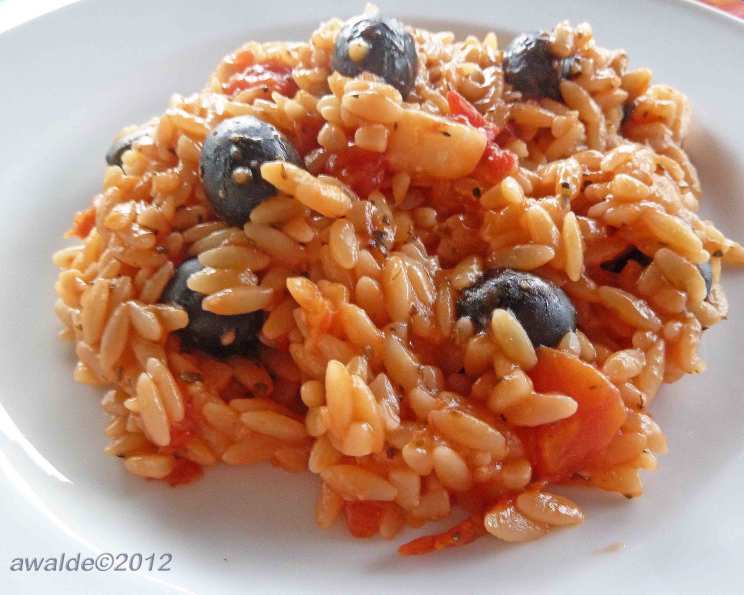
Kritharaki Kalives: A Taste of Simplicity and Sunshine
There’s a certain magic to Greek food, a way it can transport you to sun-drenched islands and bustling village squares with just a few simple ingredients. I remember one summer, years ago, vacationing in a tiny apartment in Greece. Our kitchen was laughably basic – a single pot was our primary vessel for all culinary endeavors. This limitation, however, sparked a creative spark. I recall looking at the bag of kritharaki pasta, its rice-like grains begging to be transformed, and the fresh tomatoes on the counter. I wanted to create something hearty, something that felt like a complete meal in one pot, and that’s how the concept of this Kritharaki Kalives truly began to bloom. It’s a dish born of necessity, but one that has since become a cherished memory and a reliable favorite.
Recipe Overview
- Prep Time: 10 minutes
- Cook Time: 30 minutes
- Total Time: 40 minutes
- Servings: 4-6
- Yield: 1 large pot of deliciousness
- Dietary Type: Vegetarian (Can be made vegan by omitting cheese or using a vegan alternative)
Ingredients
This dish celebrates the beauty of minimal ingredients, allowing each one to shine.
- 500 ml water
- 250 ml Greek local wine (or some dry rosé wine)
- 500 g tomatoes, in cubes (fresh or canned, diced)
- 1 teaspoon salt
- ¼ teaspoon pepper
- 1 tablespoon oregano (dried)
- 4 tablespoons ouzo
- 3 tablespoons olive oil
- 200 g black olives, pitted (roughly chopped if desired)
- 500 g pasta, kritharaki kind (or any small-sized pasta like orzo or ditalini)
- 150 g kefalotiri cheese, in small cubes (or Parmigiano Reggiano, or a firm, salty Greek cheese like graviera)
Equipment Needed
- A large, heavy-bottomed pot or Dutch oven
- A stirring spoon or spatula
- Measuring cups and spoons
- Sharp knife and cutting board (for olives if not pre-chopped)
Instructions
The beauty of Kritharaki Kalives lies in its one-pot wonder approach. It’s designed for simplicity and maximum flavor extraction.
- Begin by heating the water and the Greek local wine in your large pot over medium-high heat.
- Add the cubed tomatoes to the pot.
- Season the liquid with salt, pepper, and oregano.
- Pour in the ouzo and drizzle in the olive oil.
- Stir in the pitted black olives.
- Bring the mixture to a rolling boil.
- Once boiling, carefully add the kritharaki pasta to the pot. Stir gently to ensure the pasta doesn’t stick together.
- Reduce the heat to a simmer, cover the pot partially (allowing some steam to escape), and continue to cook until the kritharaki is soft and has absorbed most of the liquid. This typically takes about 15-20 minutes, but check your pasta package for specific cooking times.
- If, at any point during the cooking process, the pasta seems too dry and is not yet tender, add some more water (a quarter cup at a time) and a little bit more wine if you have it, continuing to simmer until the pasta reaches your desired tenderness.
- Just before serving, remove the pot from the heat. Add the cubes of kefalotiri cheese and gently stir them into the hot kritharaki.
- Serve immediately, allowing the residual heat to slightly melt the cheese cubes, creating pockets of creamy, salty goodness throughout the dish.
Expert Tips & Tricks
- The Wine Choice Matters: While a Greek local wine is traditional, a dry rosé offers a delightful fruity note that complements the tomatoes and olives beautifully. If you don’t drink alcohol, you can substitute with an equal amount of vegetable broth, though it will alter the flavor profile slightly.
- Ouzo’s Kiss: The ouzo might seem unusual, but it adds a subtle anise-like complexity that is quintessentially Greek. Don’t be tempted to overdo it; a little goes a long way in enhancing, not overpowering.
- Olive Variety: Kalamata olives are a fantastic choice for their robust flavor, but any good quality pitted black olive will work.
- Cheese Strategy: For that “semi-fused” cheese experience, don’t stir the cheese in too vigorously. Allow the residual heat to do its work. If you prefer a more fully melted cheese sauce, stir it in a bit more thoroughly just before serving.
- Pasta Doneness: Kritharaki should be tender but still have a slight bite (al dente). Taste a few grains as it cooks to get it just right. Overcooked kritharaki can become mushy.
- Adjusting Liquid: The amount of liquid needed can vary depending on the pasta you use and the heat of your stove. It’s always better to start with the recommended amount and add more if needed.
Serving & Storage Suggestions
Kritharaki Kalives is best served hot, straight from the pot, allowing the cheese to be at its melting peak. A drizzle of good quality extra virgin olive oil just before serving can add an extra layer of richness and aroma. This dish is incredibly satisfying on its own, but it also pairs wonderfully with a crisp Greek salad, a side of crusty bread for soaking up any extra sauce, or a glass of chilled white wine.
Leftovers can be stored in an airtight container in the refrigerator for up to 2–3 days. When reheating, you might need to add a splash of water or broth to loosen the pasta and prevent it from drying out. Gently reheat on the stovetop over low heat or in the microwave. The cheese may not melt quite as spectacularly after refrigeration, but the flavors will still be delicious.
Nutritional Information
| Nutrient | Amount per Serving (approx.) | % Daily Value (approx.) |
|---|---|---|
| Calories | 686 kcal | – |
| Calories from Fat | 158 g | – |
| Total Fat | 17.6 g | 27% |
| Saturated Fat | 2.5 g | 12% |
| Cholesterol | 0 mg | 0% |
| Sodium | 969.8 mg | 40% |
| Total Carbohydrate | 103.3 g | 34% |
| Dietary Fiber | 7.2 g | 28% |
| Sugars | 7.1 g | 28% |
| Protein | 17.9 g | 35% |
(Nutritional information is an estimate and can vary based on specific ingredients and portion sizes.)
Variations & Substitutions
- For a Meatier Twist: While traditionally vegetarian, you could brown some crumbled lamb or pork sausage before adding the liquids for a heartier, meat-lover’s version.
- Vegetable Boost: Feel free to add other quick-cooking vegetables like chopped bell peppers, zucchini, or spinach towards the end of the cooking time for added nutrients and color.
- Spicy Kick: If you enjoy a bit of heat, add a pinch of red pepper flakes along with the salt and pepper.
- Vegan Option: To make this dish vegan, simply omit the kefalotiri cheese. You could also stir in some nutritional yeast at the end for a cheesy flavor, or a dollop of vegan feta cheese if you can find it.
FAQs
Q: What is kritharaki pasta?
A: Kritharaki, also known as orzo or risoni, is a small, rice-shaped pasta that is versatile and cooks relatively quickly, making it perfect for one-pot dishes.
Q: Can I use a different type of pasta?
A: Yes, while kritharaki is ideal, other small pasta shapes like ditalini, elbow macaroni, or even fregola sarda would work well in this recipe. Just adjust cooking times accordingly.
Q: Is it essential to use wine in this recipe?
A: Wine adds a depth of flavor and a slight acidity that complements the other ingredients. However, if you prefer not to use wine, vegetable broth or water can be used as a substitute.
Q: How can I ensure the pasta doesn’t stick together?
A: Stirring the pasta immediately after adding it to the boiling liquid, and then stirring occasionally during cooking, will help prevent it from clumping.
Q: Can I make this dish ahead of time?
A: While it’s best enjoyed fresh, you can prepare the base sauce and cook the pasta. Store them separately and combine and reheat with the cheese just before serving for the best texture.
Final Thoughts
Kritharaki Kalives is more than just a recipe; it’s a testament to the joy of simple, honest cooking. It’s the kind of dish that warms your soul, fills your belly, and evokes the feeling of home, wherever that may be. I encourage you to embrace its rustic charm, to gather your ingredients, and to let the aromas fill your kitchen. Share it with loved ones, savor each comforting bite, and perhaps, like me, create your own cherished memories around this delightful one-pot wonder.