
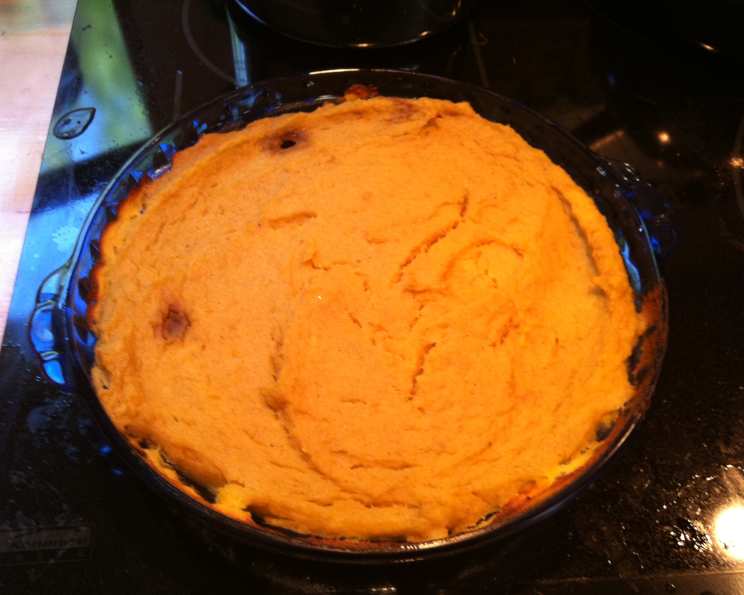
A Taste of Aloha: Embracing the Sweet Comfort of Kumara Pie
My earliest memories of kumara pie are steeped in the warm, humid air of a Polynesian summer, the scent of frangipani blossoms mingling with the sweet, earthy aroma wafting from my grandmother’s kitchen. She’d painstakingly peel the vibrant orange tubers, their skins slightly rough and holding the promise of sunshine within. This wasn’t just baking; it was an act of love, a delicious legacy passed down through generations, culminating in a dessert that felt like a warm hug on a plate. The vibrant hue of the kumara filling, the tender crust, and the delicate sweetness were the hallmarks of a simpler, more joyous time, and every bite still transports me back to those cherished moments.
Recipe Overview
Here’s a snapshot of what you’ll need to create this delightful dessert:
- Prep Time: 25 minutes
- Cook Time: 30-40 minutes
- Total Time: 55-65 minutes
- Servings: 8
- Yield: 1 pie
- Dietary Type: Vegetarian (can be made dairy-free by using a dairy-free butter substitute)
Ingredients
To craft this beautiful kumara pie, gather the following:
For the Filling:
- 3 lbs kumara (also known as sweet potato), peeled
- 2 beaten eggs
- 3 ½ tablespoons butter, softened
- 2 teaspoons brown sugar
- ¼ teaspoon cinnamon
- 1 dash nutmeg
- Pineapple juice (amount not specified, sufficient to achieve desired consistency)
For Decoration (Optional):
- Pineapple rings
- A sprinkle of brown sugar
- A dash of cinnamon
Equipment Needed
You’ll need a few essential tools to bring this recipe to life:
- A large pot for boiling the kumara
- A masher or a sturdy fork
- A mixing bowl
- Measuring spoons and cups
- A greased oven dish or a pie dish
- An oven
- A cooling rack
Instructions
Follow these steps to create your own delicious kumara pie:
- Begin by preheating your oven to 350°F (175°C). This ensures your oven is at the optimal temperature when your pie is ready to bake.
- Next, boil the kumara in a large pot until it is tender. You can test for tenderness by piercing the kumara with a fork; it should slide in easily.
- Once tender, drain the excess water from the kumara thoroughly. It’s important to remove as much moisture as possible to achieve the right texture for the filling.
- In a mixing bowl, mash the boiled kumara until it is smooth.
- Add the softened butter to the mashed kumara and mix until well combined.
- Incorporate the two beaten eggs into the kumara mixture and stir until everything is thoroughly blended.
- Pour in enough pineapple juice to reach your desired consistency for the pie filling. This juice adds a subtle sweetness and helps to bind the ingredients.
- Gently stir in 2 teaspoons of brown sugar, ¼ teaspoon of cinnamon, and a dash of nutmeg. These spices will enhance the natural sweetness of the kumara.
- Carefully place the kumara mixture into a greased oven dish or pie dish. Ensure the filling is spread evenly.
- For a decorative touch, you can arrange pineapple rings on top of the filling.
- Lightly sprinkle the top of the pie with a little more brown sugar and a dash of cinnamon if you desire a slightly caramelized crust.
- Bake for 30-40 minutes, or until the pie is golden brown on top and the filling is set. The exact baking time may vary depending on your oven.
Expert Tips & Tricks
- Kumara Selection: For the best results, choose kumara that are firm and free from blemishes. Different varieties of kumara can have slightly different sweetness levels and textures, so feel free to experiment with what’s available locally.
- Achieving Smoothness: If you prefer a perfectly smooth filling, you can pass the mashed kumara through a sieve or use an immersion blender before adding the other ingredients.
- Moisture Control: Ensure your kumara are well-drained after boiling. Excess water can lead to a watery pie filling.
- Pineapple Juice Consistency: The amount of pineapple juice can be adjusted to your preference. Start with a smaller amount and add more until you achieve a thick, but pourable, consistency for the filling.
- Oven Variations: Ovens can be notoriously inconsistent. It’s always a good idea to keep an eye on your pie during the last 10 minutes of baking, especially if you’re unfamiliar with your oven’s performance.
Serving & Storage Suggestions
This kumara pie is absolutely delightful served warm. It pairs wonderfully with a scoop of vanilla ice cream or a dollop of freshly whipped cream, which beautifully complements the sweet, earthy flavors of the kumara.
For storage, allow the pie to cool completely at room temperature before covering it tightly with plastic wrap or aluminum foil. It can be stored in the refrigerator for 3-4 days. Reheat individual slices gently in a microwave or a low-temperature oven until warmed through. If you wish to freeze the pie, wrap it well in plastic wrap and then in aluminum foil. It will keep in the freezer for up to 2-3 months. Thaw overnight in the refrigerator before reheating.
Nutritional Information
(Please note: This nutritional information is an estimate and can vary based on exact ingredients and portion sizes.)
| Nutrient | Amount per Serving | % Daily Value |
|---|---|---|
| Calories | 210 kcal | 11% |
| Total Fat | 6.3 g | 8% |
| Saturated Fat | 3.6 g | 18% |
| Cholesterol | 59.9 mg | 20% |
| Sodium | 154 mg | 7% |
| Total Carbohydrate | 34.8 g | 13% |
| Dietary Fiber | 5 g | 18% |
| Total Sugars | 8.1 g | 16% |
| Protein | 4.2 g | 8% |
Variations & Substitutions
While this recipe is wonderfully classic, there are always ways to put your own spin on it:
- Dairy-Free Delight: For a dairy-free version, substitute the butter with a good quality dairy-free butter alternative.
- Spice It Up: Feel free to add a pinch of ground ginger or a whisper of allspice to the filling for a more complex spice profile.
- Nutty Crunch: If you enjoy a bit of texture, a handful of finely chopped toasted pecans or walnuts can be stirred into the filling before baking, or sprinkled on top.
- Citrus Zest: A touch of orange or lemon zest added to the filling can brighten the flavors and add a refreshing counterpoint to the sweetness.
FAQs
Q: What is kumara, and why is it used in this pie?
A: Kumara is the Māori word for sweet potato. It’s a staple root vegetable in many Polynesian cultures, prized for its natural sweetness and smooth, creamy texture when cooked, making it an excellent base for desserts like this pie.
Q: Can I use canned sweet potato puree instead of fresh kumara?
A: While it’s possible, fresh kumara will generally yield a superior flavor and texture. If using canned puree, ensure it’s unsweetened and drain any excess liquid. You may need to adjust the pineapple juice slightly.
Q: My pie filling seems a bit watery. What did I do wrong?
A: This is often due to insufficient draining of the boiled kumara. Make sure to let the kumara drain thoroughly after boiling to remove excess moisture before mashing.
Q: How can I tell if the pie is fully baked?
A: The pie is ready when the edges of the filling are set and the top is a beautiful golden brown. A gentle nudge to the center should show minimal wobble.
Q: Can I make this pie ahead of time?
A: Yes, the pie can be baked a day in advance and stored in the refrigerator. Reheat gently before serving to enjoy it warm.
Final Thoughts
This kumara pie is more than just a dessert; it’s an invitation to slow down, savor the simple pleasures, and connect with the comforting traditions that food can represent. It’s a dish that evokes sunshine, warmth, and the joy of sharing something truly delicious with loved ones. I encourage you to bake this pie, to experience its unique charm, and perhaps, to create your own cherished memories around its sweet, satisfying embrace. It’s a taste of paradise, right in your own kitchen.