
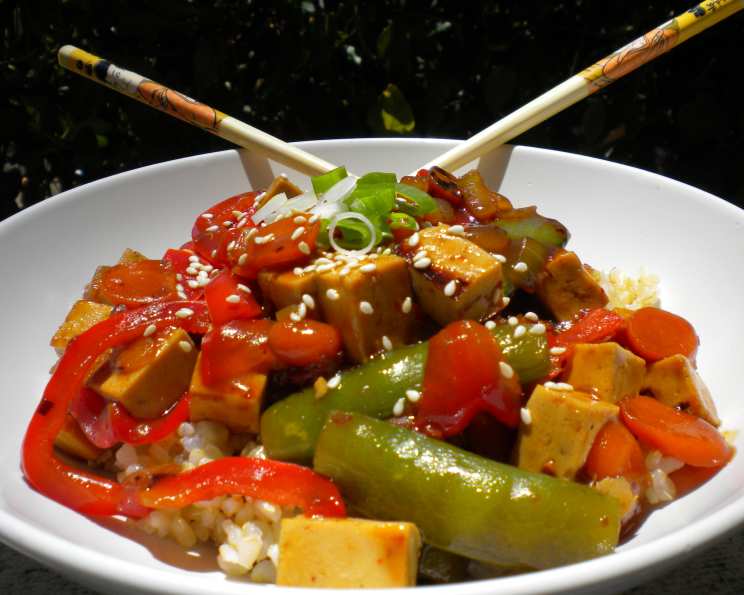
Kumquat’s Spicy Oriental Stir-Fry: A Symphony of Zest and Spice
There are some dishes that are more than just a collection of ingredients; they’re culinary memories. For me, Kumquat’s Spicy Oriental Stir-Fry falls squarely into that category. I remember the first time I truly mastered this dish, the vibrant kumquats glistening under the heat, their citrusy tang cutting through the savory depth of the sauce. It was a revelation, a perfect balance of sweet, sour, spicy, and umami that danced on the palate. This recipe, a testament to thoughtful refinement and a bit of kitchen experimentation, quickly became a treasured favorite, a go-to for weeknight dinners that felt both healthful and excitingly exotic.
Recipe Overview
- Prep Time: 20 minutes
- Cook Time: 15 minutes
- Total Time: 35 minutes
- Servings: 4
- Yield: Approximately 4 servings
- Dietary Type: Adaptable (Vegetarian/Vegan when using meat substitutes; can be made Gluten-Free by using tamari)
Ingredients
For the Sauce:
This sauce is the heart of the dish, offering a complex flavor profile that avoids the cloying sweetness often found in restaurant versions.
- 3 tablespoons soy sauce (or tamari for gluten-free)
- 3 tablespoons sherry wine (dry sherry is ideal)
- 2 tablespoons hoisin sauce (Lee Kum Kee brand is highly recommended for its authentic flavor)
- 1 tablespoon chile sauce with garlic (like Sambal Oelek or a similar chili-garlic sauce)
- 1 teaspoon arrowroot (or 2 ½ teaspoons cornstarch as a substitute)
- ¾ cup vegetable broth
For the Stir-Fry:
A colorful medley of fresh vegetables provides texture and vital nutrients.
- 1 teaspoon vegetable oil
- 1 teaspoon sesame oil
- 1 cup carrot, peeled and sliced diagonally (approximately 2 medium carrots)
- 1 cup sugar snap pea, trimmed
- 1 small red bell pepper, cut into small strips
- 1 small onion, chopped
- 8 ounces cooked beef or 8 ounces cooked chicken, cut into strips (For a vegetarian/vegan option, use 8 ounces of cooked, firm tofu, seitan, or other plant-based protein substitute, cut into bite-sized pieces.)
- 3-4 scallions, sliced diagonally for garnish
For the Rice:
A simple yet perfectly cooked bed of rice to soak up all the delicious sauce.
- 1 cup rice (long-grain white rice, basmati, or jasmine rice work well)
- 1 cup vegetable broth
- 1 cup water
Equipment Needed
- Small bowl (for mixing the sauce)
- Whisk
- Medium wok or large skillet
- Measuring cups and spoons
- Cutting board
- Sharp knife
- Medium saucepan with a lid (for cooking rice)
Instructions
The beauty of a stir-fry lies in its speed and the vibrant interplay of textures and flavors. This recipe is designed to come together quickly, so have all your ingredients prepped and ready before you begin cooking.
-
Prepare the Rice: In a medium saucepan, combine the rice, vegetable broth, and water. Bring the mixture to a rolling boil over medium-high heat. Once boiling, reduce the heat to low, cover the saucepan tightly with a lid, and simmer for 20 minutes. Alternatively, follow the package instructions for your specific type of rice, omitting any added salt or butter. Once cooked, remove from heat and let stand, covered, for 5 minutes before fluffing with a fork.
-
Whisk Together the Sauce: While the rice is simmering, prepare the sauce. In a small bowl, whisk together the soy sauce, sherry wine, hoisin sauce, chile sauce with garlic, arrowroot (or cornstarch), and vegetable broth until well combined and the arrowroot or cornstarch is fully dissolved. Set aside.
-
Stir-Fry the Vegetables and Protein: Heat the vegetable oil and sesame oil in a medium wok or large skillet over medium-high heat. Once the oil is shimmering, add the carrots. Stir-fry for 1-2 minutes until they begin to soften. Next, add the sugar snap peas and stir-fry for another 1-2 minutes. Then, add the red bell pepper and onion simultaneously. Stir-fry for 1-2 minutes until the vegetables are crisp-tender. Finally, add your cooked beef, cooked chicken, or meat substitute to the wok and stir-fry for an additional 1-2 minutes, just to heat it through and allow it to mingle with the vegetables.
-
Combine and Simmer: Pour the prepared sauce over the vegetable and protein mixture in the wok. Increase the heat to boiling while stirring constantly. Once the sauce begins to boil, reduce the heat to low and simmer for 1-2 minutes, or until the sauce has thickened slightly and coats the ingredients beautifully, and the vegetables are perfectly crisp-tender. Avoid overcooking at this stage, as you want the vegetables to retain a pleasant bite.
-
Serve: To serve, spoon the hot, fluffy rice into individual bowls. Spoon the Kumquat’s Spicy Oriental Stir-Fry generously over the rice. Sprinkle the sliced scallions over the top for a fresh, aromatic finish and an extra pop of color.
Expert Tips & Tricks
- Mise en Place is Key: For any stir-fry, having all your ingredients prepped and within easy reach is crucial. Chop all your vegetables, measure your sauces, and have your protein ready before you even turn on the stove. This prevents overcooking and ensures a seamless cooking process.
- Wok Heat: A good wok and proper heat control are essential for achieving that signature stir-fry texture. Ensure your wok is sufficiently hot before adding the oils and ingredients. The high heat sears the ingredients quickly, locking in moisture and flavor. If you don’t have a wok, a large, heavy-bottomed skillet will suffice, but you may need to cook in batches to avoid crowding the pan.
- Vegetable Timing: The order in which you add vegetables matters. Harder vegetables like carrots should go in first, followed by quicker-cooking ones like snap peas and peppers. Onions can often be added with the peppers as they cook at a similar rate.
- Arrowroot vs. Cornstarch: Arrowroot tends to produce a clearer, glossier sauce, while cornstarch can sometimes result in a slightly more opaque finish. Both work effectively as thickeners. If using cornstarch, ensure it’s fully dissolved in the liquid to prevent lumps.
- Protein Prep: If using meat substitutes like tofu or seitan, ensure they are cooked or heated through before adding to the stir-fry. For tofu, pressing it beforehand can improve its texture.
Serving & Storage Suggestions
This stir-fry is best enjoyed immediately after preparation to appreciate the crisp-tender vegetables and the vibrant, freshly cooked flavors. Serve it piping hot over a bed of perfectly steamed rice.
Leftovers can be stored in an airtight container in the refrigerator for up to 2 days. The flavors often meld and deepen overnight, making for a delicious lunch. To reheat, gently warm the stir-fry and rice in a skillet over medium-low heat, adding a splash of water or broth if needed to loosen the sauce. Alternatively, microwave until heated through. The texture of the vegetables may soften slightly upon reheating.
Nutritional Information
| Nutrient | Amount per Serving | % Daily Value |
|---|---|---|
| Calories | 349.6 kcal | |
| Calories from Fat | ||
| Total Fat | 5.4 g | 8% |
| Saturated Fat | 1 g | 4% |
| Cholesterol | 0.2 mg | 0% |
| Sodium | 920.8 mg | 38% |
| Total Carbohydrate | 55.1 g | 18% |
| Dietary Fiber | 4.4 g | 17% |
| Sugars | 7 g | 27% |
| Protein | 11.1 g | 22% |
Nutritional values are estimates and may vary based on specific ingredients and brands used.
Variations & Substitutions
- Spicier Kick: For those who enjoy an extra level of heat, consider adding a pinch of red pepper flakes along with the onions and peppers, or a dash of Sriracha to the sauce.
- Vegetable Medley: Feel free to customize the vegetables based on seasonality or preference. Broccoli florets, snow peas, mushrooms, bamboo shoots, or water chestnuts would all be excellent additions. Adjust cooking times accordingly.
- Citrus Zest: While the kumquats are a signature element, you can enhance the citrus note further by adding a teaspoon of fresh orange zest to the sauce for an extra layer of aroma and brightness.
- Nutty Crunch: For added texture, stir in a handful of toasted cashews or peanuts just before serving.
FAQs
Q: Can I make this dish ahead of time?
A: While the rice can be cooked and stored ahead, it’s best to prepare the stir-fry and sauce components just before serving to maintain the optimal texture of the vegetables. Leftovers can be stored and reheated.
Q: What kind of chile sauce with garlic should I use?
A: Sambal Oelek is a common and excellent choice, offering a clean chili-garlic flavor. Other similar chili-garlic sauces, often found in Asian markets, will also work well. Adjust the amount to your preferred spice level.
Q: My sauce didn’t thicken. What went wrong?
A: Ensure your arrowroot or cornstarch was fully dissolved in the liquid before adding it to the hot wok. Also, make sure the sauce reached a boil and simmered for at least a minute or two to allow the thickener to activate.
Q: Can I use fresh kumquats in this recipe?
A: This recipe is inspired by the idea of kumquats with its bright, zesty notes from the sauce. Fresh kumquats themselves aren’t a direct ingredient in the stir-fry or sauce as written, but their spirit of bright citrus is captured.
Q: Is this recipe truly authentic to a specific Asian cuisine?
A: This recipe is a personal creation, drawing inspiration from various Asian stir-fry techniques and flavor profiles. It’s designed to be a delicious and accessible dish that combines familiar elements with unique touches.
Final Thoughts
Kumquat’s Spicy Oriental Stir-Fry is more than just a meal; it’s an invitation to play with bold flavors and vibrant colors in your own kitchen. It’s a testament to the idea that healthy eating doesn’t mean sacrificing taste or excitement. Whether you’re a seasoned home cook or just starting your culinary adventure, I encourage you to try this recipe. Share your experiences, your favorite vegetable additions, or any spice level adjustments you make. I’m always eager to hear how this dish finds its way into your homes and hearts. Enjoy this delightful dance of zest and spice!